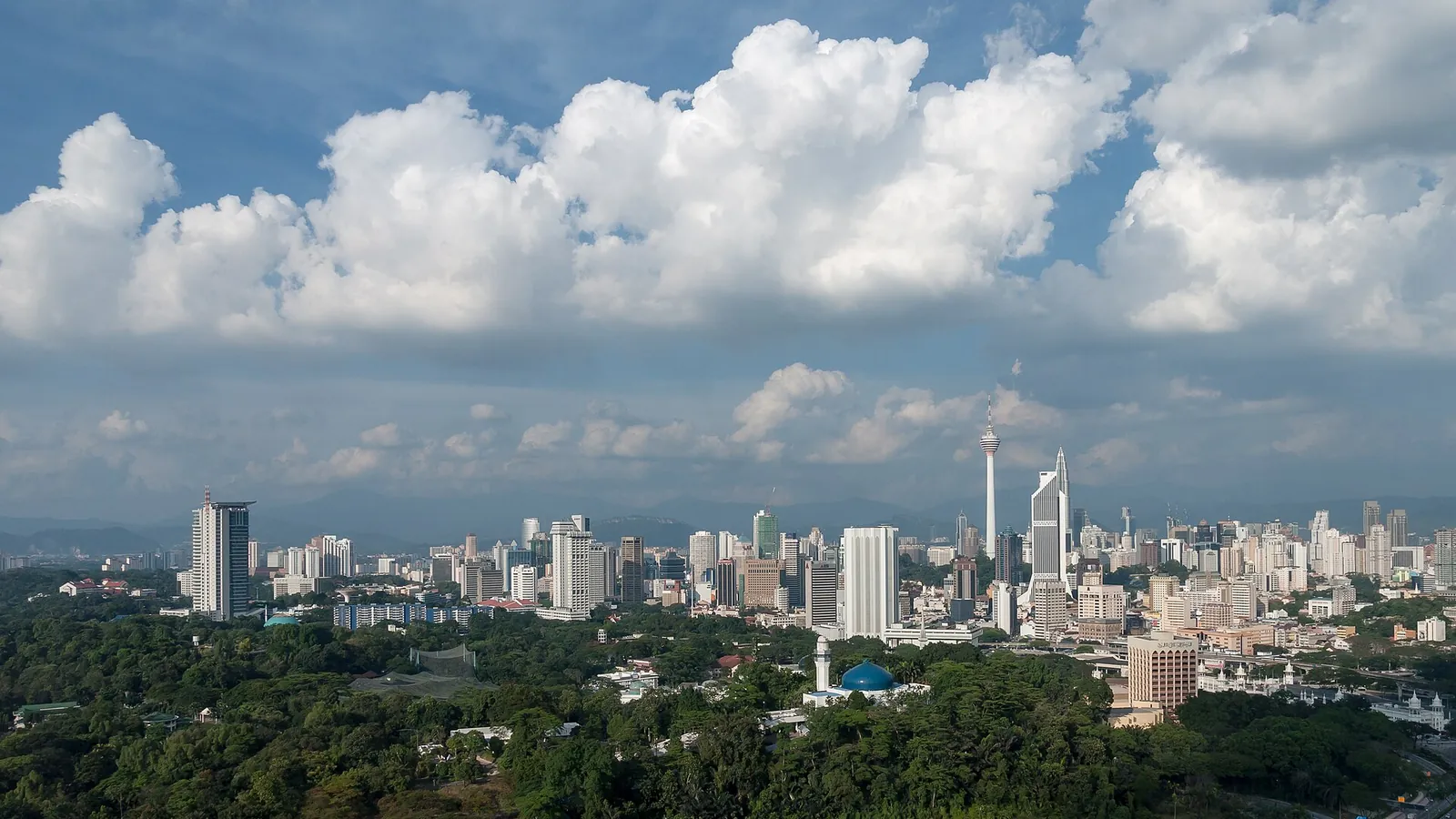
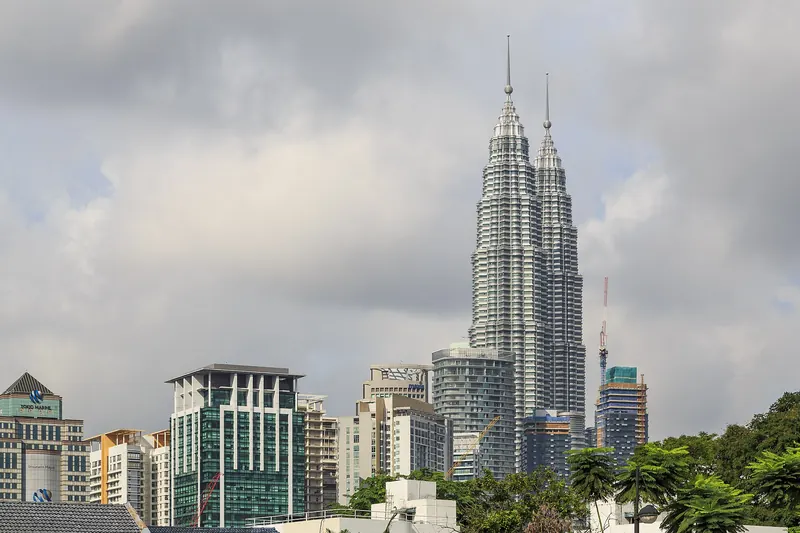

The Kuala Lumpur skyline with the Petronas Towers

Federal Territory of Kuala Lumpur · Malaysia

Kuala Lumpur

A modern Southeast Asian capital built around the Petronas Towers, with Chinatown, colonial buildings and hawker food all within a short ride.

  • Best time December to February for the driest weather
  • Stay 2-3 days
  • Good for City sightseeing, food, first stop in Malaysia

Photo: CEphoto, Uwe Aranas · CC BY-SA 3.0

Welcome to Kuala Lumpur

Kuala Lumpur is Malaysia's capital and largest city, a skyline of glass towers rising above older Chinese shophouses, colonial buildings and Hindu shrines.

Most visitors arrive expecting the Petronas Towers and leave remembering the food just as much, three distinct culinary traditions — Malay, Chinese and Indian — sitting side by side across the city's hawker stalls and night markets.

It works well both as a short stopover and as the natural starting point for a longer Peninsular Malaysia trip, with fast trains and buses reaching most of the country's other highlights from here.

  • City
  • Culture
  • Food
  • Modern

Why visit

Why visit Kuala Lumpur?

Kuala Lumpur's case rests on its skyline, its food and how easily both sit alongside genuine religious and colonial history.

  • The Petronas Towers are a modern icon

    Still among the world's tallest twin towers, dramatic both up close and from across KLCC Park.

  • Batu Caves sits just outside the city

    A striking limestone shrine reachable on a short train ride, with no need for an organised tour.

  • The food scene is world class

    Malay, Chinese and Indian cuisines each thrive independently rather than blending into one.

  • It's an easy, well-connected base

    Fast trains and domestic flights reach most of Peninsular Malaysia from here within a few hours.

  • Old and new sit close together

    Colonial-era Merdeka Square and Chinatown's shophouses are a short walk from the glass towers of KLCC.

Main attractions

Top things to see in Kuala Lumpur

Kuala Lumpur's essential sights range from the modern KLCC district to colonial Merdeka Square and the limestone hill at Batu Caves.

  1. The Petronas Towers in Kuala Lumpur

    The Petronas Towers

    The defining image of modern Kuala Lumpur, twin 88-storey towers linked by a skybridge on the 41st floor.

    Tip Book Skybridge and observation deck tickets online well ahead — daily slots are limited and sell out fast.

  2. The golden statue and steps at Batu Caves

    Batu Caves

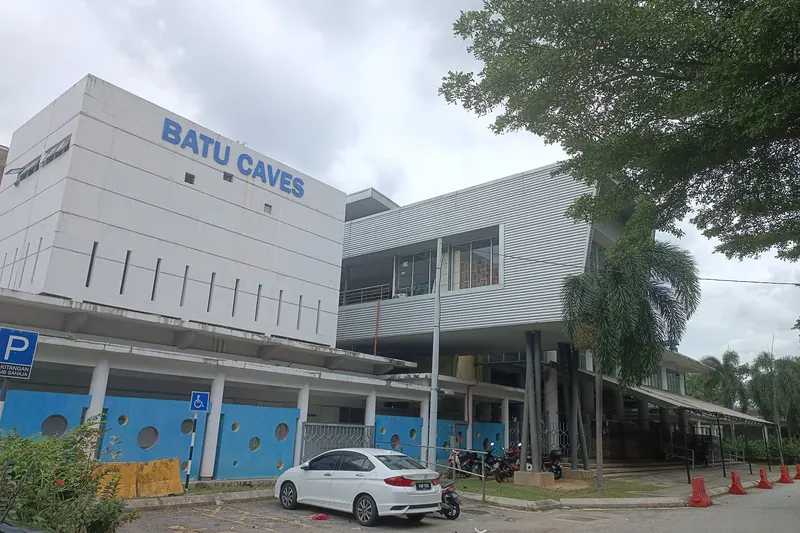
    A limestone hill turned Hindu shrine just north of the city, its cave temple reached by 272 rainbow-painted steps beneath a towering gold statue.

    Tip Take the KTM Komuter train directly from KL Sentral — no tour needed, and trains run frequently.

  3. Merdeka Square in Kuala Lumpur

    Merdeka Square

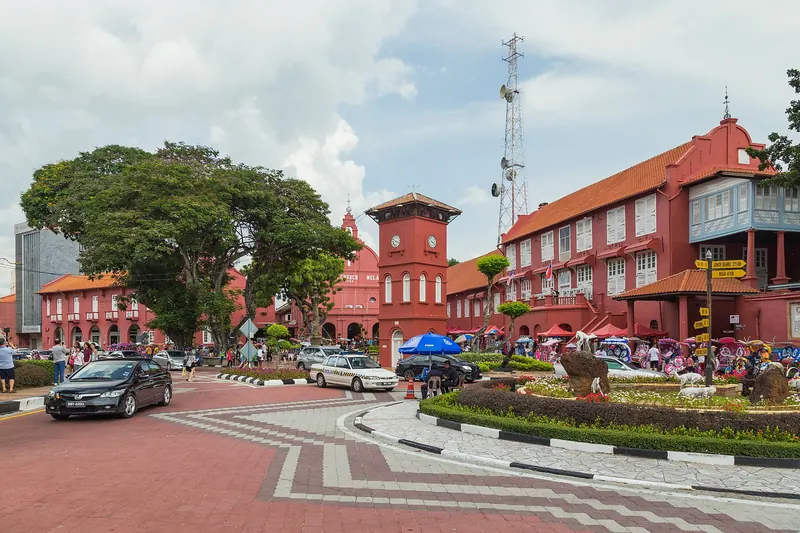
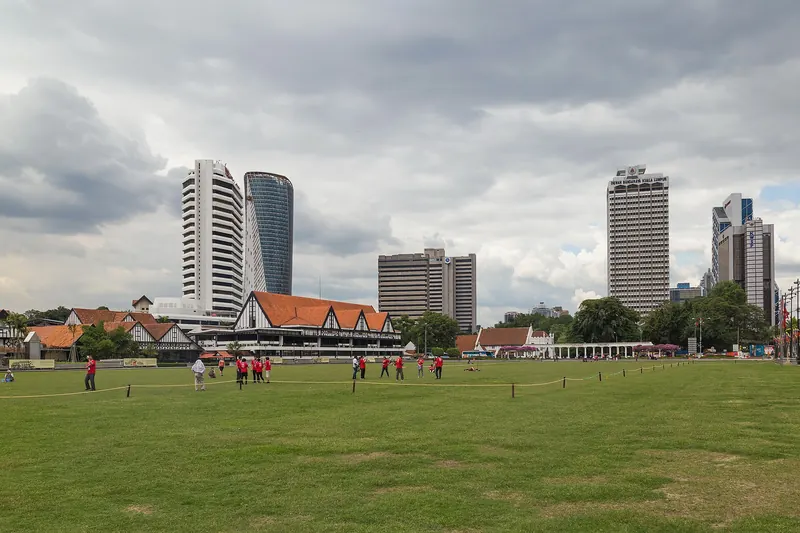
    The colonial-era square where Malaysian independence was declared in 1957, framed by Moorish-style government buildings.

    Tip Visit in the late afternoon when the heat has eased and the surrounding buildings catch good light.

  4. The fountains of KLCC Park beneath the Petronas Towers

    KLCC Park

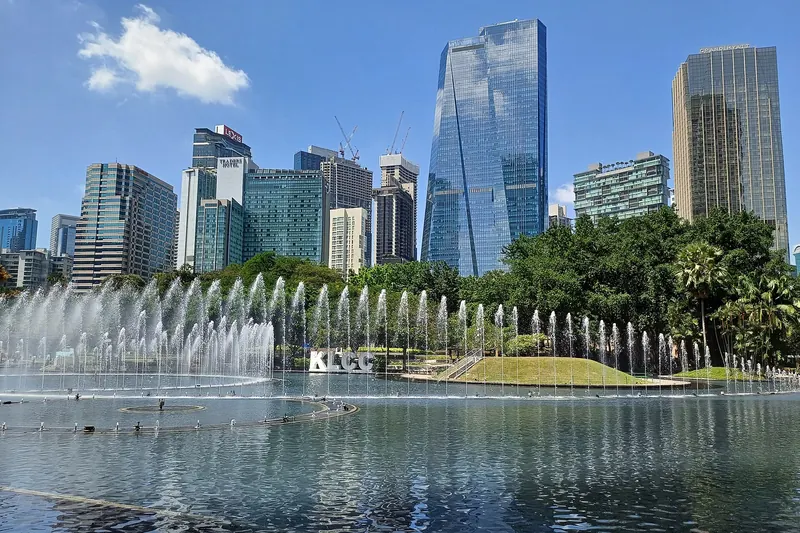
    A landscaped park directly beneath the Petronas Towers, its choreographed fountains a popular evening gathering spot.

    Tip Catch the evening fountain show, timed to run after dark most nights.

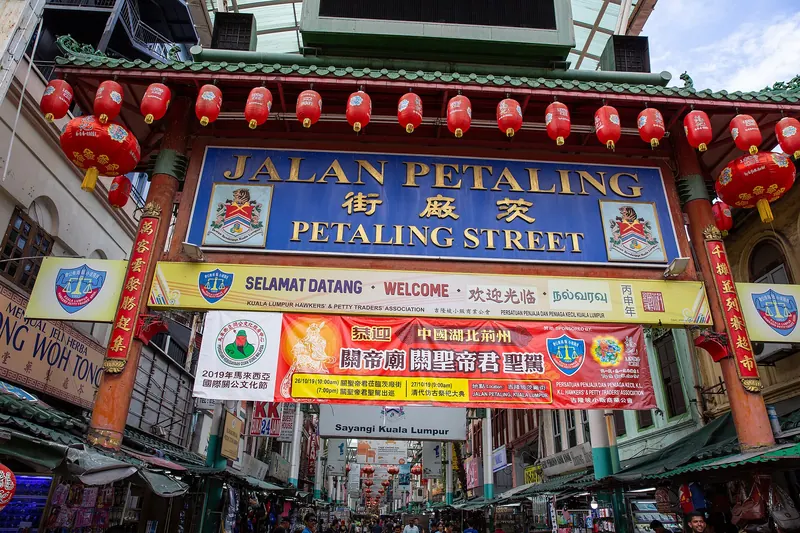
  5. Petaling Street in Kuala Lumpur's Chinatown

    Petaling Street (Chinatown)

    A covered street market at the heart of KL's Chinatown, busy with stalls, food vendors and clan houses.

    Tip Come hungry — the surrounding side streets hold some of the city's best hawker food.

  6. Thean Hou Temple in Kuala Lumpur

    Thean Hou Temple

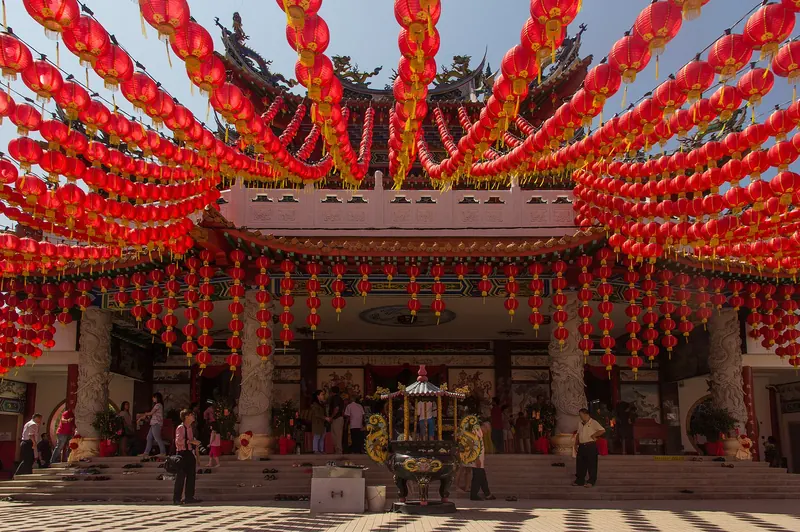
    One of Southeast Asia's largest Chinese temples, its multi-tiered roofline set on a hill with wide city views.

    Tip Visit around sunset for the best light over the skyline from the temple's terrace.

  7. The Sky Deck at KL Tower

    KL Tower (Menara KL)

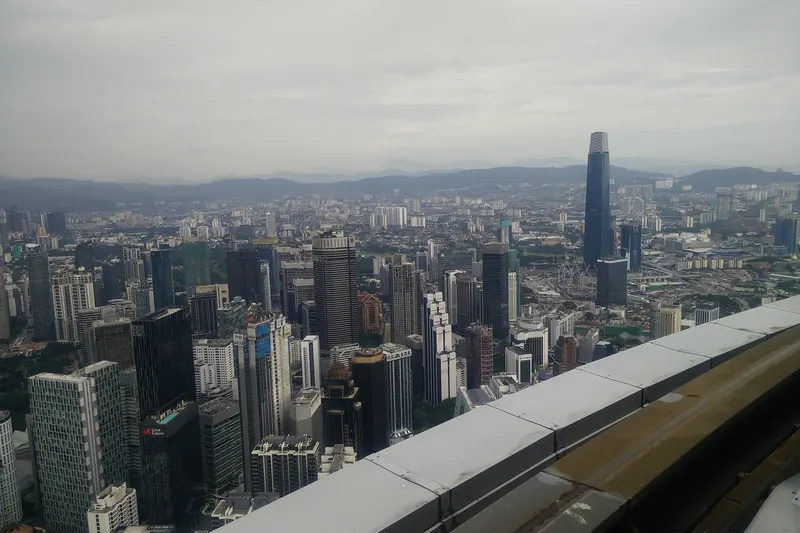
    A telecommunications tower with an open-air Sky Deck, offering a different skyline angle from the Petronas Towers themselves.

    Tip Come here specifically for photos that include the Petronas Towers in the frame.

Things to do

Best things to do in Kuala Lumpur

Beyond the sights, Kuala Lumpur rewards slow food-focused wandering as much as any single attraction.

  1. KL Forest Eco Park at the base of KL Tower

    Ride to the top of KL Tower's Sky Deck

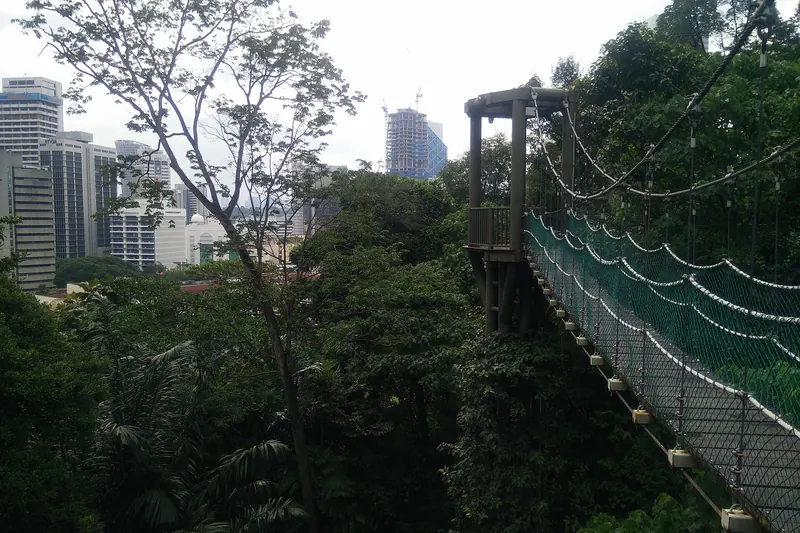
    A quieter alternative to the Petronas Towers for skyline views, with a small rainforest reserve at its base.

    Tip Combine with a walk through the adjoining KL Forest Eco Park's canopy walkway.

  2. The cave temple interior at Batu Caves

    Explore Batu Caves' temple caverns

    Beyond the main cave, smaller shrines and caverns reward a slower visit past the main steps.

    Tip Keep food and loose items secured — the resident macaques are bold around visitors.

  3. Petaling Street's night market in Kuala Lumpur

    Browse Petaling Street's night market

    Stalls selling everything from souvenirs to street food fill the covered street after dark.

    Tip Bargaining is expected here, unlike at fixed-price malls elsewhere in the city.

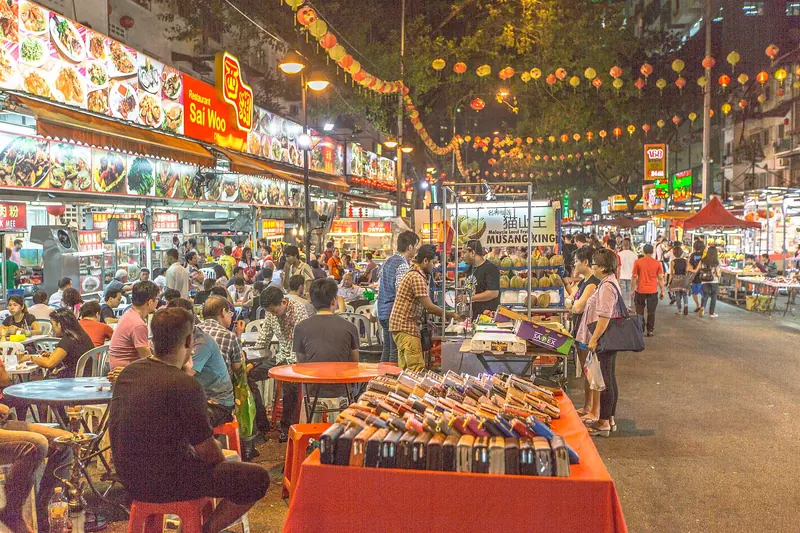
  4. Jalan Alor food street in Kuala Lumpur

    Eat late at Jalan Alor

    A street given over almost entirely to open-air restaurants and food stalls, busiest and best after dark.

    Tip Go with a group if possible, so you can order and share across several stalls.

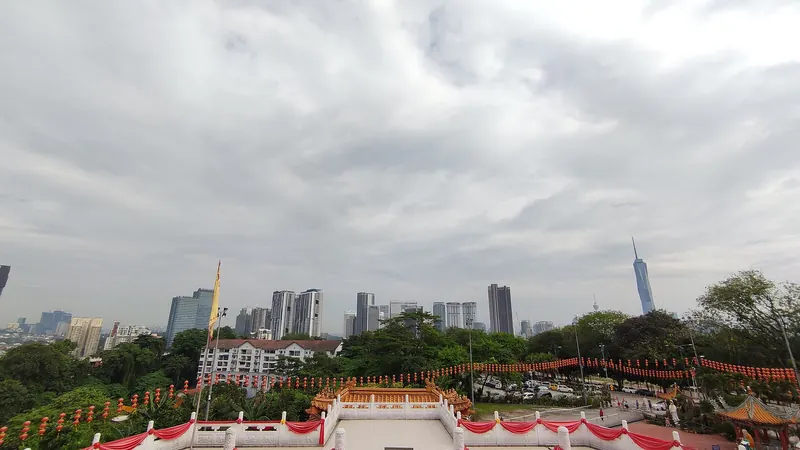
  5. The Kuala Lumpur skyline seen from Thean Hou Temple

    Watch sunset from Thean Hou Temple

    The temple's hilltop terrace gives one of the city's better skyline views, especially as the light fades.

    Tip A short taxi or ride-hail trip is easiest — it's not an easy walk from the centre.

  6. Shop and cool off at Central Market

    A historic covered market turned arts-and-crafts hub, a useful air-conditioned break from the heat.

    Tip Good for souvenirs and batik if you haven't found what you want elsewhere.

Local food

What to eat in Kuala Lumpur

Kuala Lumpur's food scene spans Malay, Chinese and Indian traditions, each strong enough to anchor a meal on its own.

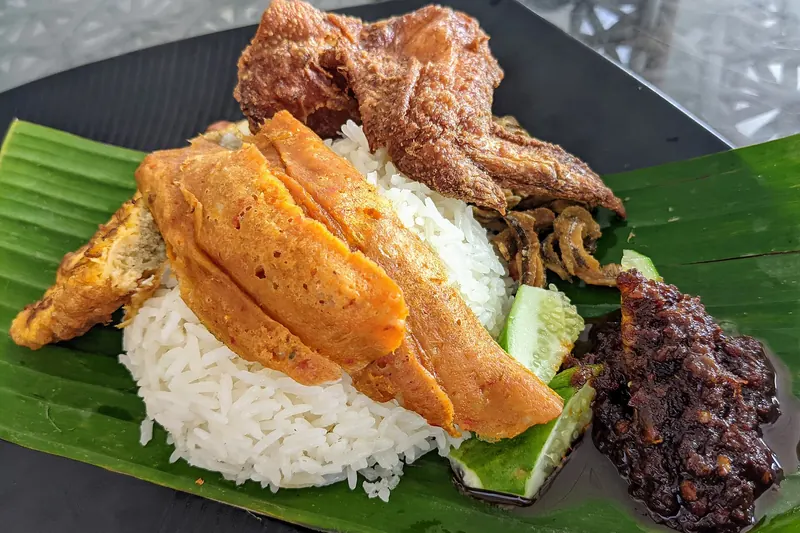
  • Nasi lemak, Malaysia's national dish

    Nasi lemak

    Coconut milk rice with sambal, fried anchovies and a boiled egg, eaten at any hour including breakfast.

    Where to try it Street stalls and restaurants across the city.

  • Roti canai, a flaky flatbread

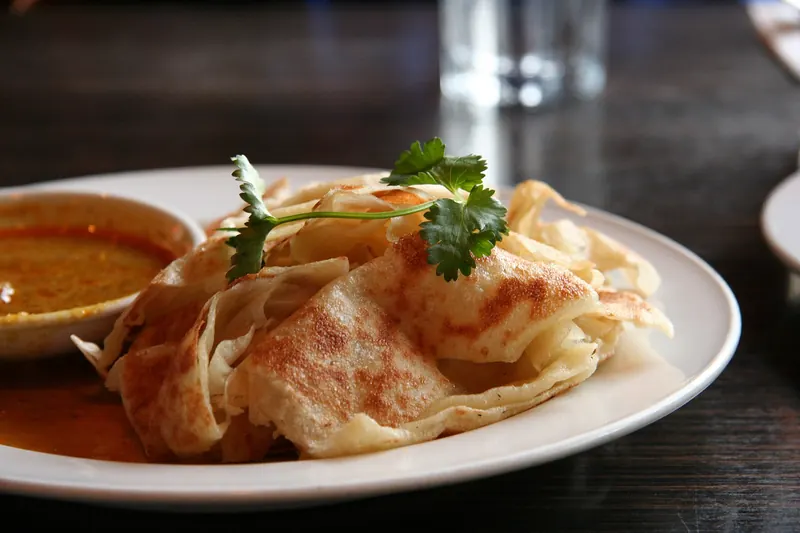
    Roti canai

    A flaky, pan-fried flatbread of Indian-Muslim origin, torn by hand and dipped in curry.

    Where to try it Mamak stalls across the city, many open 24 hours.

  • Grilled satay skewers

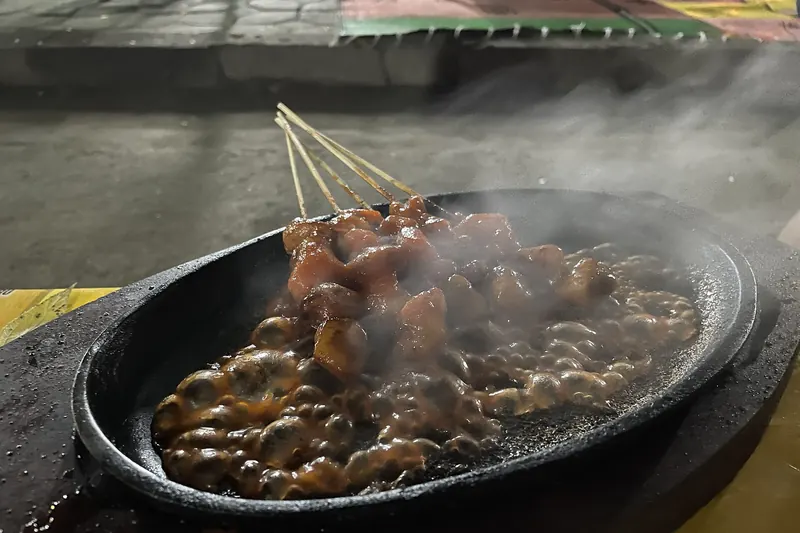
    Satay

    Grilled meat skewers served with a rich peanut sauce, a night market staple.

    Where to try it Night markets and hawker stalls throughout the city.

  • Bak kut teh, a herbal pork rib soup

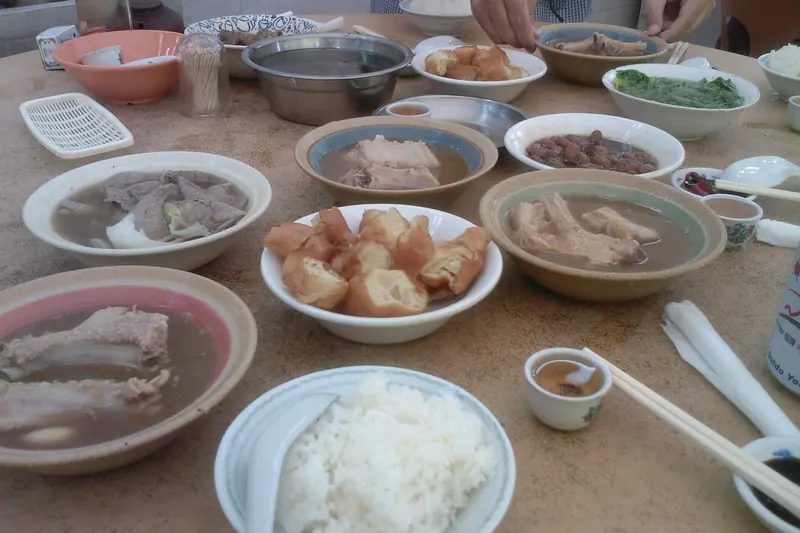
    Bak kut teh

    Pork ribs simmered in a dark herbal broth, traditionally eaten for breakfast alongside rice and youtiao.

    Where to try it Specialist bak kut teh restaurants in Klang and around the city.

  • Hainanese chicken rice

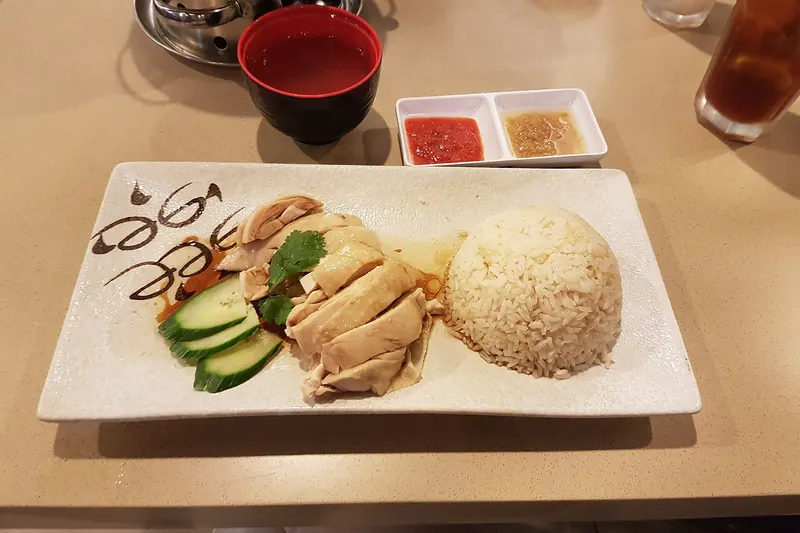
    Hainanese chicken rice

    Poached chicken over rice cooked in its own stock, served with chilli and ginger sauces.

    Where to try it Hawker centres and Chinese kopitiams across the city.

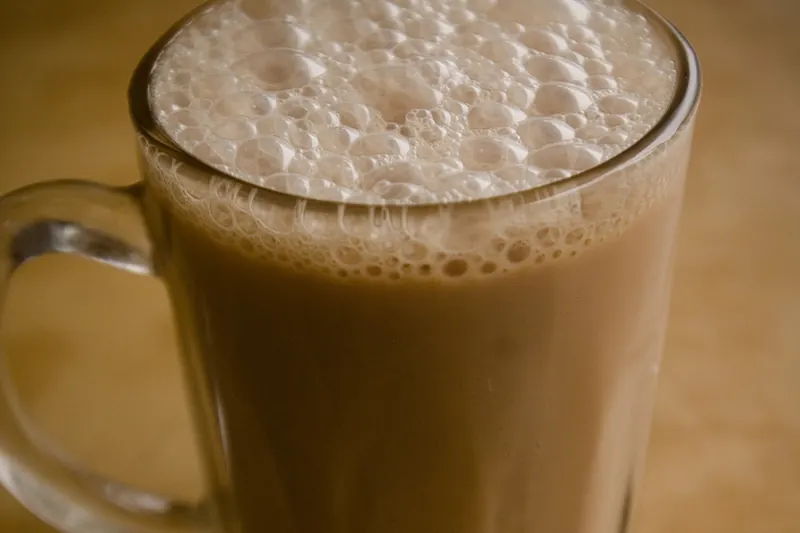
  • Teh tarik, pulled milk tea

    Teh tarik

    Sweet, frothy pulled tea, theatrically poured between cups to build its characteristic foam.

    Where to try it Mamak stalls throughout the city, alongside roti canai.

Accommodation

Where to stay in Kuala Lumpur

Kuala Lumpur's accommodation spans backpacker hostels to five-star towers, with location doing most of the work in deciding where to stay.

  • KLCC

    The most convenient base for first-time visitors, if also the priciest.

    Best for: Being close to the Petronas Towers and upscale malls

  • Bukit Bintang

    A lively, well-connected area with a huge range of accommodation and dining.

    Best for: Nightlife, shopping and street food

What a night costs

Hostel dorm bed
RM35–60 per night
Mid-range hotel
RM180–350 per night
Hawker meal
RM8–15 per person
Restaurant dinner
RM40–90 per person

Transport

Getting to and around Kuala Lumpur

Kuala Lumpur is Malaysia's main international gateway, well connected by air and to the rest of the Peninsula by train.

Getting there

  • Fly into KLIA or klia2

    The standard route for most international visitors.

    The KLIA Ekspres train reaches KL Sentral in about 28 minutes.

  • Take the KTM ETS train from elsewhere on the Peninsula

    Fast, comfortable rail links to Ipoh, Penang and beyond.

    Arrives centrally at KL Sentral, well connected to onward transport.

  • Long-distance coach

    A budget-friendly option from Malacca, Penang or further afield.

    Most services arrive at one of several bus terminals around the city.

Getting around

Kuala Lumpur's train network covers most tourist areas well, with ride-hailing apps filling the remaining gaps.

  • LRT, MRT and monorail

    The most efficient way to move between KLCC, Bukit Bintang and Chinatown.

    Air-conditioned and a welcome break from the tropical heat.

  • Ride-hailing apps

    Cheap, reliable and widely used for door-to-door trips.

    Often easier than flagging a street taxi.

  • Walking within districts

    Workable within KLCC or Chinatown individually, less so between them.

    Elevated, covered walkways help in some areas, but the heat makes long walks tiring.

When to go

Best time to visit Kuala Lumpur

Kuala Lumpur is hot and humid year-round, with only modest seasonal variation in rainfall.

  • December–February

    Best time

    Generally the driest stretch of the year, though still warm and humid.

  • March–May

    Good

    Warm with a moderate chance of afternoon showers.

  • June–September

    Good

    Similar conditions, with short afternoon downpours common but rarely disruptive.

  • October–November

    Good

    The wettest months, with heavier and more frequent rain.

Worth planning around: Nothing strongly — Kuala Lumpur works as a year-round city break, with October and November simply the wettest window.

Itinerary

Two days in Kuala Lumpur

Built around the modern KLCC district and the older city, with Batu Caves as a half-day trip.

  1. Day1

    KLCC and the modern city

    The Petronas Towers and surrounding district.

    • Morning Visit the Petronas Towers' Skybridge and observation deck.
    • Afternoon Relax in KLCC Park and browse nearby malls.
    • Evening Dinner and a night market stroll on Jalan Alor.
  2. Day2

    Batu Caves and the old city

    A half-day trip north, followed by colonial and Chinatown sights.

    • Morning Take the train to Batu Caves.
    • Afternoon Explore Merdeka Square and Petaling Street.
    • Evening Sunset at Thean Hou Temple, followed by dinner.

Travel tips

Kuala Lumpur travel tips

Practical notes that make a Kuala Lumpur visit noticeably smoother.

  • Use ride-hailing apps rather than flagging taxis on the street.
  • Dress modestly and remove shoes when visiting Batu Caves and other religious sites.
  • Carry small ringgit notes for hawker stalls and markets.
  • Book Petronas Towers tickets online several days ahead, especially for sunset slots.
  • Stay hydrated and pace outdoor sightseeing around the midday heat.
  • Keep an eye on belongings around the macaques at Batu Caves.

FAQ

Kuala Lumpur: frequently asked questions

How many days do you need in Kuala Lumpur?

Two to three days covers the main sights comfortably, including a half-day trip to Batu Caves.

Is Kuala Lumpur expensive?

No, generally affordable, with hawker meals, public transport and mid-range hotels all reasonably priced.

Do you need a tour to visit Batu Caves?

No, not at all — a direct KTM Komuter train from KL Sentral makes it an easy independent half-day trip.

Is Kuala Lumpur a good base for exploring Malaysia?

Yes, very much so — trains, coaches and domestic flights to most of the Peninsula depart from here.

Is Kuala Lumpur safe?

Yes, generally — a safe city, with normal precautions around petty theft in crowded markets and night markets.

What should first-time visitors not miss?

The Petronas Towers, Batu Caves and at least one proper hawker food crawl, ideally at Jalan Alor or Petaling Street.

Read next

Related travel articles

Food

A Country-by-Country Food Primer

Eating well abroad is mostly a matter of knowing when meals happen, how the menu is structured and which dish belongs to the place you are standing in. This covers all three for the five countries in this guide, plus the signals that separate a restaurant that feeds locals from one that feeds coaches.

Where to go

Beyond the Big Names: Places Worth the Detour

The most visited place in a country is rarely its best, and it is almost never its best value. This is a method for finding the destinations that do not make the postcards — and a set of examples from five of the 50 countries on this site.

Advertisement