Welcome to Tyre
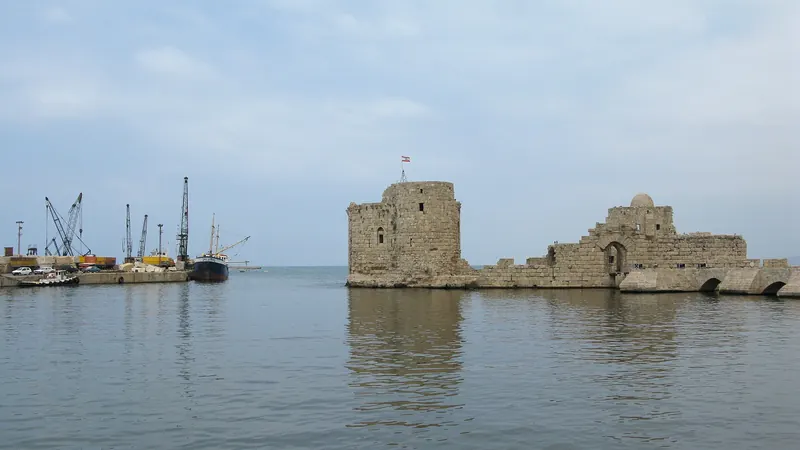
Tyre, called Sour in Arabic, was one of the greatest cities of the ancient Mediterranean. It was built on an island just off the coast, which made it almost impregnable, and it grew rich as a trading power and a colonising one: according to tradition, Tyrian settlers founded Carthage in the 9th century BCE. It was famous for Tyrian purple, a dye extracted from murex sea-snails that was worth more than gold and was reserved for royalty.
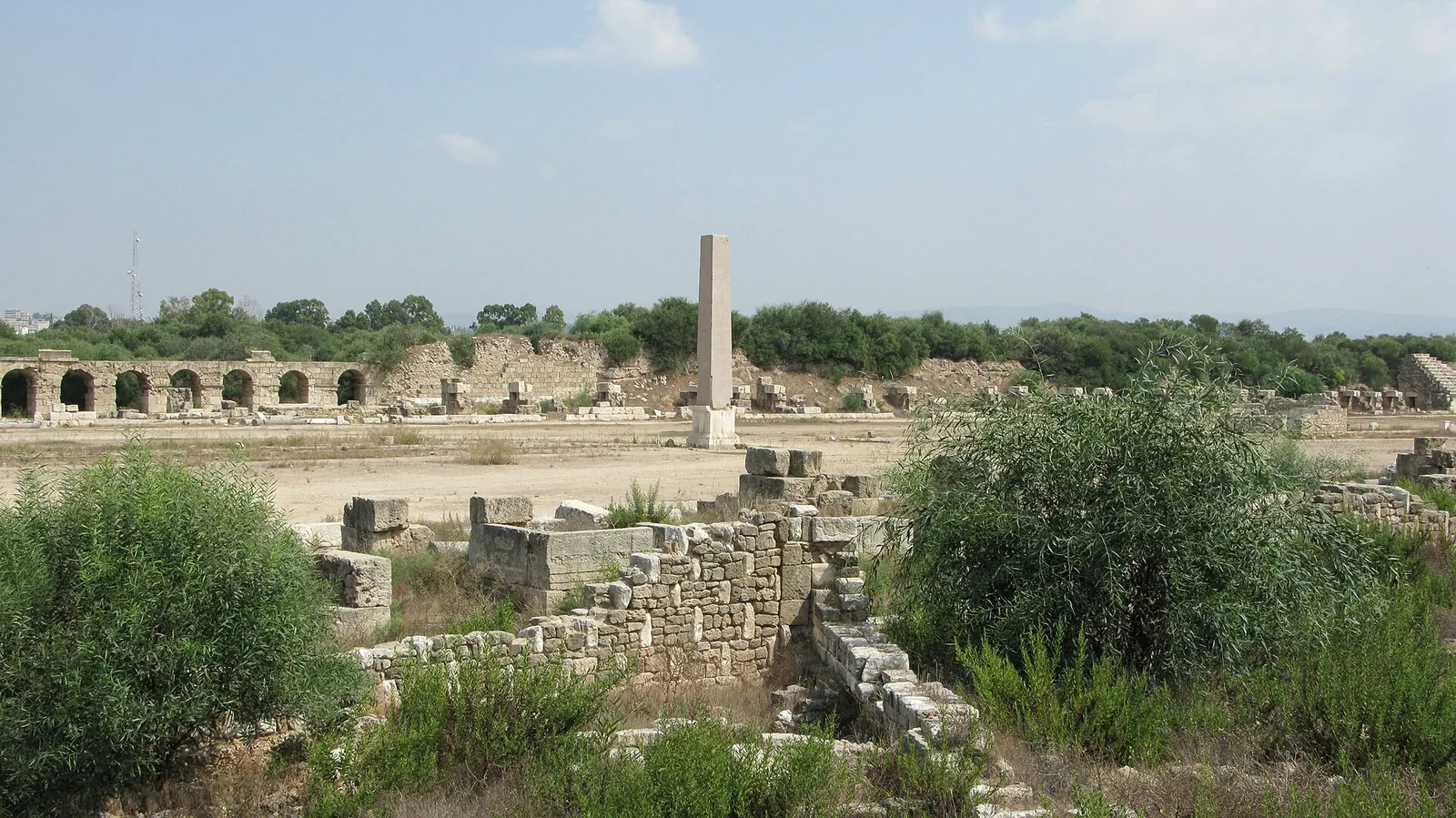
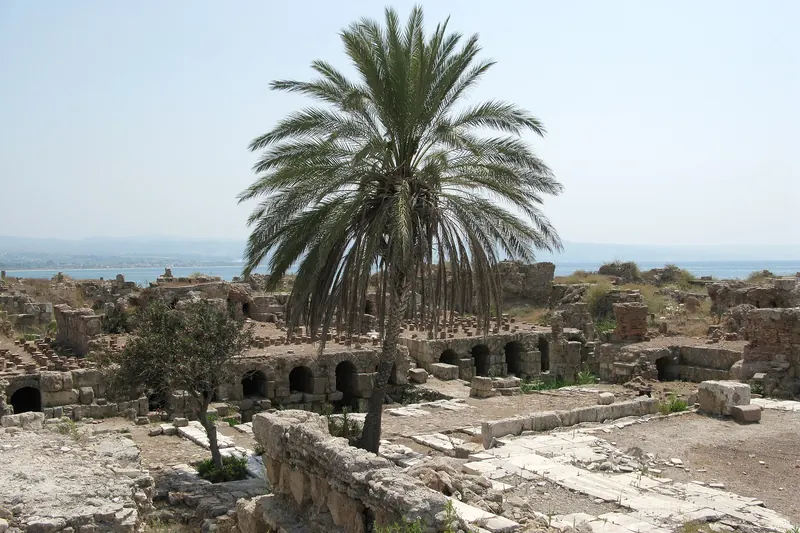
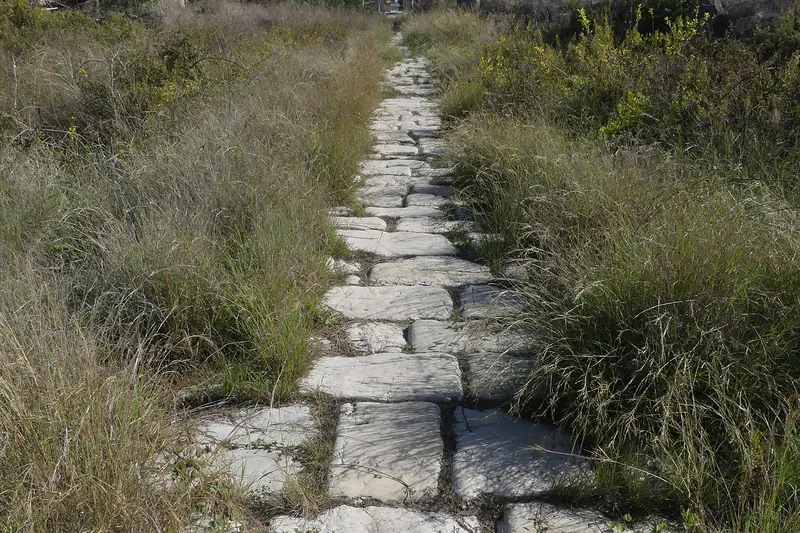
In 332 BCE, after a seven-month siege, Alexander the Great built a causeway from the mainland to capture the city, and the sand that gathered against it eventually turned the island into a peninsula, which is why Tyre is now joined to the land. Under the Romans it became a major city, and its ruins, the Al Mina site near the old harbour and the Al Bass site to the north, include a colonnaded street, baths, a triumphal arch, a vast necropolis and a hippodrome, the largest in Lebanon. UNESCO inscribed the site in 1984.
Tyre is about 80 km south of Beirut and 20 km from the Israeli border, and it has been strongly affected by conflict since 2023. It was the subject of Israeli evacuation orders and strikes in 2024, including near the archaeological sites, and UNESCO gave provisional enhanced protection to the site. Many governments advised against travel to south Lebanon at the time of writing. Check current advice and conditions before you consider going.
- UNESCO Site
- Archaeology
- Coast & Beaches