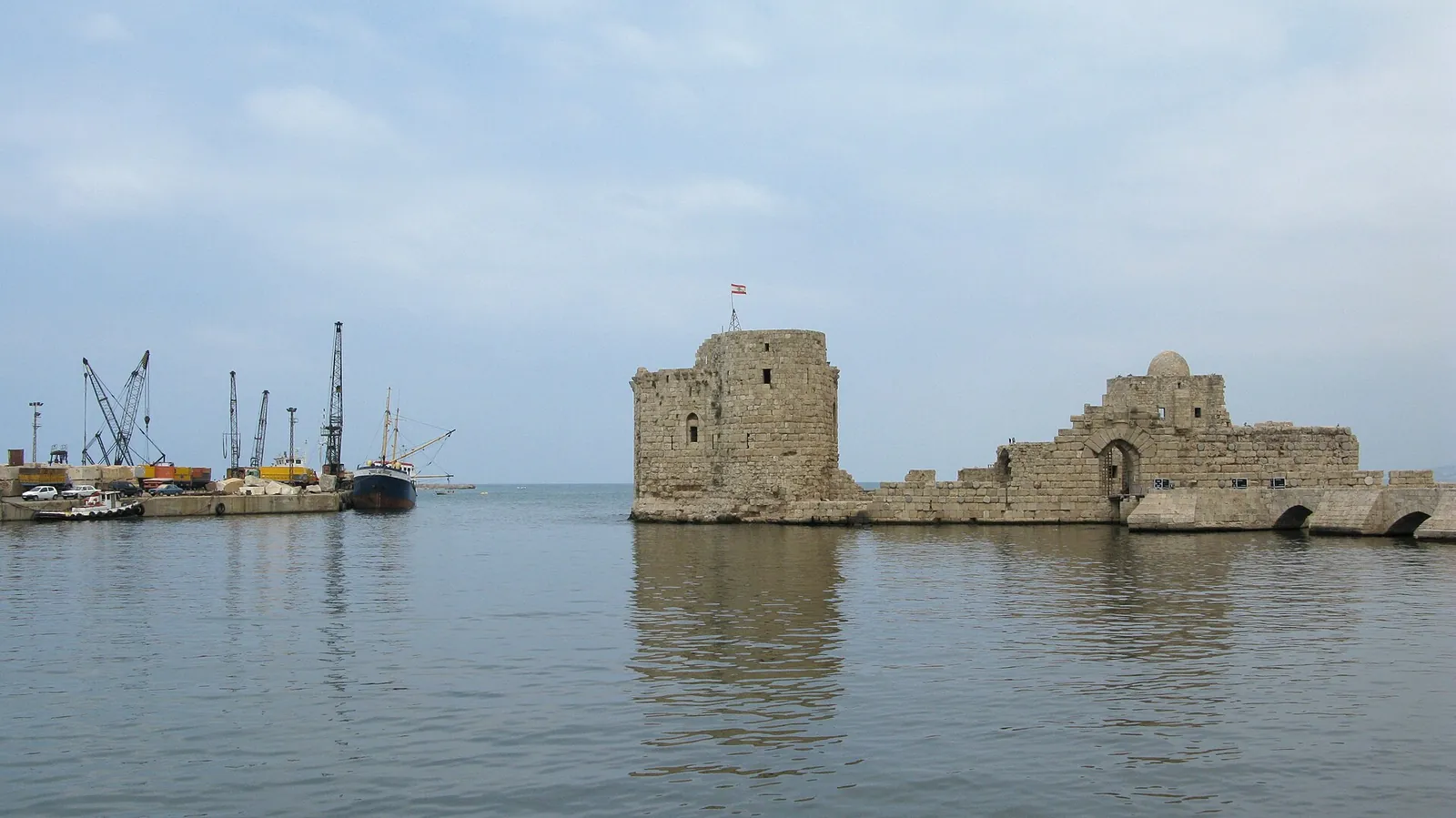
The Crusader Sea Castle of Sidon on its islet, joined to the shore by a causeway

South Governorate, southern coast · Lebanon

Sidon (Saida)

A Phoenician port with a 13th-century sea castle on a causeway, a maze of Ottoman souks and khans, a soap museum and some of the best sweets in the south.

  • Best time April–June and September–October
  • Stay Half a day to a day
  • Good for Old-city walking, castles, food, a day trip from Beirut

Photo: Vyacheslav Argenberg · CC BY 4.0

Welcome to Sidon

Sidon, called Saida in Arabic, is one of the oldest Phoenician cities, and for a time in the 1st millennium BCE was the most important of them, before Tyre took the lead. It was famous for its glass and purple dye, and it was a rich port under the Persians, the Greeks and the Romans. Its history is mostly buried beneath the modern city, with the exception of a temple at Eshmun, about 2 km to the north-east, and a Phoenician royal necropolis.

The most visible landmarks are medieval. The Sea Castle, built by the Crusaders in 1228 on a small island and connected to the shore by a causeway, dominates the harbour, and the Castle of St Louis on the hill, sometimes called the Land Castle, overlooks the old town. The old city is a maze of covered souks, khans and small mosques from the Mamluk and Ottoman periods, with the most notable being Khan al-Franj, a 17th-century inn built by the Emir Fakhr al-Din for French merchants.

Sidon is about 40 km south of Beirut and 45 km north of the Israeli border. It has been affected by conflict, with Israeli strikes near the city in 2024, and many governments advised against travel to south Lebanon at the time of writing. Check current advice and conditions before you consider going.

  • Historic Site
  • Coast & Beaches
  • Culture & Arts

Why visit

Why visit Sidon?

Sidon is one of the easiest and most agreeable old cities in Lebanon, and it is less touristy than Byblos.

  • A castle on a causeway

    The Sea Castle is one of the most photogenic Crusader fortresses on the coast, with towers, a causeway and a view along the shore.

  • A living old city

    The souks are still full of ordinary shops, craft workshops and cafés rather than souvenir stalls.

  • The Soap Museum

    A restored 17th-century soap factory shows how traditional olive-oil soap was made, a craft that Sidon and Tripoli were once famous for.

  • A fishing harbour

    Fishermen sell the catch from the harbour, and restaurants serve it at the water's edge.

  • Sweets

    Sidon has a reputation for its sweets, particularly the pastries filled with cream and nuts.

Main attractions

Top things to see in Sidon

The old town, the castles and the port are within a short walk of each other, and the temple is a short drive.

  1. The Sea Castle

    A Crusader fortress built in 1228 on a small island, reached by a stone causeway. It was partly destroyed by the Mamluks and rebuilt, and has two towers and a chapel.

    Tip Walk the causeway for views of the harbour, and go in the late afternoon.

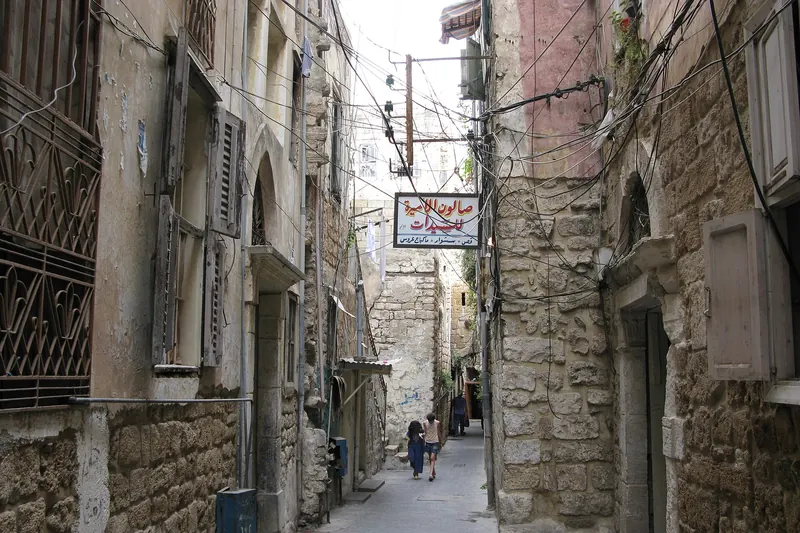
  2. A narrow lane in the old souk of Sidon

    The old souks and Khan al-Franj

    A network of vaulted lanes with shops selling spices, sweets and everyday goods, and Khan al-Franj, a 17th-century merchants' inn with a large courtyard.

    Tip Go in the morning, when the souk is busiest.

  3. The Audi Soap Museum

    A restored soap factory with displays explaining the history of soap-making in Sidon and the region, and a shop selling handmade soap.

    Tip Buy a bar or two.

  4. The Castle of St Louis (Land Castle)

    The ruins of a Crusader castle on a hill above the old city, with views over the harbour and the coast. It is reached by a short climb.

    Tip Go for the view at sunset.

  5. The Great Mosque and old mosques

    The Great Mosque, built in the 13th century on the site of a Crusader church, and several smaller mosques and shrines in the old town.

    Tip Dress modestly and observe prayer times.

  6. The Debbané Palace and Sidon Museum

    An 18th-century mansion with a museum of local history, with rooms furnished as in a wealthy family's home.

    Tip Check opening hours.

  7. The Temple of Eshmun

    A Phoenician temple complex dedicated to the god of healing, about 2 km north-east of the city, with terraces, mosaics and a large ritual basin. It dates from the 7th century BCE onwards.

    Tip Combine it with a drive through the orange groves.

Things to do

Best things to do in Sidon

Sidon is a day for walking, eating and looking.

  1. Walk the old souk

    Wander through the lanes, stopping for coffee and sweets.

    Tip Go in the morning.

  2. Cross the causeway to the Sea Castle

    See the interior and climb the tower for a view.

    Tip Check whether it is open.

  3. Visit the Soap Museum

    Learn about traditional soap-making, and see the restored building.

    Tip Allow an hour.

  4. Eat at the harbour

    Fish restaurants along the port serve grilled fish and mezze.

    Tip Ask the price.

  5. Try Sidon's sweets

    Sample the local pastries, including sfouf, knefe and ma'amoul.

    Tip Buy a small box to take home.

  6. Drive to Eshmun

    See the Phoenician temple in its hillside setting.

    Tip Combine with a walk in the citrus orchards.

Local food

What to eat in Sidon

Sidon is known for its sweets and its fish, and the old town's small restaurants serve simple local food.

  • Grilled fish

    The day's catch, grilled with olive oil and lemon.

    Where to try it Restaurants at the harbour.

  • Sidon sweets

    Baklava, ma'amoul, sfouf and other pastries, sold in the old town.

    Where to try it Sweet shops in the souk.

  • Knefe

    A hot cheese pastry with syrup, often served in a sesame bun for breakfast.

    Where to try it Small shops in the old town.

  • Mezze

    Hummus, tabbouleh, kibbeh and other small dishes.

    Where to try it Restaurants in the old town.

  • Fresh orange juice

    Sidon is surrounded by citrus groves, and fresh juice is sold in the streets.

    Where to try it Juice stalls.

  • Arabic coffee

    Strong coffee flavoured with cardamom.

    Where to try it Cafés in the souk.

Accommodation

Where to stay in Sidon

Sidon has a small number of hotels and guesthouses, and most visitors come as a day trip from Beirut.

  • Old town and harbour

    A few guesthouses and boutique hotels in old buildings, when open.

    Best for: Atmosphere

  • Beirut

    A wider choice, about an hour away.

    Best for: Most visitors

What a night costs

Guesthouse
US$40–80 per night
Mid-range hotel
US$80–140 per night
Sea Castle entry
A few US dollars
Meal at a local restaurant
US$10–25 per person

Transport

Getting to and around Sidon

Sidon is about 40 km south of Beirut on the coastal highway. Check current advice before you travel.

Getting there

  • Private driver or car

    About an hour from Beirut, often more in traffic.

    Avoid rush hour.

  • Bus or service taxi

    Buses and shared taxis run from Beirut's Cola station to Sidon, and are cheap.

    Ask for Saida.

  • Tour

    Some tours combine Sidon with Tyre or Beiteddine.

    Check the itinerary.

Getting around

The old town is compact and walkable.

  • Walking

    The castle, souks, khans and museum are within 15 minutes' walk.

    Wear comfortable shoes.

  • Taxi

    Taxis take you to Eshmun and around the modern city.

    Agree the fare.

  • Car

    Parking near the old town is limited.

    Park near the harbour.

When to go

Best time to visit Sidon

Sidon has a Mediterranean climate with hot, humid summers and mild wet winters. Spring and autumn are the most comfortable.

  • Spring (March–May)

    Best time

    Warm and green, with orange blossom in the groves.

  • Summer (June–August)

    Shoulder

    Hot and humid. Visit in the morning.

  • Autumn (September–November)

    Best time

    Warm and calm.

  • Winter (December–February)

    Quiet

    Mild and wet, with few visitors.

Worth planning around: Periods of conflict or tension in the south, and midday in summer.

Itinerary

One day in Sidon

The Sea Castle and the souk in the morning, lunch by the harbour, the soap museum and Eshmun in the afternoon.

  1. Day1

    Castle, souk and soap

    A relaxed day in a working old town.

    • Morning The Sea Castle and the old souk.
    • Afternoon A fish lunch, the Soap Museum and Khan al-Franj.
    • Evening The Temple of Eshmun, then back to Beirut.

Travel tips

Sidon travel tips

Sidon is easy and friendly, but it is in the south.

  • Read your government's advice, and check conditions before you go. The south has been affected by conflict since 2023.
  • Go in the morning, when the souk is busiest and the light is best for photographs.
  • Dress modestly. Sidon is more conservative than Beirut.
  • Buy sweets and soap as souvenirs, and carry cash.
  • Avoid photographing military positions and political posters.
  • Combine with Tyre or Beiteddine, if conditions allow.
  • Follow any instructions from the army or UN forces.

FAQ

Sidon: frequently asked questions

Is Sidon safe to visit?

Sidon has generally been calmer than the border areas, but the south has been affected by conflict since 2023, and many governments advise against travel to south Lebanon. Check current advice.

What is Sidon known for?

Its Crusader Sea Castle, its old souks and khans, its soap and its sweets, and its history as one of the great Phoenician cities.

How long do you need in Sidon?

Half a day for the castle and the old town, and a day with the Soap Museum, lunch and Eshmun.

How do I get to Sidon from Beirut?

By car, driver, bus or shared taxi along the coast. It takes about an hour without traffic.

What is the Sea Castle?

A Crusader fortress built in 1228 on an island in the harbour and connected to the shore by a causeway. It is Sidon's main landmark.

Can I combine Sidon and Tyre in a day?

Yes, in normal conditions. They are about 40 km apart, and a driver can do both, with time for lunch.

Read next

Related travel articles

Where to go

Choosing a Mediterranean Coast

The Mediterranean coasts in this guide are not interchangeable. Some have sand and some have rock; some are glamorous and some are cheap; two of them are effectively closed for half the year. This is a comparison by the things that decide whether a coastal week works — swimming, crowds, cost, transport and what there is to do when you get out of the water.

Food

A Country-by-Country Food Primer

Eating well abroad is mostly a matter of knowing when meals happen, how the menu is structured and which dish belongs to the place you are standing in. This covers all three for the five countries in this guide, plus the signals that separate a restaurant that feeds locals from one that feeds coaches.

Advertisement