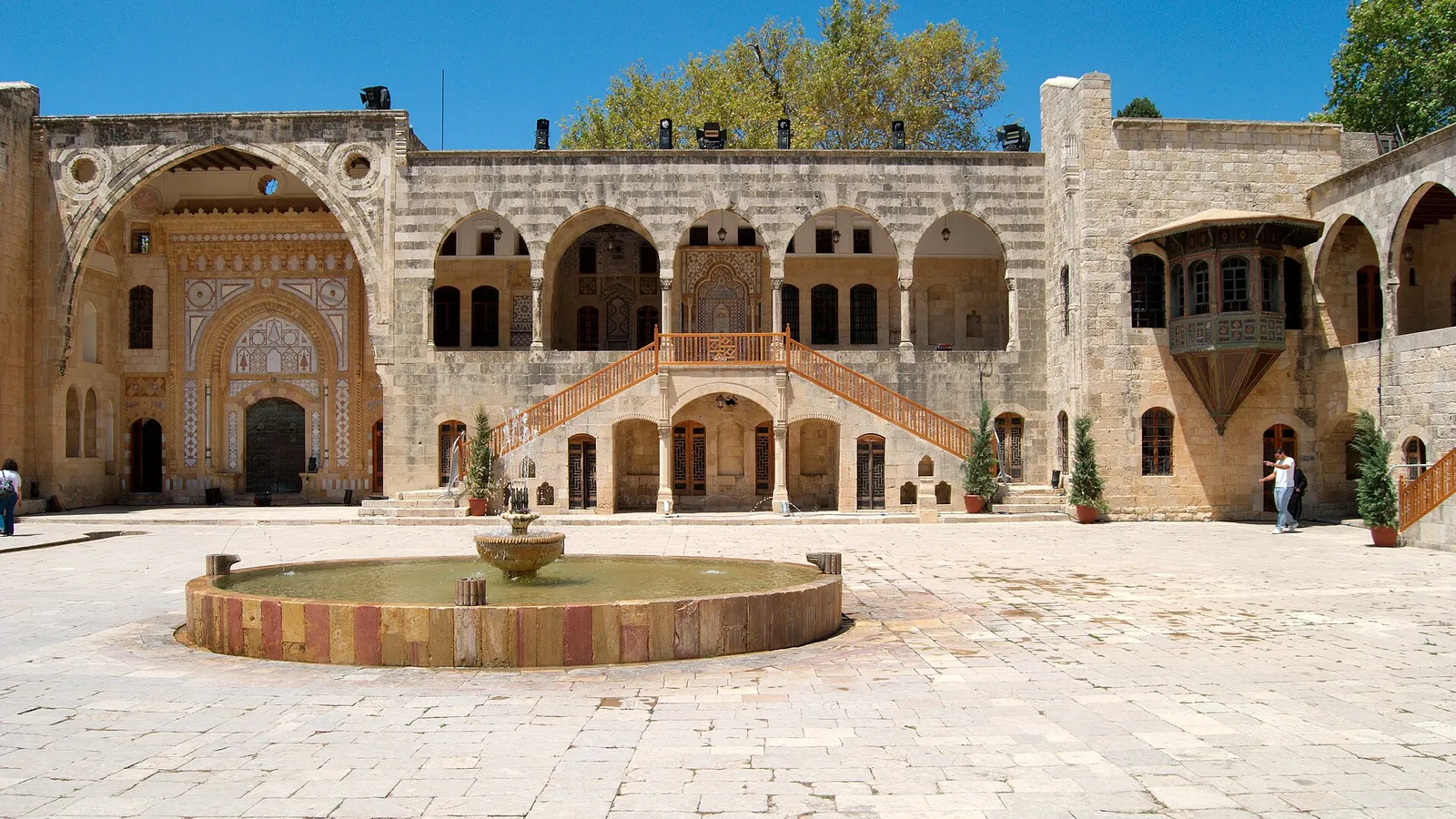
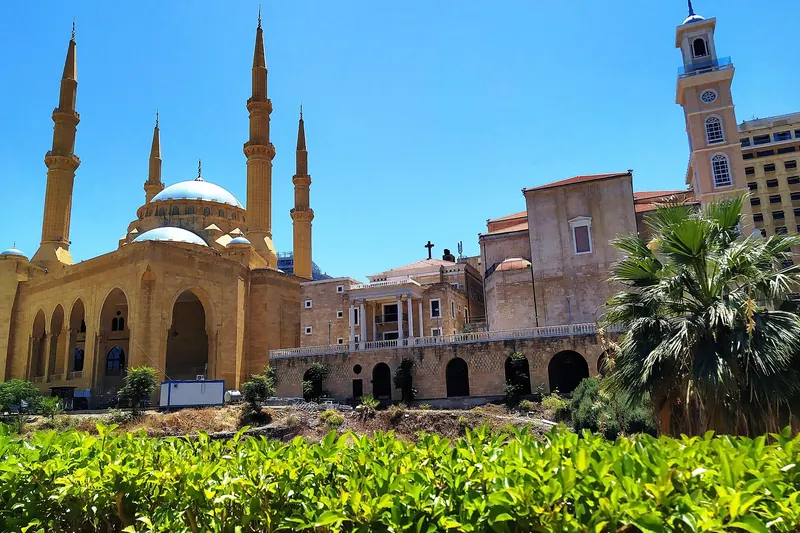
The arcaded courtyard of Beiteddine Palace in the Chouf mountains

Mount Lebanon Governorate, Chouf District · Lebanon

The Chouf & Beiteddine Palace

Lebanon's southern mountains: an Ottoman-era palace of courtyards and mosaics, a stone village that was once the emirs' capital, and the country's largest cedar reserve.

  • Best time April–June and September–October
  • Stay 1 day
  • Good for Mountain scenery, Ottoman architecture, walking, a cool summer day

Photo: Peripitus · CC BY-SA 3.0

Welcome to the Chouf

The Chouf is the range of terraced mountains south-east of Beirut, rising from the coastal plain to about 2,000 metres. It is the historic heartland of the Druze, a religious community that split from Ismaili Islam in the 11th century, and it has a long Christian, particularly Maronite, presence as well. For centuries the emirs of Mount Lebanon, notably Fakhr al-Din II and Bashir II Shihab, ruled from these hills, and their palaces and villages are the region's great heritage.

The biggest is Beiteddine Palace, built between about 1788 and 1818 by Emir Bashir II Shihab, with a series of courtyards, arcades, fountains, baths, mosaics and painted ceilings on a hilltop. Nearby, the village of Deir al-Qamar, the former capital of the emirs, is a well-preserved stone town of red-tiled roofs and cobbled squares. Above them, the Chouf Cedar Reserve is Lebanon's largest nature reserve, protecting a quarter of the country's remaining cedars.

The Chouf is a peaceful region of orchards, olive groves and villages, and it is a favourite summer escape for people from Beirut. It has been affected less directly by recent conflict than the south, but check your government's advice.

  • Historic Site
  • Mountains
  • National Park

Why visit

Why visit the Chouf?

The Chouf is the most scenic and cooling day out from Beirut, and it shows a different side of Lebanon.

  • Beiteddine Palace

    A masterpiece of 19th-century Lebanese architecture, with limestone courtyards, Ottoman and Italianate details and one of the largest collections of Byzantine mosaics in the country.

  • Deir al-Qamar

    A village of old stone houses, a mosque, a church and a palace that was once the seat of Mount Lebanon's emirs.

  • The Chouf Cedar Reserve

    Three groves of ancient cedars, oak and juniper, with marked trails and views over the mountains and the sea.

  • Druze culture

    The region is the centre of the Druze community in Lebanon, with villages, shrines and traditions that are distinct.

  • A summer festival

    The Beiteddine Art Festival, held in the palace courtyards in summer, features concerts, theatre and dance.

Main attractions

Top things to see in the Chouf

The palace and the village are close together, and the reserve is a short drive.

  1. Beiteddine Palace

    A hilltop palace built by Emir Bashir Shihab II, with three main courtyards, a harem, baths, a mosque, stables and gardens. It is now a national monument and houses a museum of mosaics and a collection of weapons.

    Tip Allow two hours, and go on a weekday morning.

  2. The Beiteddine Mosaic Museum

    A museum in the palace displaying Byzantine mosaics from Jiyeh and other sites, including a well-known scene of the cycle of life.

    Tip Visit before the tour groups arrive.

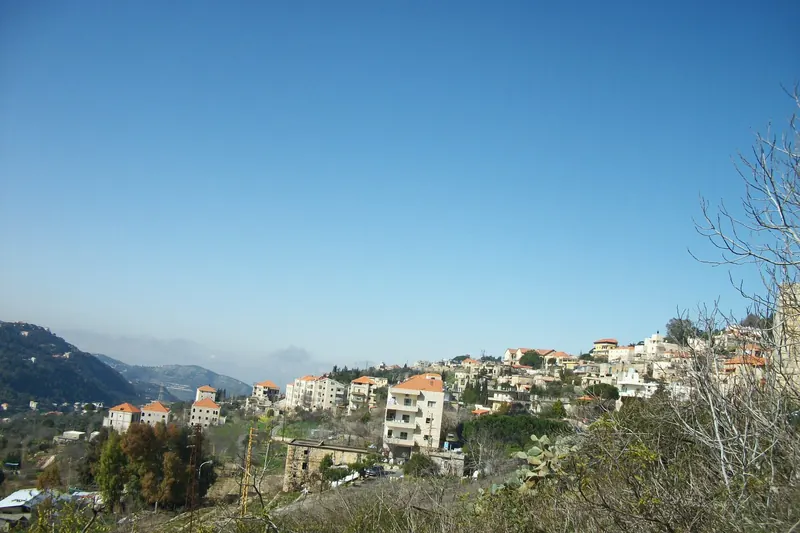
  3. Stone houses and cobbled lanes in the village of Deir al-Qamar

    Deir al-Qamar

    A stone village 5 km from Beiteddine, with a main square, the Fakhreddine Mosque, the Palace of Youssef Shehab and a Maronite church. It is one of the best-preserved historic villages in Lebanon.

    Tip Walk around the square and lanes, and have coffee.

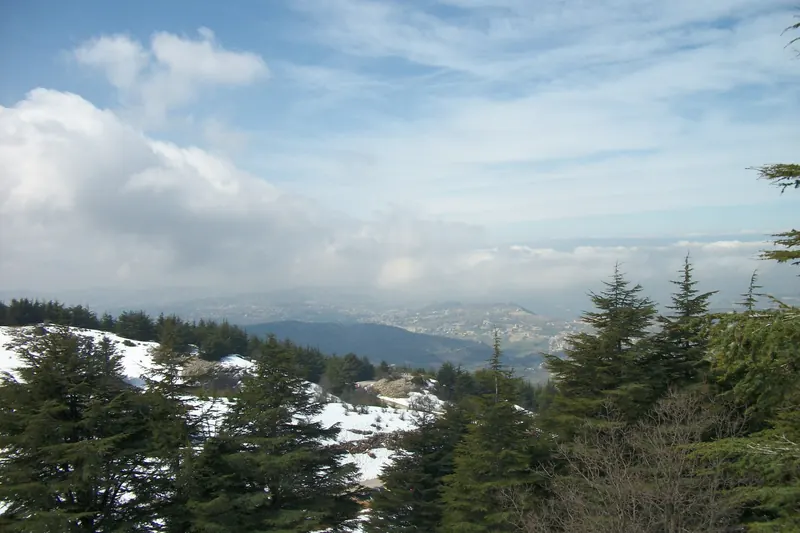
  4. Snow-covered cedars in the Chouf Cedar Reserve

    The Chouf Cedar Reserve

    A protected area of about 550 km² that covers a large part of the southern mountains, with cedar groves at Maaser el Chouf, Barouk and Ain Zhalta. Marked trails, guesthouses and a visitor centre help walkers.

    Tip Go in spring or autumn, and check trail conditions.

  5. Moukhtara Palace

    The seat of the Jumblatt family, one of the leading Druze families, with a palace and gardens in a village near Beiteddine. It is usually closed to the public.

    Tip It can be seen from the road.

  6. The Barouk Cedar Forest

    One of the largest cedar groves in Lebanon, in the reserve, with walking trails.

    Tip Combine with a picnic.

  7. Druze villages

    Villages such as Niha, Baakleen and Mukhtara have shrines, old houses and a distinct religious culture. The Druze faith is secretive, and visitors are welcomed at some sites.

    Tip Ask before entering religious places.

Things to do

Best things to do in the Chouf

The Chouf is a place for a relaxed day of walking and looking.

  1. Tour Beiteddine Palace

    Walk through the courtyards, the baths and the museum, and enjoy the views.

    Tip Go at opening.

  2. Walk in Deir al-Qamar

    Stroll around the square and old lanes, and stop at the cafés.

    Tip Go in the afternoon.

  3. Hike in the cedar reserve

    Follow marked trails through cedar groves and along the ridge, with views to the Mediterranean.

    Tip Take water, and wear sturdy shoes.

  4. Have lunch in a mountain village

    Restaurants serve mezze and grills on terraces with mountain views.

    Tip Ask for the local specialities.

  5. Attend the Beiteddine Art Festival

    Concerts and performances in the palace courtyards during summer, when held.

    Tip Check the programme and book tickets.

  6. Combine with Sidon

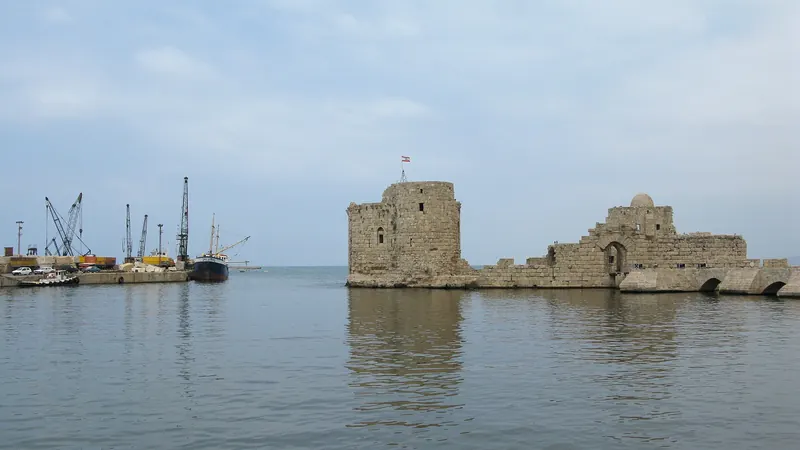
    Sidon is about 40 minutes from Beiteddine, and the two make a full day.

    Tip Start in the mountains and finish on the coast.

Local food

What to eat in the Chouf

Chouf cooking is mountain cooking: grilled meats, mezze, fruit and preserves, and specialities of the Druze villages.

  • Mezze

    Salads, dips, kibbeh and pastries, often with local olive oil.

    Where to try it Restaurants in Deir al-Qamar and Beiteddine.

  • Grilled meats

    Lamb and chicken cooked over charcoal, served with garlic sauce.

    Where to try it Restaurants in the villages.

  • Mountain fruit

    Apples, cherries, figs and grapes grown in the terraces, sold fresh and as jams.

    Where to try it Roadside stalls.

  • Olive oil and soap

    The Chouf produces olive oil and traditional soap.

    Where to try it Village shops and cooperatives.

  • Manakish

    Flatbread with za'atar, cheese or meat.

    Where to try it Bakeries.

  • Sweets and coffee

    Traditional sweets and strong coffee in the village cafés.

    Where to try it Cafés in Deir al-Qamar.

Accommodation

Where to stay in the Chouf

Most visitors visit as a day trip from Beirut, but guesthouses in the villages and the reserve are a pleasant option.

  • Deir al-Qamar and Beiteddine

    Small hotels and guesthouses in restored stone houses.

    Best for: Palace and village access

  • The cedar reserve villages

    Guesthouses in Ain Zhalta, Maaser el Chouf and Barouk run in partnership with the reserve.

    Best for: Walking

What a night costs

Guesthouse
US$50–90 per night
Mid-range hotel
US$90–150 per night
Palace entry
A few US dollars
Reserve entry
A few US dollars

Transport

Getting to and around the Chouf

Beiteddine is about 45 km south-east of Beirut by winding mountain roads.

Getting there

  • Private driver or car

    About 1 hour 15 minutes from Beirut without traffic. The road climbs from the coast.

    Avoid driving in the dark.

  • Bus or service taxi

    Shared taxis run from Beirut's Cola station to Beiteddine and Deir al-Qamar.

    Ask for Beiteddine.

  • Tour

    Day tours from Beirut often include Beiteddine, Deir al-Qamar and the cedars.

    Check what is included.

Getting around

A car or driver is the easiest way to link the palace, the village and the reserve.

  • Car or driver

    Roads link the villages, though they are narrow and winding.

    Drive carefully.

  • Walking

    Deir al-Qamar and the palace grounds are walkable, and trails link the villages in the reserve.

    Wear sturdy shoes.

  • Taxi

    Local taxis take you between villages.

    Agree the fare.

When to go

Best time to visit the Chouf

The Chouf is at 800–1,900 m and is cooler than the coast. Spring and autumn are best for walking, and summer is a pleasant escape.

  • Spring (March–May)

    Best time

    Green hills and wildflowers, with snow on the peaks until April.

  • Summer (June–August)

    Best time

    Warm and dry, with cool evenings and the Beiteddine festival.

  • Autumn (September–November)

    Best time

    Warm and clear, with autumn colours.

  • Winter (December–February)

    Quiet

    Cold and often snowy, with few visitors. Higher roads can close.

Worth planning around: Snowstorms in winter, and August weekends.

Itinerary

One day in the Chouf

Beiteddine Palace in the morning, lunch in Deir al-Qamar, a walk in the cedar reserve in the afternoon.

  1. Day1

    Palace, village and cedars

    A scenic day in the mountains.

    • Morning Beiteddine Palace and its mosaic museum.
    • Afternoon Lunch in Deir al-Qamar, then the Chouf Cedar Reserve.
    • Evening Drive back to Beirut or on to Sidon.

Travel tips

The Chouf travel tips

The Chouf is easy, and a few tips help.

  • Go on a weekday. Weekends and summer evenings are busy with Lebanese visitors.
  • Check whether the palace is open, and confirm festival dates if you want to attend.
  • Dress modestly in the villages and religious sites.
  • Bring a jacket and walking shoes for the reserve.
  • Hire a driver. The roads are narrow and winding.
  • Bring cash, as small shops may not take cards.
  • Respect Druze customs, and ask before entering religious places.

FAQ

The Chouf: frequently asked questions

What is Beiteddine Palace?

A 19th-century palace built by Emir Bashir II Shihab, with courtyards, baths and a museum of mosaics. It is one of the best examples of Lebanese architecture of the period.

Who are the Druze?

A religious community that emerged in the 11th century from Ismaili Islam, and is centred in Lebanon, Syria, Israel and Jordan. Their beliefs are known only to initiated members.

How long do you need in the Chouf?

One day covers the palace, the village and a short walk. Two days let you hike and stay in a guesthouse.

Is the Chouf safe to visit?

It has been less affected by recent conflict than the south, but conditions in Lebanon can change quickly. Check your government's advice.

What is the Chouf Cedar Reserve?

Lebanon's largest nature reserve, protecting about a quarter of the country's remaining cedar forest, together with oak, juniper and wildlife.

When is the Beiteddine festival?

It has traditionally been held in summer, usually July and August. Dates vary and the festival has been suspended in difficult years, so check.

Read next

Related travel articles

Where to go

Beyond the Big Names: Places Worth the Detour

The most visited place in a country is rarely its best, and it is almost never its best value. This is a method for finding the destinations that do not make the postcards — and a set of examples from five of the 50 countries on this site.

Practical

Packing by Season and Trip Type

Most packing advice is a list of things. This is the opposite: the small number of decisions that determine whether your luggage helps or hinders, organised by the kind of trip you are actually taking.

Advertisement