Welcome to Anjar
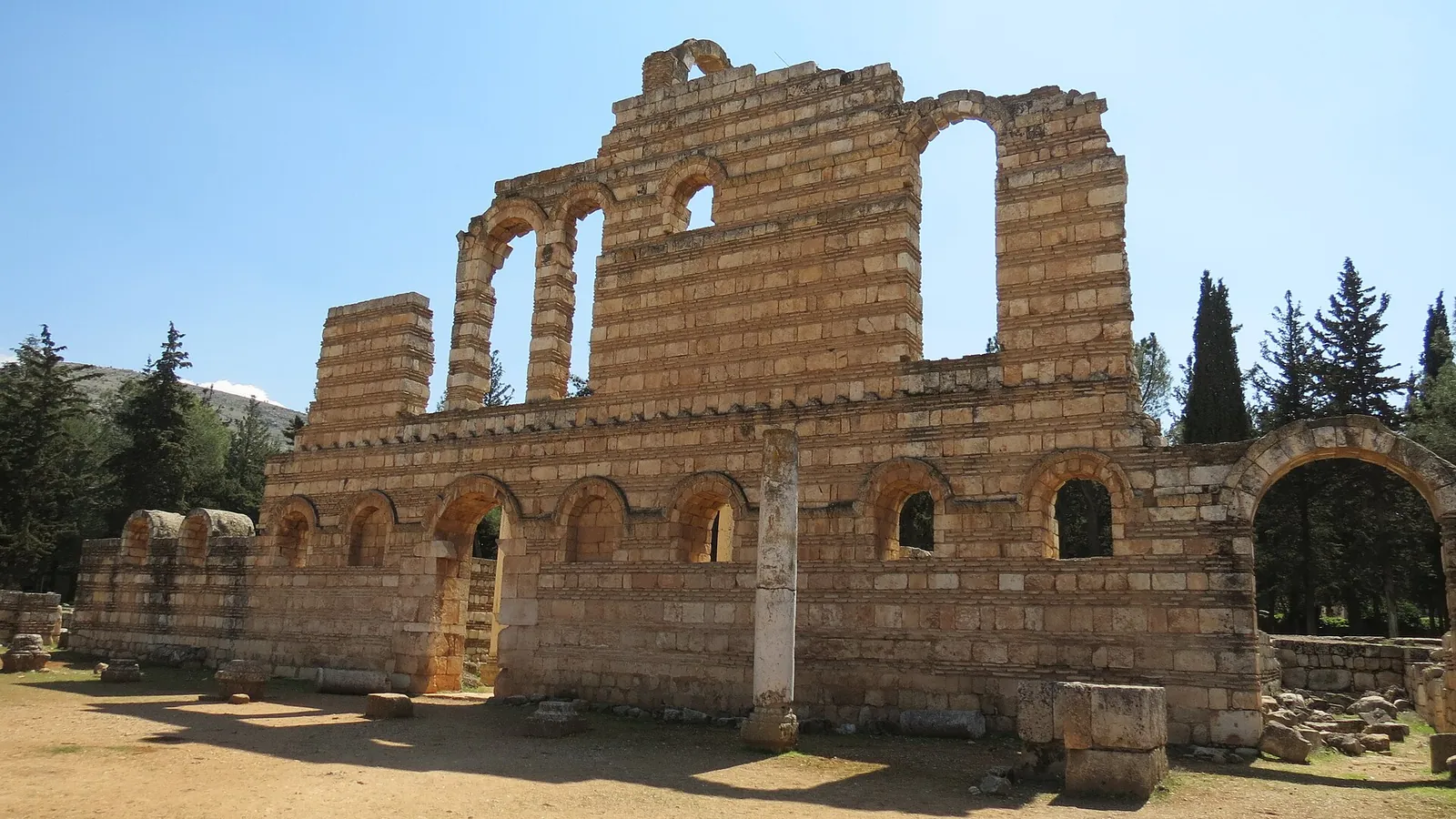
Anjar sits on the plain of the Bekaa Valley in eastern Lebanon, about 58 km east of Beirut and a few kilometres from the Syrian border. In the early 8th century, the Umayyad caliph al-Walid I, or possibly his son, founded a city here, on the trade route between Damascus and the coast. It was laid out on a Roman-inspired grid, enclosed by walls with towers, and it contained palaces, a mosque, baths and arcaded shops.
It did not last long. The Umayyad dynasty fell in 750, and the Abbasids, who took power, abandoned the city, which was ruined by an earthquake and forgotten. Because it was abandoned so soon and never built over, the layout is unusually clear: two main streets crossing at a tetrapylon, lined with rows of shops, and palaces and a mosque behind. UNESCO listed the site in 1984 as an important example of early Islamic urban planning.
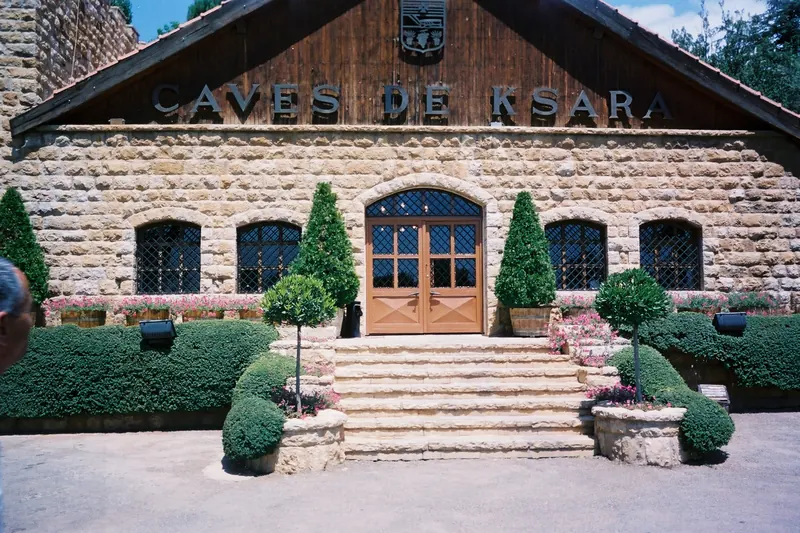
The modern village of Anjar was founded in 1939 by Armenian refugees from Musa Dagh, in what is now Turkey, and its inhabitants are still mostly Armenian. Nearby, the Bekaa is Lebanon's main wine region, with the wineries of Ksara and Kefraya. Anjar's position close to the Syrian border has meant that it has been affected by regional tension, and Israeli strikes hit the border area in 2024. Many governments advised against travel to the Bekaa at the time of writing, so check the current situation before you consider going.
- UNESCO Site
- Archaeology
- Food & Wine