Welcome to Petra
Petra was the capital of the Nabataeans, an Arab people who grew rich two thousand years ago by controlling the caravan routes that carried frankincense, myrrh and spices between southern Arabia and the Mediterranean. They carved their tombs and temples into the sandstone of a hidden valley, and built a city of water channels, cisterns and dams that made a desert basin habitable for tens of thousands of people.
After the Romans annexed the kingdom in 106 AD, the city declined, and after earthquakes and shifts in trade routes it faded from the wider world. The Swiss explorer Johann Ludwig Burckhardt, disguised as a Muslim scholar, reached it in 1812 and brought it to Western attention. Bedouin families lived among the ruins until the 1980s, and Petra was inscribed as a UNESCO World Heritage Site in 1985.
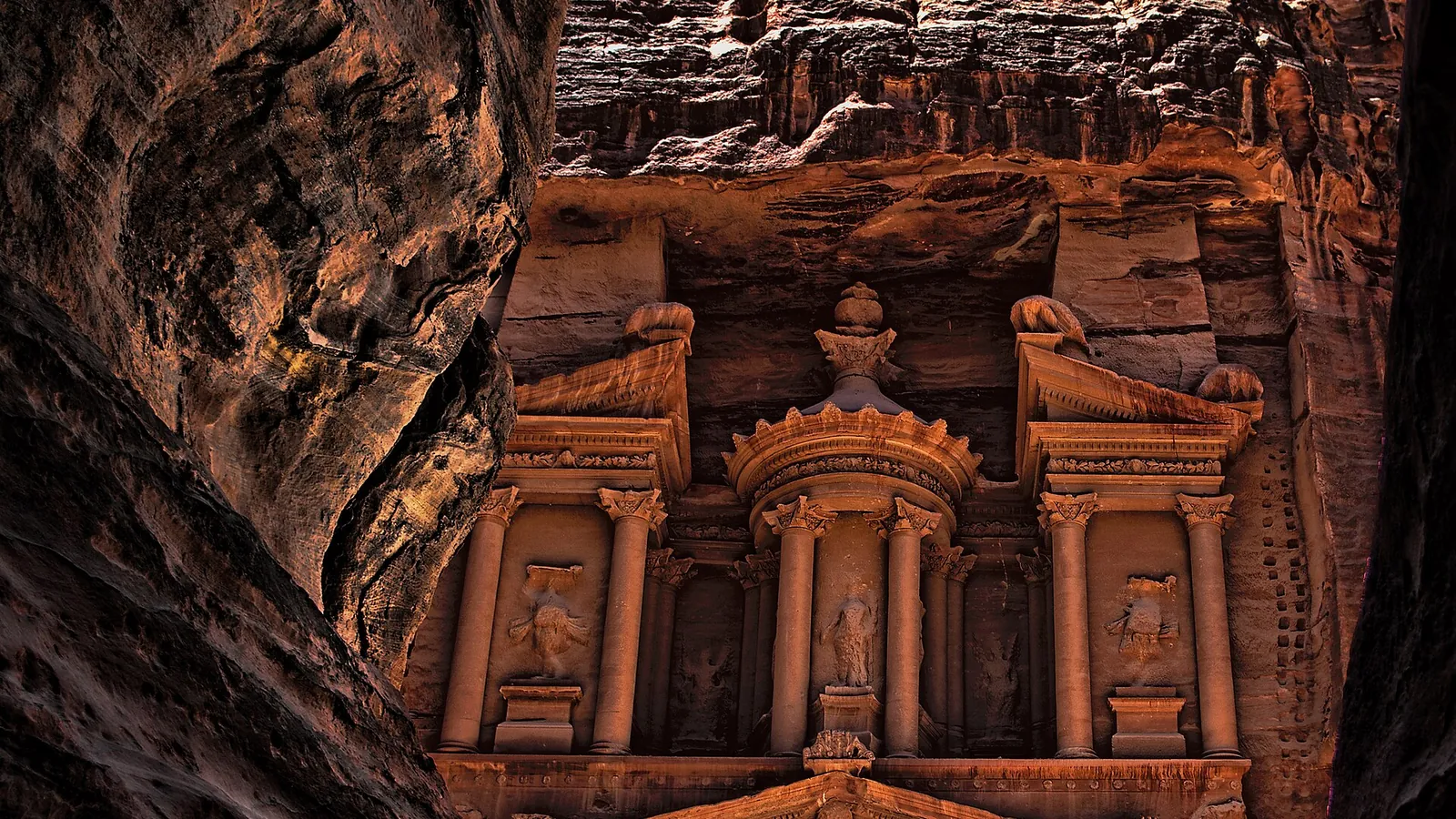
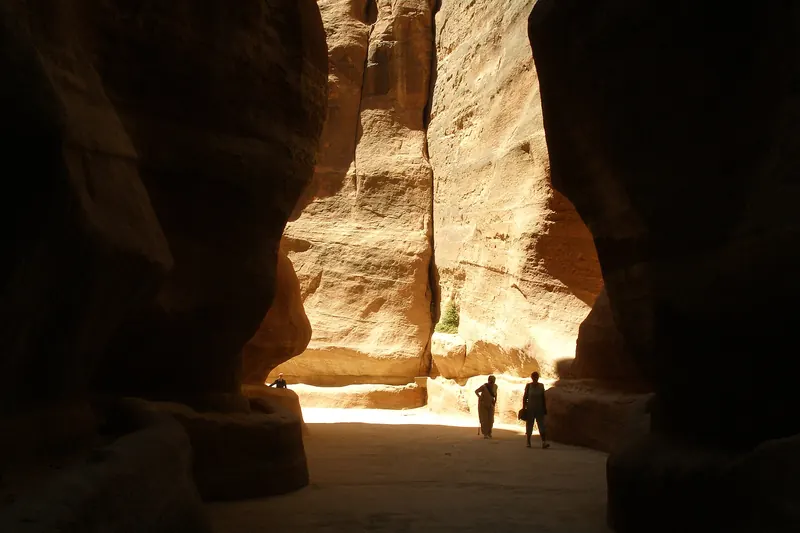
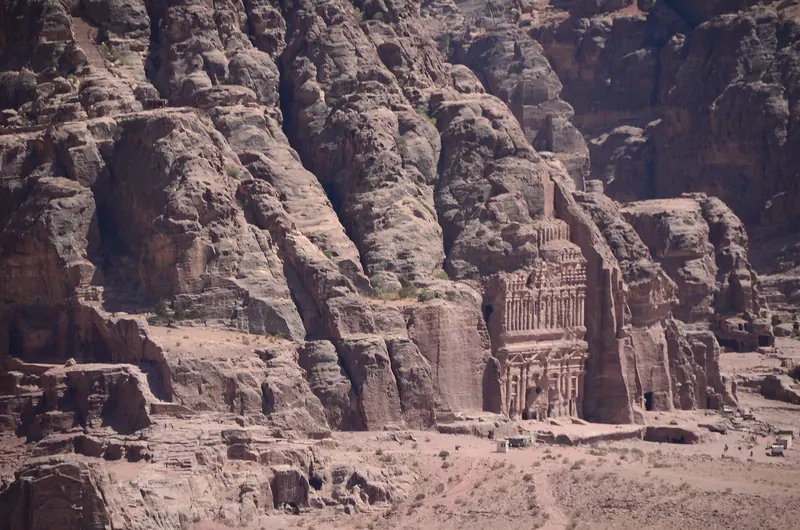
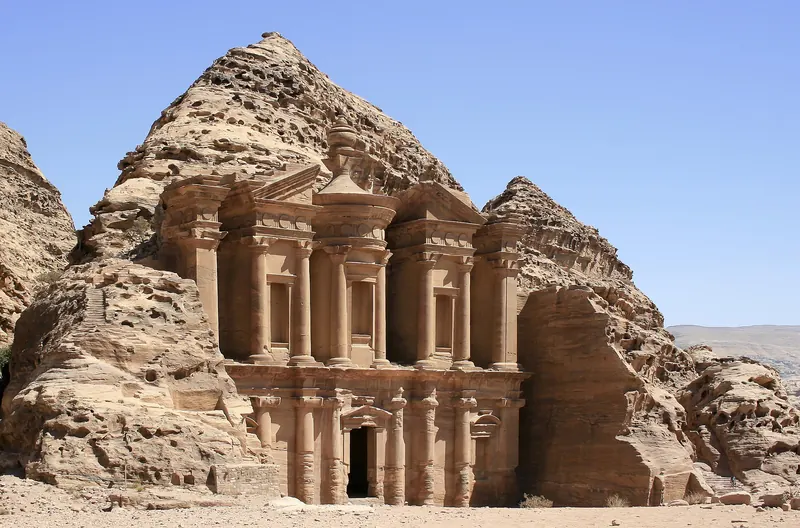
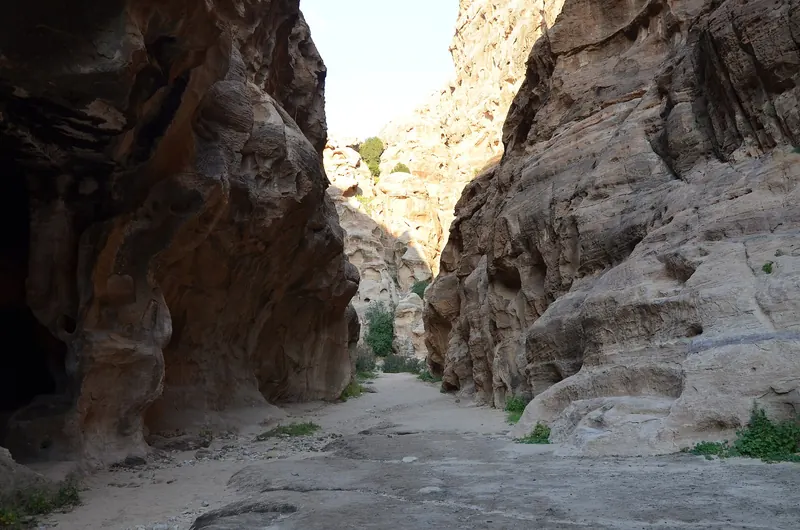
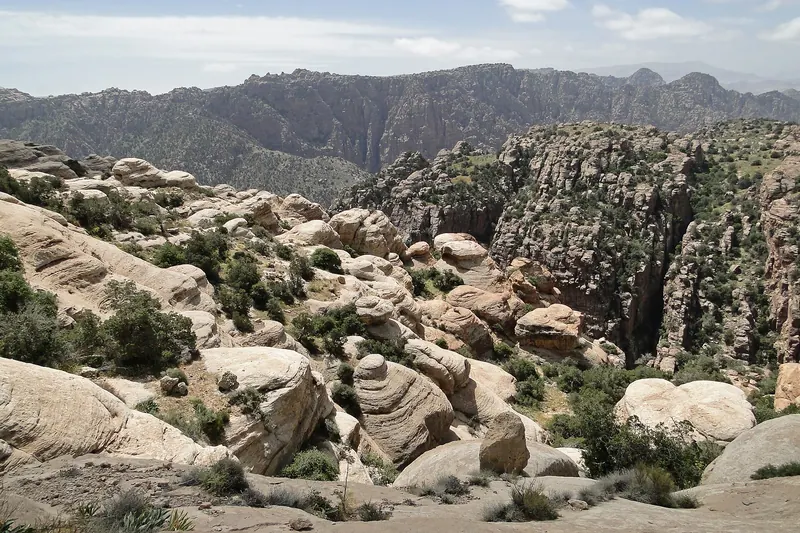
What you see is only part of the story. The site covers about 260 square kilometres, and most visitors follow a single line through it: the Siq, the Treasury, the Street of Facades, the theatre and the Royal Tombs. The Monastery, the High Place of Sacrifice and the back-country trails are where a second day pays off.
- UNESCO Site
- Archaeology
- Historic Site