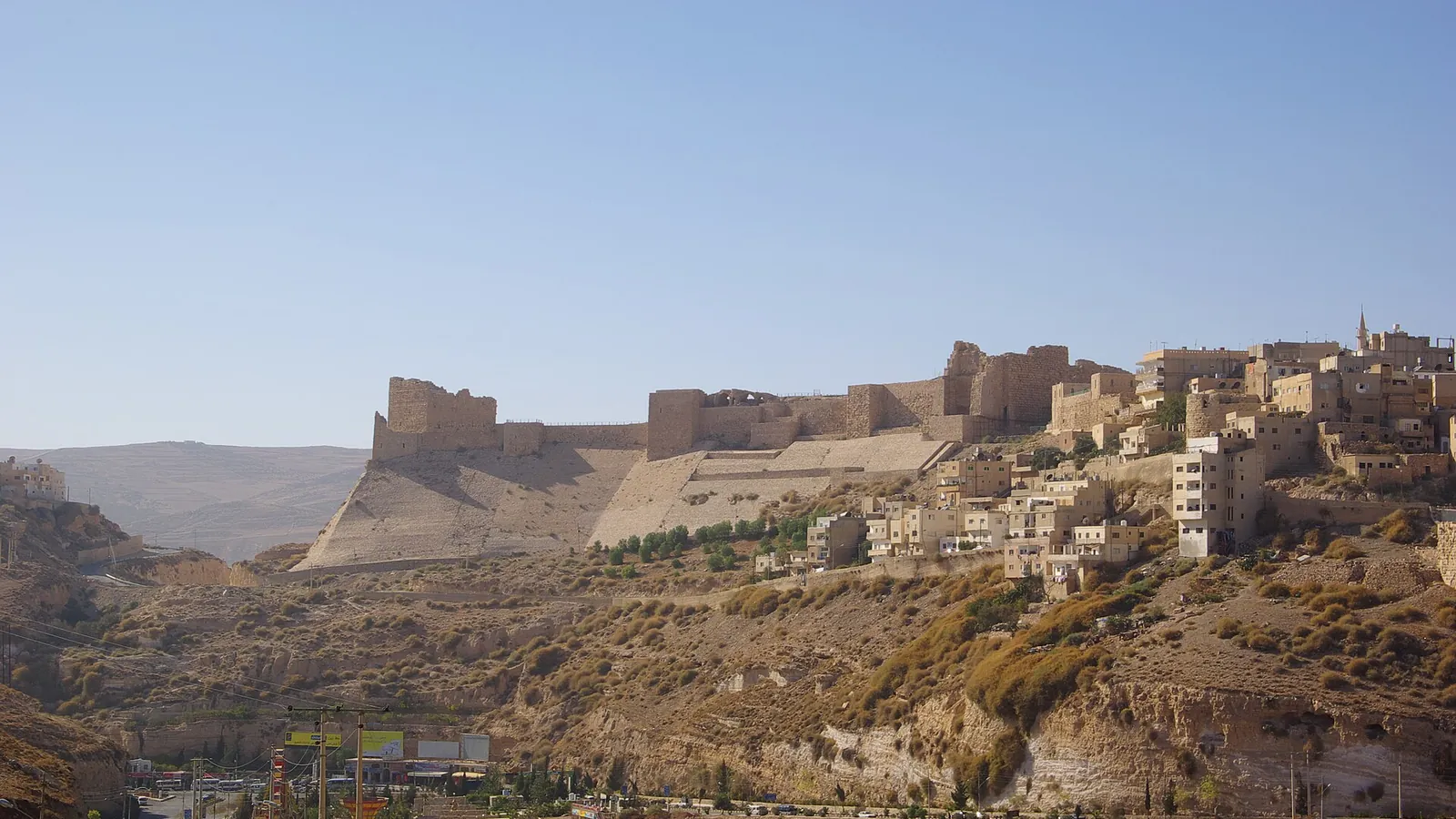
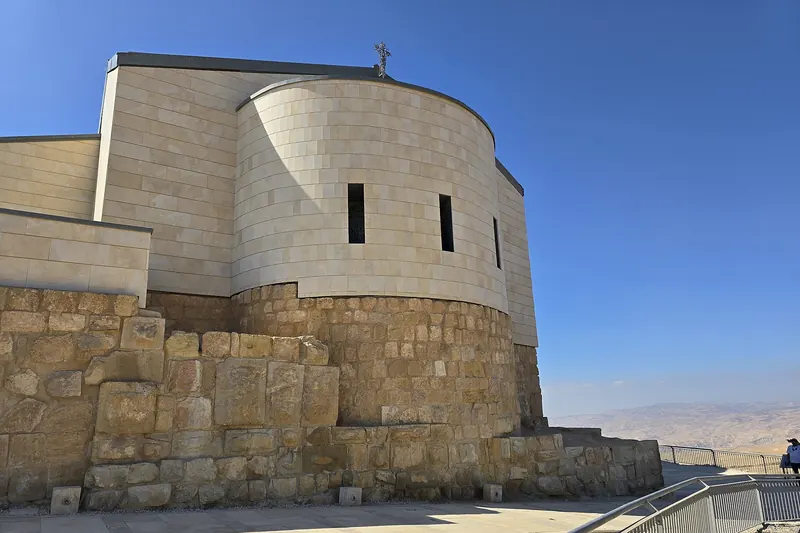
The stone walls and towers of Kerak Castle on its hilltop

Kerak and Ma'an governorates, southern Jordan · Jordan

Kerak & Shobak Castles

Two Crusader fortresses on the King's Highway, one dark and vaulted and lived in by a town, the other a ruined hilltop looking over an orchard valley.

  • Best time March–May and September–November
  • Stay Half a day to a day
  • Good for Castles, medieval history, road trips, off-the-beaten-path travel

Photo: Berthold Werner · CC BY 3.0

Welcome to Kerak and Shobak

In the 12th century, the Crusader Kingdom of Jerusalem controlled the King's Highway, an ancient road along the top of the Transjordan plateau that linked Damascus with the Red Sea. To hold it, they built a chain of castles. Two of the largest, Kerak and Shobak, survive in remarkably good condition, and both are now reachable on a day's drive between Amman and Petra.

Shobak, called Montreal by its builders, was founded by King Baldwin I in 1115 on a hill above a valley of orchards. Kerak, the Crac des Moabites, was built in the 1140s on a spur above the town of the same name, and it became the base of the notorious Reynald of Châtillon, who raided caravans and provoked Saladin. Saladin took Kerak after a siege in 1188, and Shobak fell the following year.

The castles were later held by the Ayyubids and the Mamluks, and Kerak remained a strong point into the Ottoman period. Neither is as polished as a European castle, but both are large, atmospheric and far less visited than Petra, and Kerak in particular rewards a couple of hours of exploring.

  • Historic Site
  • Off the Beaten Path

Why visit

Why visit Kerak and Shobak?

These are two of the best medieval castles in the region, and they sit on a road most visitors are already driving.

  • Kerak's underground galleries

    Long vaulted halls, stables and passages, some lit by narrow slits, run through the castle's lower levels. You can walk through them, and it feels like a real fortress.

  • Shobak's setting

    Sitting on a lone hilltop above a green valley, Shobak is a beautiful ruin, with a long view and few visitors.

  • A different part of Jordan

    The King's Highway crosses high plateaus, gorges and small towns that most people miss on the Desert Highway.

  • A good stop on the way to Petra

    Both castles lie along the route from Amman to Petra, and they turn a transfer day into a day of sightseeing.

  • Real hospitality

    Kerak is a proud, welcoming town, and mansaf here is regarded as the national dish at its best.

Main attractions

Top things to see in Kerak and Shobak

Kerak takes two to three hours, Shobak one to two. Both are on the King's Highway.

  1. Kerak Castle

    A large fortress on a spur, with high walls, towers and a maze of vaulted passages. It has Crusader, Ayyubid and Mamluk phases, and you can climb to the roof for views over the town and the Dead Sea.

    Tip Bring a torch for the underground galleries, and stay on the marked paths.

  2. Kerak Archaeological Museum

    A small museum inside the castle complex, with finds from the site and the region, including Nabataean and Roman pieces.

    Tip Combine it with the castle.

  3. Kerak town

    A hilltop town with a mostly Muslim population and an old and significant Christian minority, and a lively market and old streets around the castle.

    Tip Have lunch in town, and try the local mansaf.

  4. The hilltop ruins of Shobak Castle above its valley

    Shobak Castle (Montreal)

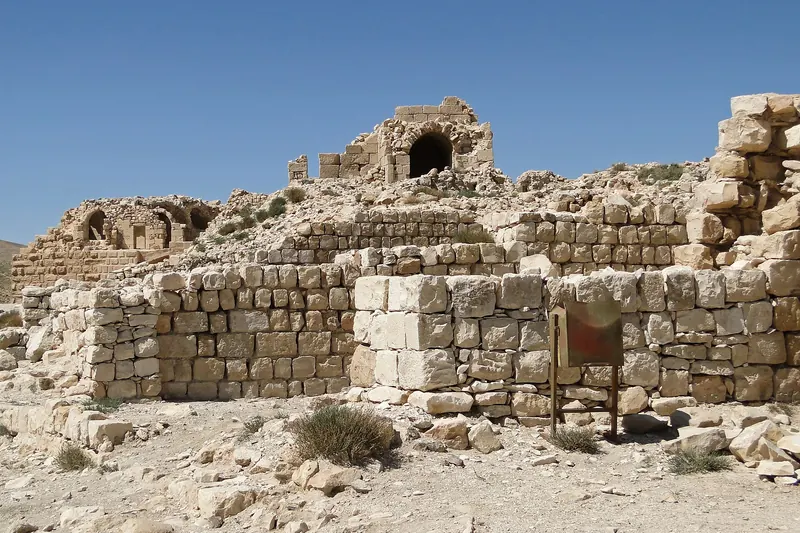
    The ruined fortress of Montreal, founded in 1115 and rebuilt by the Mamluks, with a chapel, a large tower and an unusual passage that descends through the rock to a spring.

    Tip Go with a torch and try the spiral stairway to the spring, which is 375 steps down.

  5. The King's Highway

    The ancient route between the two castles crosses green hills, olive groves and dramatic gorges, including the deep Wadi Mujib and Wadi Hasa.

    Tip Drive it by day, and stop at the viewpoints.

  6. Wadi Hasa and Wadi Mujib viewpoints

    The road drops and climbs across deep river canyons with spectacular views. Wadi Mujib is best known for its reserve and hiking.

    Tip Pull over at the marked viewpoints and take photographs.

  7. Local markets and villages

    Markets and small villages along the road sell fruit, herbs, honey and bread.

    Tip Stop for tea and snacks.

Things to do

Best things to do in Kerak and Shobak

These are easy to do on a driving day, and they help make the most of the route.

  1. Explore Kerak's galleries

    Walk through the castle's vaulted passages, stables and kitchens with a torch or a phone light. It is atmospheric and you can go for hours.

    Tip Watch your head, and take care on uneven floors.

  2. Have mansaf in Kerak

    Kerak is the home of mansaf, and a lunch here is a good way to try it. Local restaurants serve it in generous portions.

    Tip Ask for a portion to share.

  3. Climb the walls

    Kerak's ramparts and towers offer wide views over the town and the countryside, and on a clear day the Dead Sea.

    Tip Go in the late afternoon for the best light.

  4. Walk down to the spring at Shobak

    A stepped tunnel cut into the hill leads to a spring beneath the castle, which supplied the garrison with water. It is a strange and memorable descent.

    Tip Only go if you are comfortable in dark, enclosed spaces.

  5. Combine both castles in a day

    Kerak in the morning, lunch in town, Shobak in the afternoon, and Petra or Dana in the evening. It makes a full day.

    Tip Start early, and plan for the road to take longer than expected.

  6. Detour to Wadi Mujib

    The reserve's Siq trail is a short drive from Kerak, and combines with the castles.

    Tip Book in advance, and check the season.

Local food

What to eat in Kerak and Shobak

Kerak is proud of its food, and it is regarded as the source of the best mansaf in Jordan. Elsewhere on the route, simple cafés and roadside restaurants dominate.

  • Kerak mansaf

    Lamb in a sauce of dried yoghurt, over rice and bread, often with pine nuts. Kerak claims to make the best version, and locals take it seriously.

    Where to try it Traditional restaurants in Kerak, particularly at lunchtime.

  • Zarb

    Meat and vegetables cooked in a pit oven. It is more common at camps than restaurants but available by arrangement.

    Where to try it Ask locally and book ahead.

  • Falafel and hummus

    The staple lunch, and good in every town.

    Where to try it Stalls and small cafés on the main street.

  • Fresh bread and cheese

    Local bakeries sell round loaves, and shops sell white cheese and olives.

    Where to try it Bakeries in Kerak and the villages.

  • Mountain honey and herbs

    Wild thyme, sage and honey are sold in roadside stalls in the highlands.

    Where to try it Stalls on the King's Highway.

  • Sweet tea

    Offered generously, and always welcome.

    Where to try it Everywhere.

Accommodation

Where to stay in Kerak and Shobak

Most visitors visit the castles as a stop and stay in Amman, Madaba, Dana or Petra. A few small hotels in Kerak and Shobak offer a simple overnight stay.

  • Kerak

    A few small hotels and guesthouses in and near the town. The rooms are simple and the welcome warm.

    Best for: An early start at the castle

  • Petra or Dana

    Both are a comfortable distance from Shobak, and they have a much wider choice of accommodation.

    Best for: Most itineraries

What a night costs

Guesthouse in Kerak
JD 20–40 per night
Mid-range hotel
JD 45–90 per night
Castle entry
Included in the Jordan Pass; a few dinars otherwise
Mansaf lunch
JD 5–10 per person

Transport

Getting to and around Kerak and Shobak

Both castles lie on the King's Highway. A car or a driver is the practical way to see them.

Getting there

  • Car or private driver

    Kerak is about two hours from Amman by the Dead Sea Highway or the King's Highway. Shobak is another hour and a half south, and about 30 minutes from Petra.

    This is the best way to combine the two in a day.

  • Public bus

    Buses run to Kerak from Amman's Wihdat station, and minibuses continue to Shobak and Petra. It is slow and needs planning.

    Ask about times before you go.

  • Tour

    Day tours from Amman combine Kerak, Shobak and Petra or the Dead Sea.

    Check what is included.

Getting around

Both castles are on foot once you arrive. The towns are small.

  • Walking

    Kerak town and castle are on a hill, and paths are steep. Shobak is a short walk from the car park.

    Wear good shoes.

  • Taxi

    Taxis in Kerak and Shobak run to the castles and the bus station.

    Agree the price in advance.

  • Hire car

    Easy, with good roads. A hire car is the most flexible way to explore the King's Highway.

    Drive carefully. The road has sharp bends and steep drops.

When to go

Best time to visit Kerak and Shobak

The castles are at about 900 m and are comfortable in spring and autumn. Summers are hot and winters are cold and wet, with occasional snow at Kerak.

  • Spring (March–May)

    Best time

    Green hills, warm days and clear views. The best time to drive the King's Highway.

  • Summer (June–August)

    Shoulder

    Hot, but the highland setting is cooler than the desert. Visit in the morning.

  • Autumn (September–November)

    Best time

    Warm and clear, with good light and few visitors.

  • Winter (December–February)

    Quiet

    Cold, wet and sometimes snowy. The castles are quiet and atmospheric, though roads may be affected.

Worth planning around: Days of heavy rain or snow, when the King's Highway can be treacherous.

Itinerary

A day on the King's Highway

Kerak in the morning, lunch in town and Shobak in the afternoon, ending at Petra or Dana. Assumes a driver or hire car from Amman or Madaba.

  1. Day1

    Two castles and a highway

    Crusader history and mountain scenery.

    • Morning Kerak Castle when it opens, with time in the galleries and on the walls.
    • Afternoon Lunch of mansaf in Kerak, then drive to Shobak for the ruins and the spring.
    • Evening Continue to Petra or Dana for the night.

Travel tips

Kerak and Shobak travel tips

These are easy sites, and a few habits help.

  • Bring a torch or use your phone light at Kerak and Shobak. Many of the best areas are dark.
  • Start early. The castles are quieter in the morning, and the day involves a lot of driving.
  • Take the King's Highway for the scenery, and the Desert Highway when you are in a hurry.
  • Wear sturdy shoes. Floors are uneven and often worn smooth.
  • Combine the castles with Petra or Dana rather than making a separate trip.
  • Have lunch in Kerak. It is a good place to try mansaf.
  • Carry cash for small purchases and entry, since some places do not take cards.
  • Check weather before driving in winter, as snow and fog can close roads.

FAQ

Kerak and Shobak: frequently asked questions

Which is better, Kerak or Shobak?

Kerak is larger, more complete and more interesting to explore, with vaulted galleries you can walk through. Shobak is more ruined, but its setting is beautiful and it is quieter. If you have time for only one, choose Kerak.

How long do you need at the castles?

Two to three hours at Kerak and one to two at Shobak, plus driving and lunch. Together they make a full day.

Are the castles included in the Jordan Pass?

Yes, both are on the list of included sites. Check the current terms.

Can I visit the castles on the way to Petra?

Yes, and many visitors do. Kerak is about two hours from Petra by the King's Highway, and Shobak is only 30 minutes away.

Who built Kerak and Shobak?

The Crusaders, in the 12th century. Shobak was founded by King Baldwin I in 1115, and Kerak was built in the 1140s. Both were captured by Saladin in the 1180s and later expanded by the Mamluks.

Is Kerak safe to visit?

Yes. It is a friendly town that receives visitors regularly. Dress modestly, and check current travel advice as usual.

Read next

Related travel articles

Food

A Country-by-Country Food Primer

Eating well abroad is mostly a matter of knowing when meals happen, how the menu is structured and which dish belongs to the place you are standing in. This covers all three for the five countries in this guide, plus the signals that separate a restaurant that feeds locals from one that feeds coaches.

Where to go

Beyond the Big Names: Places Worth the Detour

The most visited place in a country is rarely its best, and it is almost never its best value. This is a method for finding the destinations that do not make the postcards — and a set of examples from five of the 50 countries on this site.

Advertisement