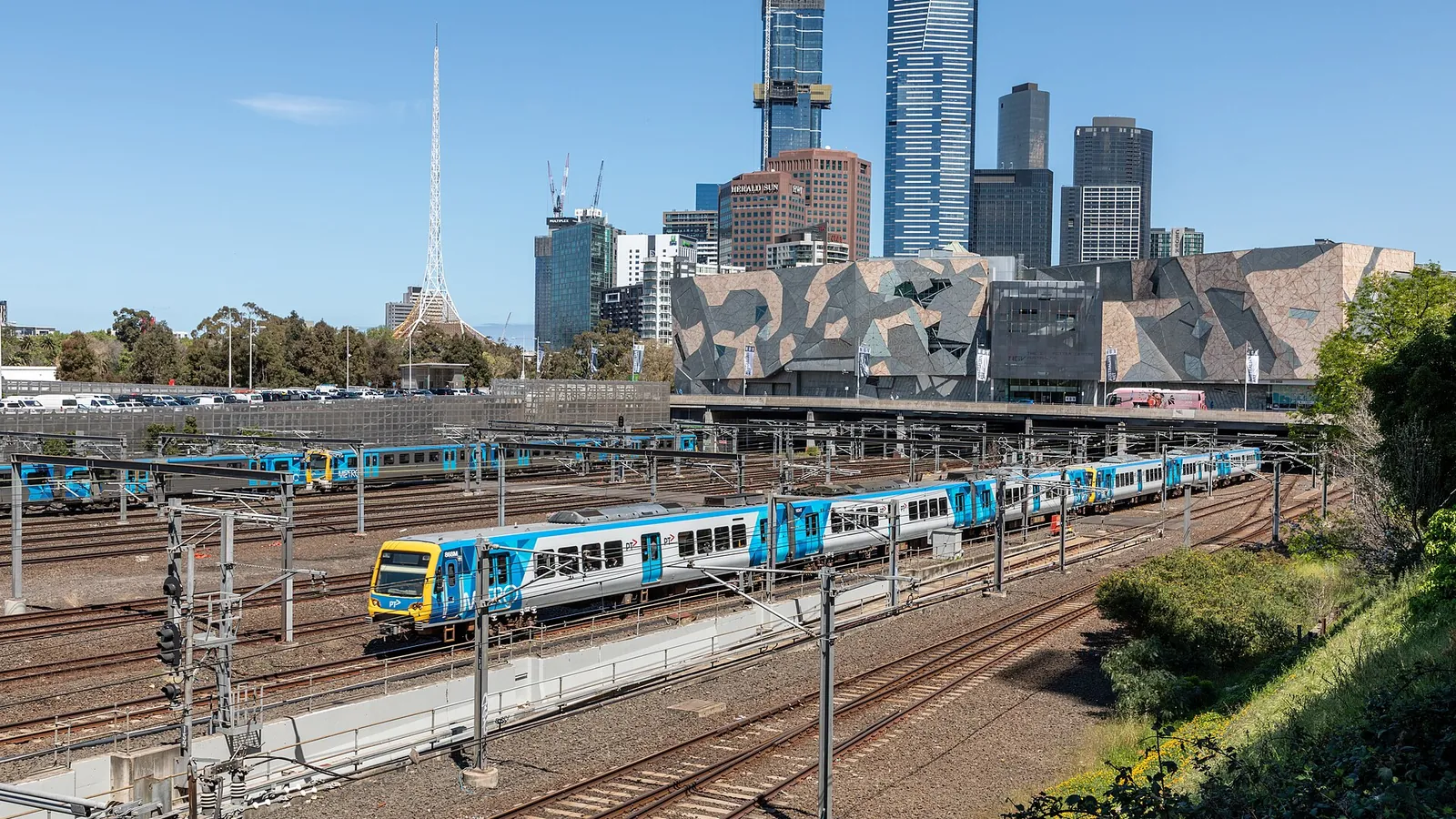
The yellow façade of Flinders Street Railway Station in Melbourne

Victoria, south-east Australia · Australia

Melbourne

Australia's cultural capital: laneways of street art and espresso bars, Victorian arcades, trams, sport and a food scene that many argue is the best in the country.

  • Best time March–May and September–November
  • Stay 3 days
  • Good for Food, coffee, art, shopping, sport, day trips

Photo: Dietmar Rabich · CC BY-SA 4.0

Welcome to Melbourne

Melbourne grew rich on the gold rush of the 1850s, and became the largest and wealthiest city in Australia for a time, with grand Victorian buildings, arcades and boulevards. It served as the national capital from 1901 to 1927, and it has kept an air of elegance and confidence, with tree-lined streets, trams and a strong arts culture.

It is the city of laneways. Behind the grid of the CBD, narrow alleys such as Hosier Lane, Degraves Street and Centre Place are lined with street art, cafés, bars and tiny shops. Melbourne's coffee scene is famous, its restaurants range from Greek and Italian to Vietnamese and modern Australian, and its festivals, from the Australian Open tennis in January to the Melbourne Cup horse race in November, are big events.

The weather is famously changeable, and locals say you can experience four seasons in a day. But there is plenty to do in any weather, from galleries and markets to a game of Australian Rules football at the Melbourne Cricket Ground. It is a good base for day trips, particularly the Great Ocean Road.

  • Major City
  • Culture & Arts
  • Food & Wine
  • Historic Site

Why visit

Why visit Melbourne?

Melbourne is the best city in Australia for culture, coffee and eating.

  • Laneways and street art

    A maze of alleys with murals, bars and cafés that change constantly.

  • Coffee and food

    A café culture that rivals Italy's, and superb Greek, Italian, Vietnamese and modern Australian food.

  • Victorian architecture

    Flinders Street Station, the Royal Exhibition Building and grand arcades.

  • Sport and events

    The MCG, the Australian Open, the Melbourne Cup and Grand Prix.

  • Day trips

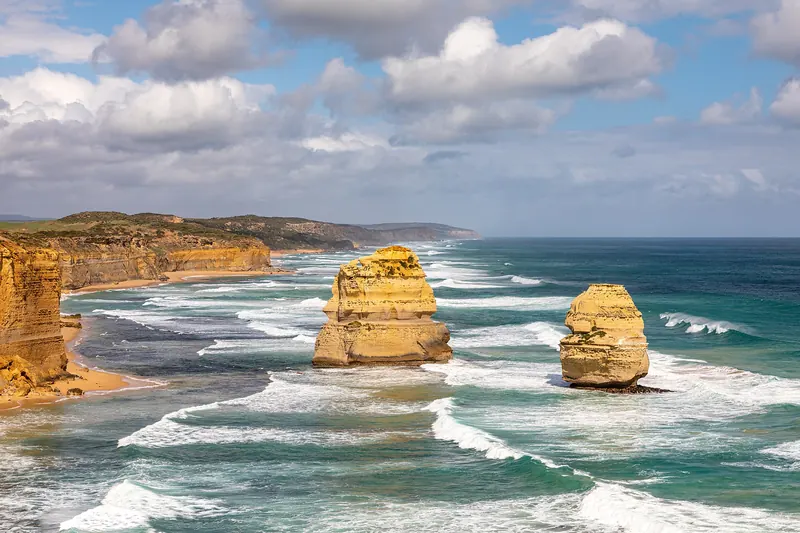
    The Great Ocean Road, Yarra Valley wine and Phillip Island's penguins.

Main attractions

Top things to see in Melbourne

Most sights are in and around the central grid, connected by trams.

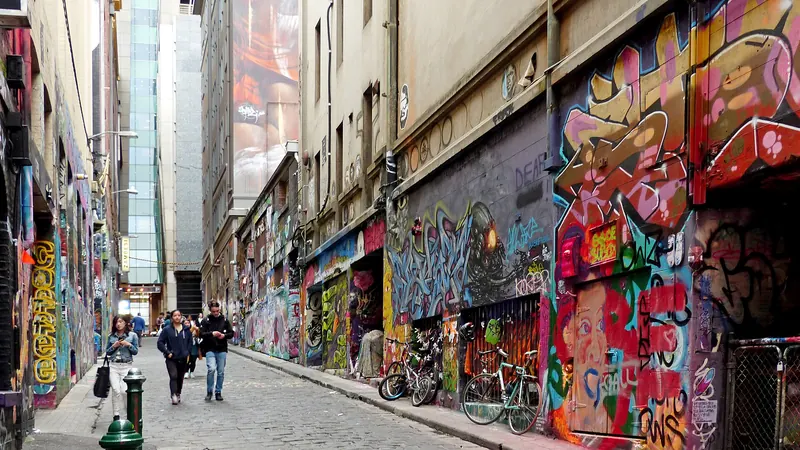
  1. Colourful street art covering the walls of Hosier Lane in Melbourne

    The laneways and Hosier Lane

    The heart of the city's street art scene, with constantly changing murals and stencils. Nearby laneways such as Degraves Street and Centre Place have cafés and bars.

    Tip Explore in the morning, when it is quiet.

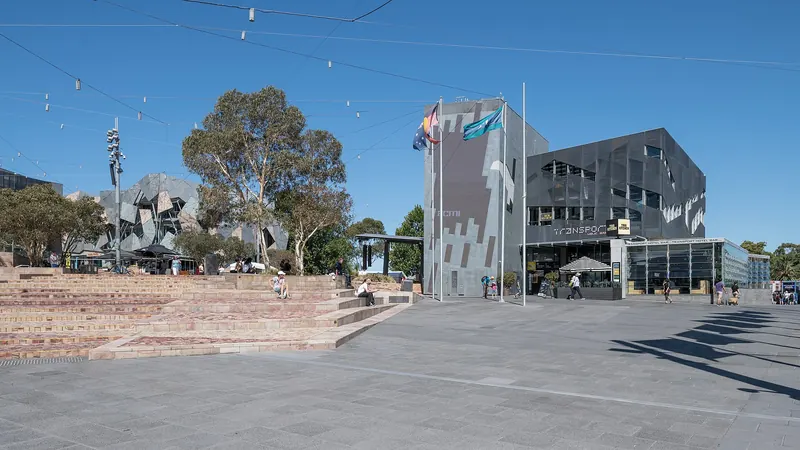
  2. The angular buildings and paved plaza of Federation Square in Melbourne

    Federation Square

    The city's civic centre, opposite Flinders Street Station, with the Ian Potter Centre for Australian art, the Australian Centre for the Moving Image and events.

    Tip Walk across to the Yarra River.

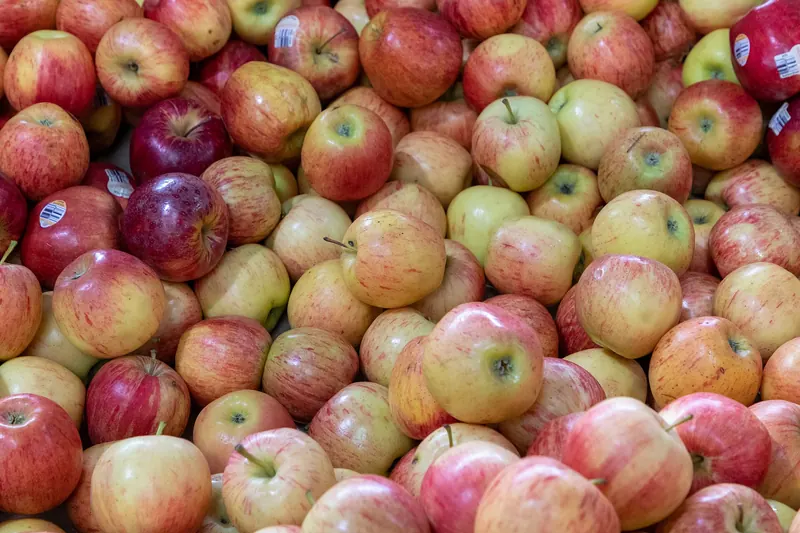
  3. Stalls and canopies at the Queen Victoria Market in Melbourne

    Queen Victoria Market

    A huge open-air market dating from 1878, with fresh produce, delicatessens, souvenirs and street food. The night market runs on summer Wednesdays.

    Tip Check opening days, as it is closed on Mondays and Wednesdays.

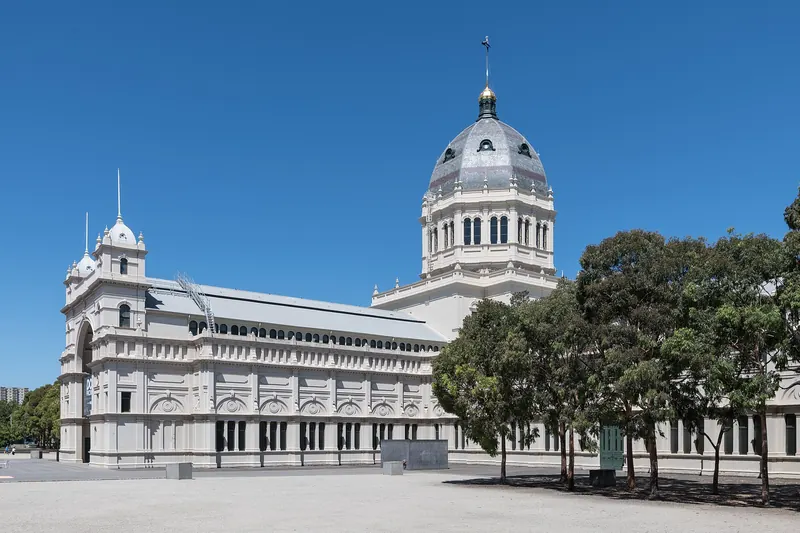
  4. The domed Royal Exhibition Building in the Carlton Gardens in Melbourne

    The Royal Exhibition Building

    A Victorian exhibition hall built in 1880, set in the Carlton Gardens, and inscribed by UNESCO in 2004 as the first building in Australia to get World Heritage listing.

    Tip Combine with the Melbourne Museum next door.

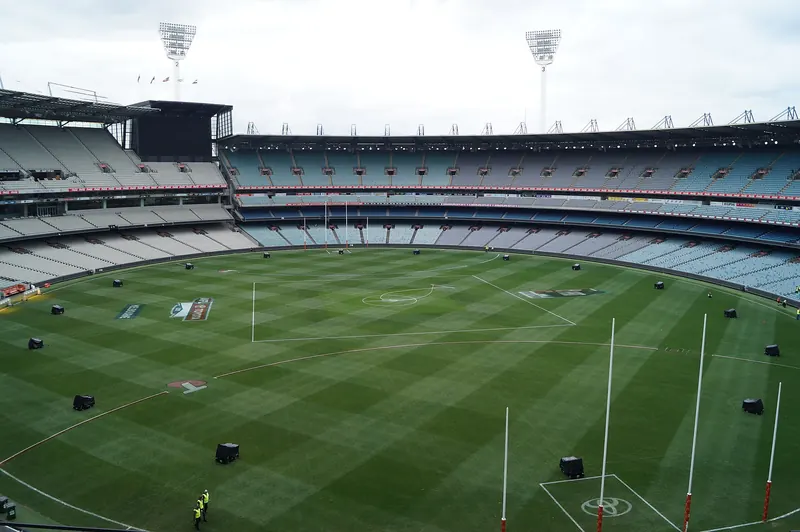
  5. The Melbourne Cricket Ground, the huge sports stadium in Melbourne

    The Melbourne Cricket Ground

    The 'MCG', one of the world's great stadiums, with a capacity of about 100,000. It hosts Australian Rules football and cricket, and tours run on non-event days.

    Tip Try to see an AFL game in season.

  6. The National Gallery of Victoria

    Australia's oldest and most visited art museum, with international and Australian collections.

    Tip Free entry to the main collection.

Things to do

Best things to do in Melbourne

Melbourne rewards wandering, eating and picking up the local rhythm.

  1. Ride a tram

    The city's trams are part of its character, and the free city circle tram runs past many sights.

    Tip Use a myki card or contactless payment.

  2. Have coffee in a laneway

    Sit in a tiny café and try a flat white or a long black.

    Tip Try Degraves Street and Centre Place.

  3. See an AFL game

    Australian Rules football is a passion, and a match at the MCG is an unforgettable experience.

    Tip Book ahead for major games.

  4. Take a street art tour

    Guided walks explain the murals and the artists.

    Tip Book a morning tour.

  5. Visit the Yarra Valley

    A day trip to wineries, cheese and chocolate producers, about an hour away.

    Tip Go with a driver or a tour.

  6. See the Penguin Parade

    Little penguins come ashore at dusk at Phillip Island, about 1.5 hours away.

    Tip Book tickets in advance.

Local food

What to eat in Melbourne

Melbourne's dining is diverse, driven by immigration, with a cafe culture and excellent produce.

  • Coffee

    Melbourne's espresso culture is famous, with flat whites, long blacks and magics.

    Where to try it Laneway cafés across the CBD and suburbs.

  • Brunch

    Elaborate breakfast and lunch dishes of eggs, avocado, mushrooms and more.

    Where to try it Fitzroy, Collingwood and South Yarra.

  • Greek and Italian food

    Melbourne has one of the largest Greek populations outside Greece, and long-established Italian restaurants on Lygon Street.

    Where to try it Lonsdale Street and Lygon Street.

  • Vietnamese food

    Pho, banh mi and rice paper rolls in Richmond and Footscray.

    Where to try it Victoria Street, Richmond.

  • Dim sum and Chinese food

    Melbourne's Chinatown is the oldest in Australia.

    Where to try it Little Bourke Street.

  • Victorian wine and cheese

    Pinot noir, chardonnay and local cheeses from the nearby valleys.

    Where to try it Bars and markets.

Accommodation

Where to stay in Melbourne

Stay in the CBD or one of the inner suburbs, which are all connected by tram.

  • The CBD and Southbank

    Hotels close to the laneways, Federation Square and the river.

    Best for: Sights and transport

  • Fitzroy and Carlton

    Boutique hotels and apartments, north of the CBD.

    Best for: Cafés and nightlife

  • St Kilda

    A seaside suburb with a pier and penguins.

    Best for: The beach

What a night costs

Budget hostel or hotel
A$70–150 per night
Mid-range hotel
A$200–350 per night
Luxury hotel
A$400–800 per night
Meal at a mid-range restaurant
A$35–65 per person

Transport

Getting to and around Melbourne

Melbourne is Australia's second international gateway.

Getting there

  • Flight to Melbourne (MEL)

    Direct flights from Asia, Oceania and via hubs from Europe and North America.

    SkyBus takes about 25 minutes to the city.

  • Flight from Sydney

    About 1 hour 30 minutes, one of the busiest routes in the world.

    Frequent departures.

  • Ferry from Tasmania

    An overnight ferry runs from Melbourne to Devonport in Tasmania.

    Book ahead.

Getting around

Trams, trains and walking cover the city.

  • Trams

    The largest tram network in the world, connecting the CBD and suburbs.

    Pay with a myki card or contactless.

  • Trains

    Suburban trains and regional services.

    Use Flinders Street as a hub.

  • Walking

    The CBD and laneways are walkable.

    Check for road works.

When to go

Best time to visit Melbourne

Melbourne has a changeable temperate climate, with hot summers, mild autumns and springs, and cool winters.

  • Autumn (March–May)

    Best time

    Mild, settled weather and the Comedy Festival.

  • Winter (June–August)

    Good

    Cold and grey, but cosy, with football season and fewer visitors.

  • Spring (September–November)

    Best time

    Warmer, with the Melbourne Cup in early November.

  • Summer (December–February)

    Good

    Warm to hot, with the Australian Open in January. Some days are extremely hot.

Worth planning around: Very hot days in January and February, and the busiest event weekends if you want quiet.

Itinerary

Three days in Melbourne

Laneways and landmarks, markets and sport, and a day out of town.

  1. Day1

    The centre

    Laneways and architecture.

    • Morning Flinders Street Station and Federation Square.
    • Afternoon The laneways and Hosier Lane.
    • Evening Dinner in Chinatown.
  2. Day2

    Markets and sport

    Food and the MCG.

    • Morning Queen Victoria Market.
    • Afternoon The Royal Exhibition Building or the MCG.
    • Evening Dinner in Fitzroy.
  3. Day3

    Out of town

    Wine or penguins.

    • Morning The Yarra Valley or Phillip Island.
    • Afternoon A winery or the beach.
    • Evening Return to the city.

Travel tips

Melbourne travel tips

A few tips help you enjoy Melbourne.

  • Use a myki card or contactless payment for trams and trains.
  • Carry layers and an umbrella. The weather changes quickly.
  • Book popular restaurants in advance.
  • Explore the laneways in the morning, when they are quiet.
  • Take the free City Circle tram for an easy tour.
  • Book AFL and event tickets early.
  • Allow a full day for the Great Ocean Road.

FAQ

Melbourne: frequently asked questions

How many days do you need in Melbourne?

Three days for the city, and a fourth for the Great Ocean Road or a wine valley.

Melbourne or Sydney?

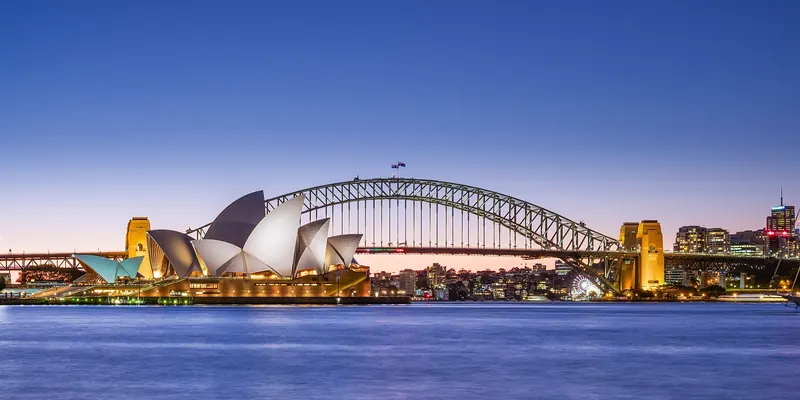
Sydney has the harbour and beaches, and Melbourne has coffee, food and culture. Many visitors do both.

What is the weather like?

Changeable. Bring layers at any time of year.

Can I see the Great Ocean Road in a day?

It is possible on a long tour, about 12 hours. An overnight stay is much better.

Is Melbourne safe?

Yes, with normal precautions, particularly at night in the CBD.

What is the best time to visit?

March to May and September to November.

Read next

Related travel articles

Food

A Country-by-Country Food Primer

Eating well abroad is mostly a matter of knowing when meals happen, how the menu is structured and which dish belongs to the place you are standing in. This covers all three for the five countries in this guide, plus the signals that separate a restaurant that feeds locals from one that feeds coaches.

Budgeting

What a Week Actually Costs in Five Countries

Most travel budgets fail for the same reason: they estimate the flight and the hotel accurately and then guess at everything else. This is a per-day breakdown for the five countries in this guide at three levels of comfort, plus the costs people consistently forget — tourist tax, ZTL fines, resort fees, tipping and the price of a coffee sitting down.

Advertisement