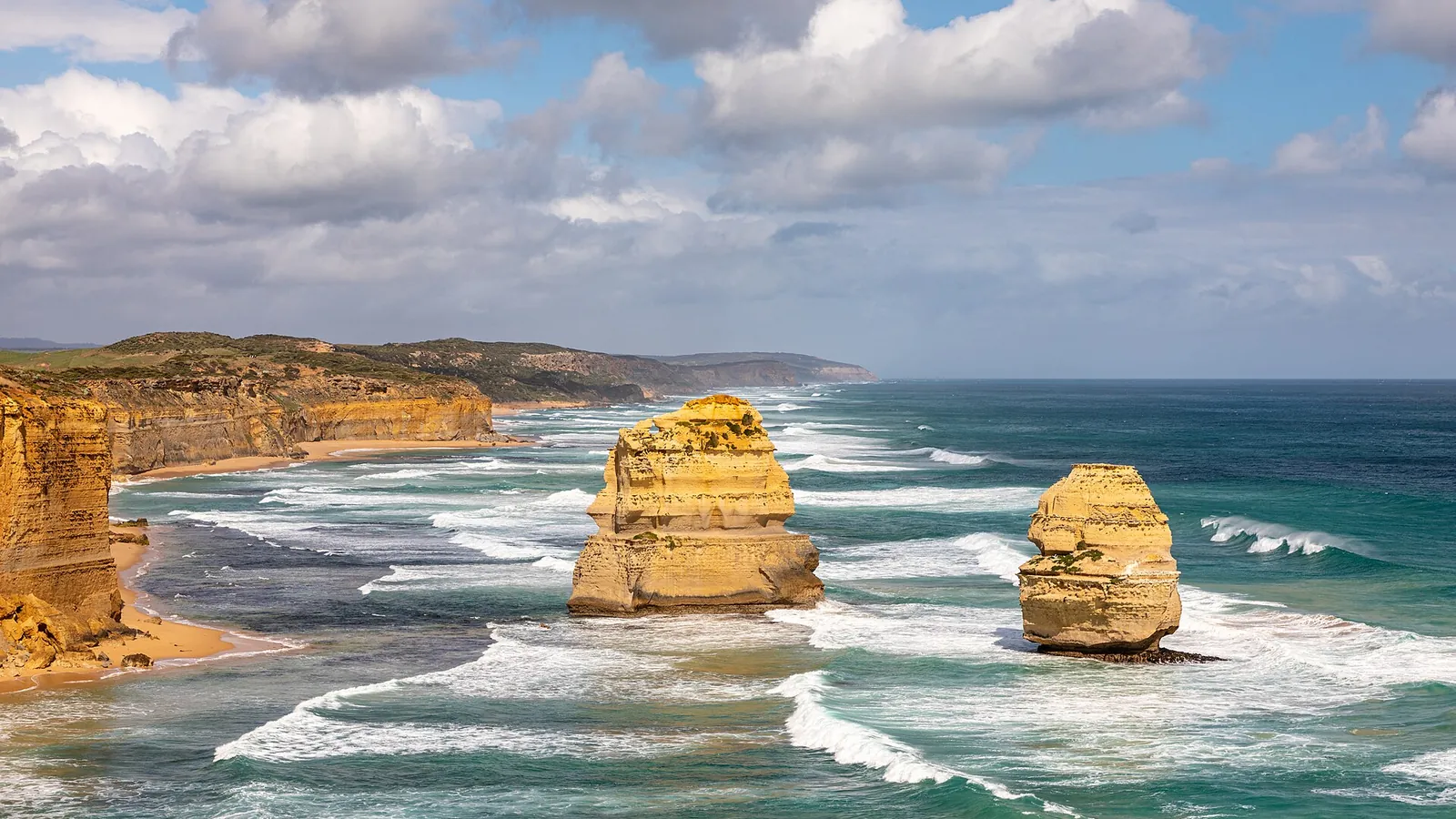
The Twelve Apostles limestone stacks rising from the sea off the Victorian coast

Victoria, south-west coast · Australia

The Great Ocean Road

A 243-kilometre coastal drive of surf beaches, rainforest and limestone stacks rising from the Southern Ocean, and one of the world's great road trips.

  • Best time December–April
  • Stay 2 days
  • Good for Road trips, coastal scenery, walking, wildlife, photography

Photo: Dietmar Rabich · CC BY-SA 4.0

Welcome to the Great Ocean Road

The Great Ocean Road runs for about 243 km along Victoria's south-west coast, from Torquay to Allansford. It was built between 1919 and 1932 by returned soldiers of the First World War, as a memorial to their fallen comrades, and it is often called the world's largest war memorial. The road hugs cliffs and beaches, and is a slow, winding drive that is as much about the stops as the destination.

The route passes surf beaches such as Bells Beach, seaside towns such as Lorne and Apollo Bay, the temperate Otway rainforest with waterfalls and tall trees, and finally the spectacular Shipwreck Coast, where limestone cliffs and stacks have been carved by the Southern Ocean. The best-known are the Twelve Apostles, though fewer than a dozen stacks now remain, and one collapsed in 2005.

Many visitors do it as a long day trip from Melbourne, which is tiring, and it is much better with a night or two on the road. Koalas in the trees at Kennett River, whales offshore in winter, and small fishing towns make it rewarding for those who take their time.

  • Scenic Region
  • Coast & Beaches
  • National Park
  • Nature & Wildlife

Why visit

Why visit the Great Ocean Road?

It is one of the most scenic drives in the world, and easy to reach from Melbourne.

  • The Twelve Apostles

    A group of limestone stacks in the sea, at their best at sunrise and sunset.

  • Dramatic coastline

    Cliffs, gorges, arches and sea stacks along the Shipwreck Coast.

  • Rainforest and waterfalls

    The Otway Ranges have giant trees, ferns and tumbling falls.

  • Wildlife

    Wild koalas, kangaroos, and whales in the winter months.

  • Small seaside towns

    Lorne, Apollo Bay and Port Fairy for seafood and a slower pace.

Main attractions

Top things to see in the Great Ocean Road

The route is best in stages, with stops for scenery and walks.

  1. The Twelve Apostles

    Limestone stacks standing off the cliff line near Port Campbell, best seen from the boardwalks and viewing platforms. Helicopter flights are available.

    Tip Go at sunrise or late afternoon, when tour buses are fewer.

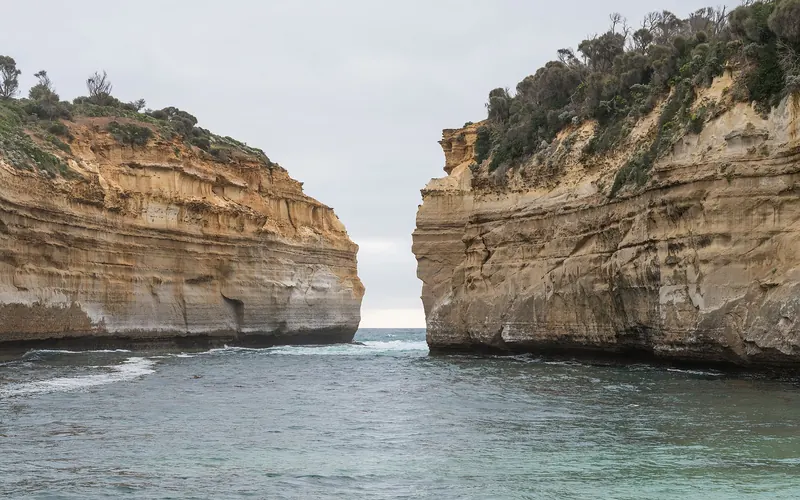
  2. The sheltered beach and cliffs of Loch Ard Gorge on the Victorian coast

    Loch Ard Gorge

    A gorge with a small beach and dramatic cliffs, named after a ship wrecked in 1878. Only two of the 54 people on board survived.

    Tip Walk down to the beach.

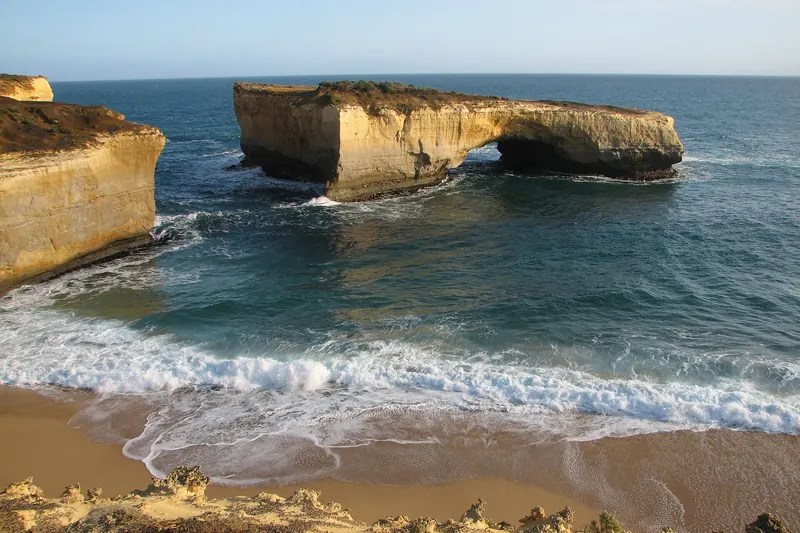
  3. The limestone arch known as London Arch on the Great Ocean Road

    London Arch

    A natural limestone arch formerly known as London Bridge, whose span collapsed in 1990, stranding two visitors on the outer section, who were rescued by helicopter.

    Tip See it on the same stop as the Grotto.

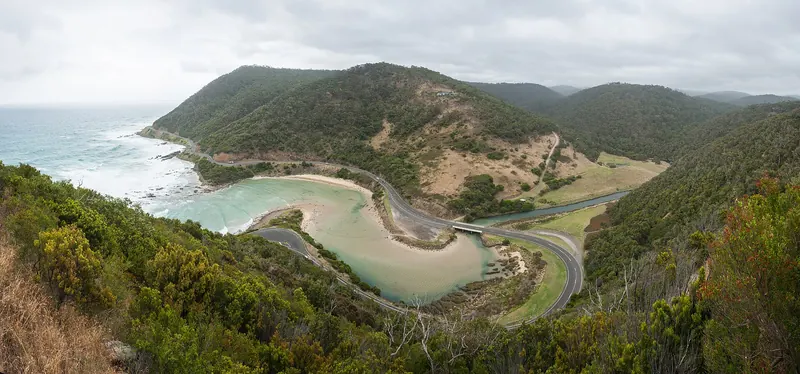
  4. The Great Ocean Road curving along the coast near Lorne

    Lorne and the Otway Ranges

    Lorne is a popular beach town with waterfalls in the hinterland, including Erskine Falls, and the Otway rainforest inland, with the Otway Fly Treetop Walk.

    Tip Stay a night.

  5. Kennett River koalas

    A short stretch of road where koalas are often seen in gum trees, along with colourful parrots.

    Tip Look up, and do not feed the birds.

  6. Bells Beach

    One of the most famous surf breaks in the world, near Torquay, home of the Rip Curl Pro surfing competition.

    Tip Visit the Australian National Surfing Museum in Torquay.

Things to do

Best things to do in the Great Ocean Road

The road is the experience, with time for walks, wildlife and food.

  1. Drive the coast

    Take the route slowly, stopping at lookouts.

    Tip Allow twice as long as the drive time.

  2. Watch sunrise or sunset at the Apostles

    The stacks glow in the low light, and crowds are thinner.

    Tip Stay nearby to avoid driving in the dark.

  3. Walk in the Otway rainforest

    Short walks to waterfalls, or the treetop walk in the canopy.

    Tip Bring a rain jacket.

  4. Look for koalas at Kennett River

    See wild koalas in eucalypts near the road.

    Tip Go in the morning.

  5. Try surfing at Torquay

    Lessons are available at the surf beaches.

    Tip Book a lesson.

  6. Whale-watch in winter

    Southern right whales come to Warrnambool from May to September.

    Tip Look from the Logans Beach viewing platform.

Local food

What to eat in the Great Ocean Road

The Great Ocean Road has excellent seafood and local produce, and small-town cafés.

  • Fresh seafood

    Crayfish, scallops, abalone and fish and chips at harbour-side cafés.

    Where to try it Apollo Bay and Port Fairy.

  • Local dairy and cheese

    Cheese and milk from the nearby dairy farms.

    Where to try it Cafés in the hinterland.

  • Cool-climate wine

    Pinot noir and chardonnay from the Otways and Geelong.

    Where to try it Cellar doors near Torquay.

  • Craft beer

    Small breweries in Apollo Bay and Torquay.

    Where to try it Local pubs.

  • Bakery pies

    Hearty meat pies from coastal bakeries.

    Where to try it Small-town bakeries.

Accommodation

Where to stay in the Great Ocean Road

Small towns along the route offer everything from motels to boutique stays.

  • Lorne

    A lively seaside resort with many options.

    Best for: Beaches and cafés

  • Apollo Bay

    A relaxed harbour town.

    Best for: A base for the Otways

  • Port Campbell

    A small town near the main sights.

    Best for: The Twelve Apostles

What a night costs

Budget motel or campsite
A$70–160 per night
Mid-range hotel
A$180–320 per night
Boutique hotel
A$350–700 per night
Meal at a local restaurant
A$25–50 per person

Transport

Getting to and around the Great Ocean Road

The road starts about 100 km south-west of Melbourne.

Getting there

  • Hire car from Melbourne

    About 1.5 hours to Torquay and about 4.5 hours to the Twelve Apostles without stops.

    The best option.

  • Organised tour

    Day tours run from Melbourne, and multi-day tours are available.

    A long day, but easy.

  • Train to Geelong and a car

    Trains reach Geelong, and buses continue to the coast.

    Limited services.

Getting around

A car is the best way, and the road is slow.

  • Car

    Winding, narrow roads with limited overtaking.

    Drive on the left, and take breaks.

  • Tour

    Guides handle driving.

    Pick a small group.

  • Walking

    Short walks at the main stops.

    Bring layers.

When to go

Best time to visit the Great Ocean Road

The south coast has a cool, changeable climate, with rain and wind in winter and pleasant summers.

  • Summer (December–February)

    Best time

    Warm, dry and busy, with long days.

  • Autumn (March–May)

    Best time

    Settled weather and fewer people.

  • Winter (June–August)

    Quiet

    Cold, wet and stormy, but with whales and dramatic seas.

  • Spring (September–November)

    Good

    Wildflowers and variable weather.

Worth planning around: Summer weekends and school holidays, when the road is busy.

Itinerary

Two days on the Great Ocean Road

The first half on the first day, and the Shipwreck Coast on the second.

  1. Day1

    Torquay to Apollo Bay

    Surf and rainforest.

    • Morning Bells Beach and Torquay.
    • Afternoon Lorne and a waterfall.
    • Evening Dinner at Apollo Bay.
  2. Day2

    The Shipwreck Coast

    Rocks and sunset.

    • Morning Kennett River koalas and the Otways.
    • Afternoon The Twelve Apostles and Loch Ard Gorge.
    • Evening Sunset, then return.

Travel tips

The Great Ocean Road travel tips

A few tips make the drive better.

  • Stay overnight rather than doing a day trip.
  • Drive slowly, and use pull-outs to let others pass.
  • Take breaks. Fatigue is a hazard on winding roads.
  • Visit the Apostles at sunrise or late afternoon.
  • Stay on the boardwalks and paths near cliffs.
  • Fill up with fuel in the larger towns.
  • Bring layers, since the coast is windy.

FAQ

The Great Ocean Road: frequently asked questions

How long does the Great Ocean Road take?

The drive takes about 5 to 6 hours from Torquay to Allansford without stops. Allow two days.

Can I do it as a day trip from Melbourne?

Yes, but it is a long day of about 12 hours. It is better with a night on the way.

Are there really twelve apostles?

There were never twelve, and fewer than a dozen stacks remain. One collapsed in 2005.

What is the best time to visit?

December to April for weather. Winter has whales but is wet.

Do I need a car?

It is best, but tours are available.

Can I swim on the Great Ocean Road?

At patrolled beaches such as Lorne, yes. Many beaches have strong currents and no lifeguards.

Read next

Related travel articles

Road trips

How to Plan a US National Parks Road Trip

American national parks are no longer places you turn up at. Timed entry, permit lotteries and mandatory shuttles now govern the popular ones, and the distances between them are larger than almost any visitor expects. Here is how to plan around both.

Practical

Packing by Season and Trip Type

Most packing advice is a list of things. This is the opposite: the small number of decisions that determine whether your luggage helps or hinders, organised by the kind of trip you are actually taking.

Advertisement