Welcome to the Grand Canyon
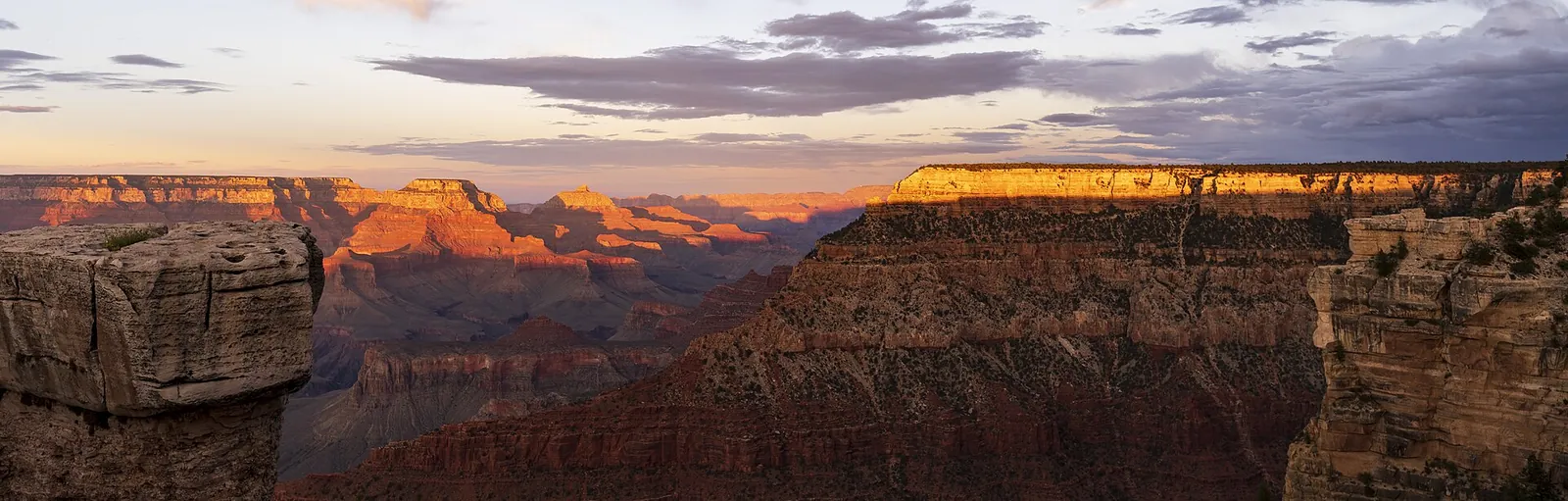
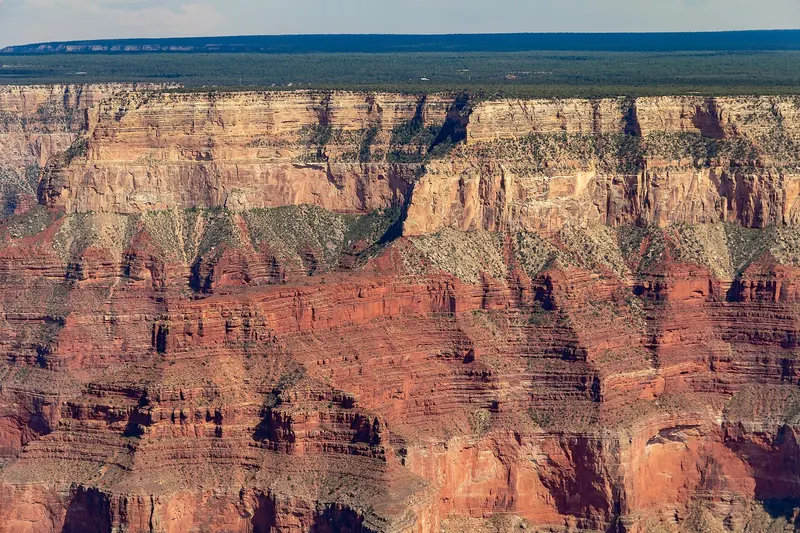
There is a specific thing that happens when people first reach the Grand Canyon rim, which is that they cannot see it properly. The scale is outside normal experience — 29 kilometres across at its widest, 1,800 metres deep, with buttes inside it that would be significant mountains anywhere else — and the eye initially reads it as a flat painted backdrop. It takes about twenty minutes of standing there for the depth to resolve.
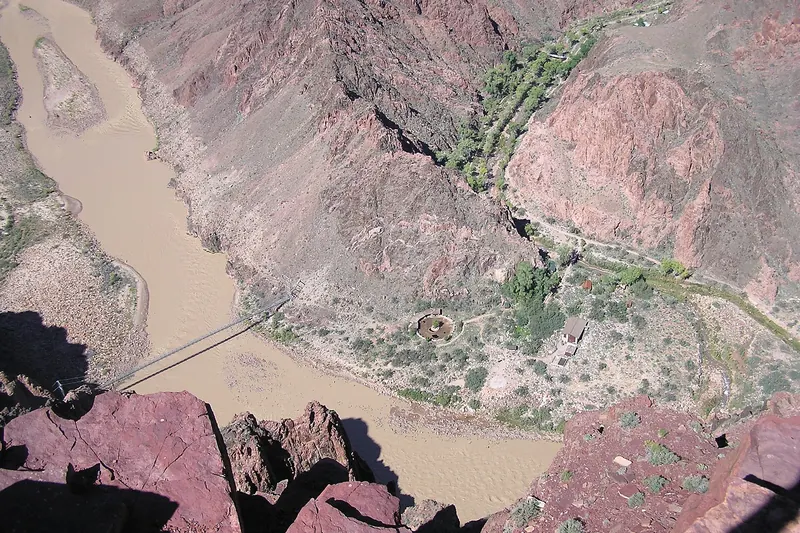
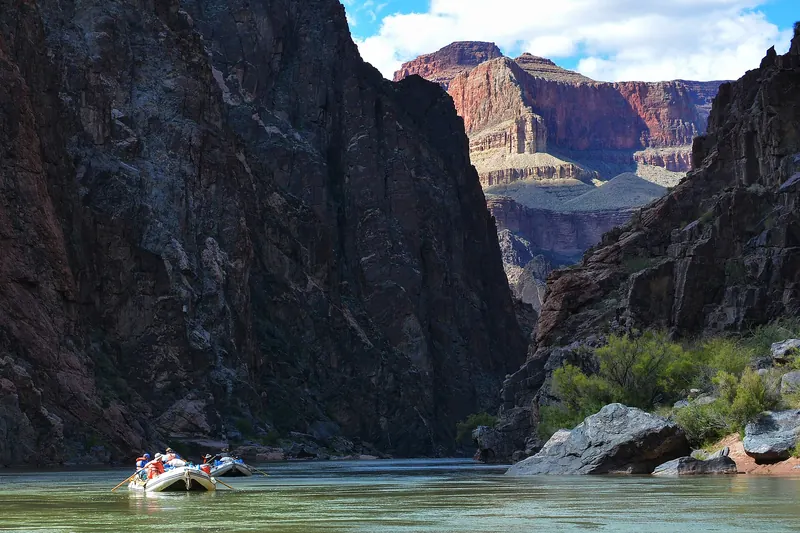
The geology is the other thing worth knowing before you arrive, because it changes what you are looking at. The rock exposed at the bottom of the canyon is around 1.8 billion years old, roughly 40% of the age of the earth. The layers above it record hundreds of millions of years of seabeds, deserts and swamps, stacked visibly. The Colorado River carved through all of it in perhaps six million years, which is recent.
Practically, the canyon has two rims and they are very different propositions. The South Rim is open all year, has the infrastructure, the shuttle system and around 90% of the six million annual visitors. The North Rim is 300 metres higher, forested, far quieter, and closed by snow from mid-October to mid-May. They are sixteen kilometres apart across the canyon and 350 kilometres apart by road.
- National Park
- Nature & Wildlife
- UNESCO Site
- Scenic Region