Welcome to Hama
Hama sits in a valley on the Orontes River, about 210 kilometres north of Damascus. The site has been settled since at least the Neolithic, and the citadel mound in the middle of the city holds layers back to the Bronze Age. In the Old Testament it appears as Hamath, the capital of a small Aramaean kingdom, and it was later a Seleucid, Roman, Byzantine and Islamic town.
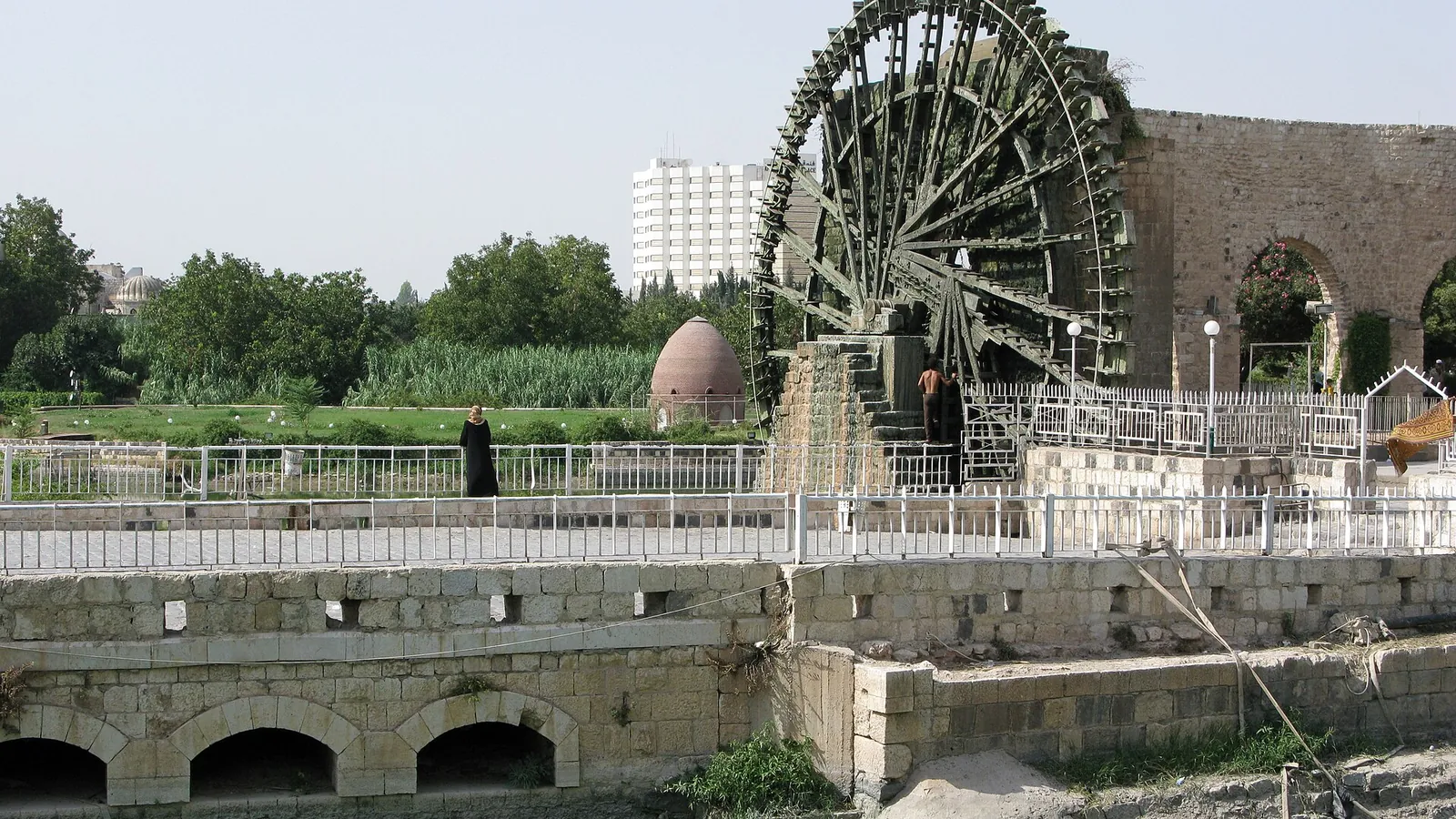
Its most famous feature is the norias, huge wooden waterwheels, of which about seventeen survive along the river in the centre of the city. The Orontes flows below the level of the surrounding land, and the wheels, up to about 20 metres in diameter, were turned by the current and used to lift water into aqueducts that irrigated gardens and supplied the city. They were built and rebuilt over many centuries, mostly from the Mamluk and Ottoman periods, and they made a distinctive creaking sound that became a symbol of the city.
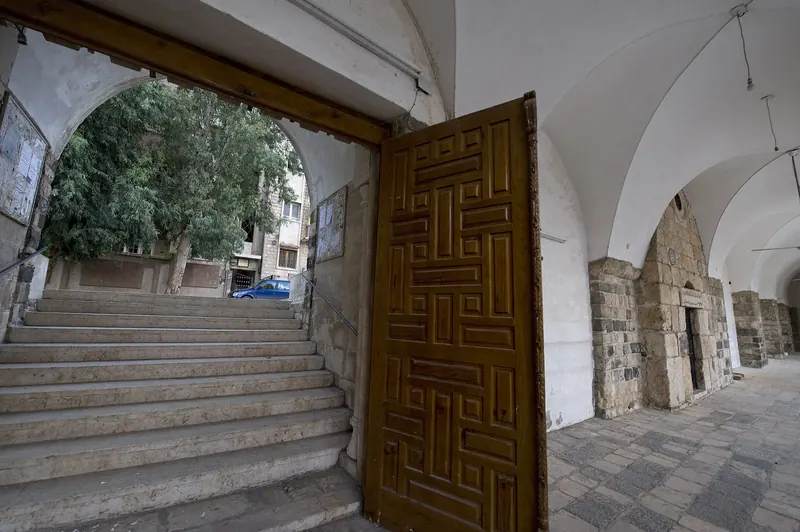
Hama also has an 18th-century Ottoman palace, the Azm Palace, a Great Mosque built on a Roman temple and Byzantine church, and an old quarter that was largely destroyed in 1982, when the government of Hafez al-Assad crushed an uprising by the Muslim Brotherhood, killing thousands of people. Hama was again the scene of protest in 2011 and of conflict in the war, and fell to opposition forces in December 2024. This page describes the city's history and heritage, and is not a guide to visiting.
- Historic Site
- Culture & Arts