Welcome to the Dead Cities
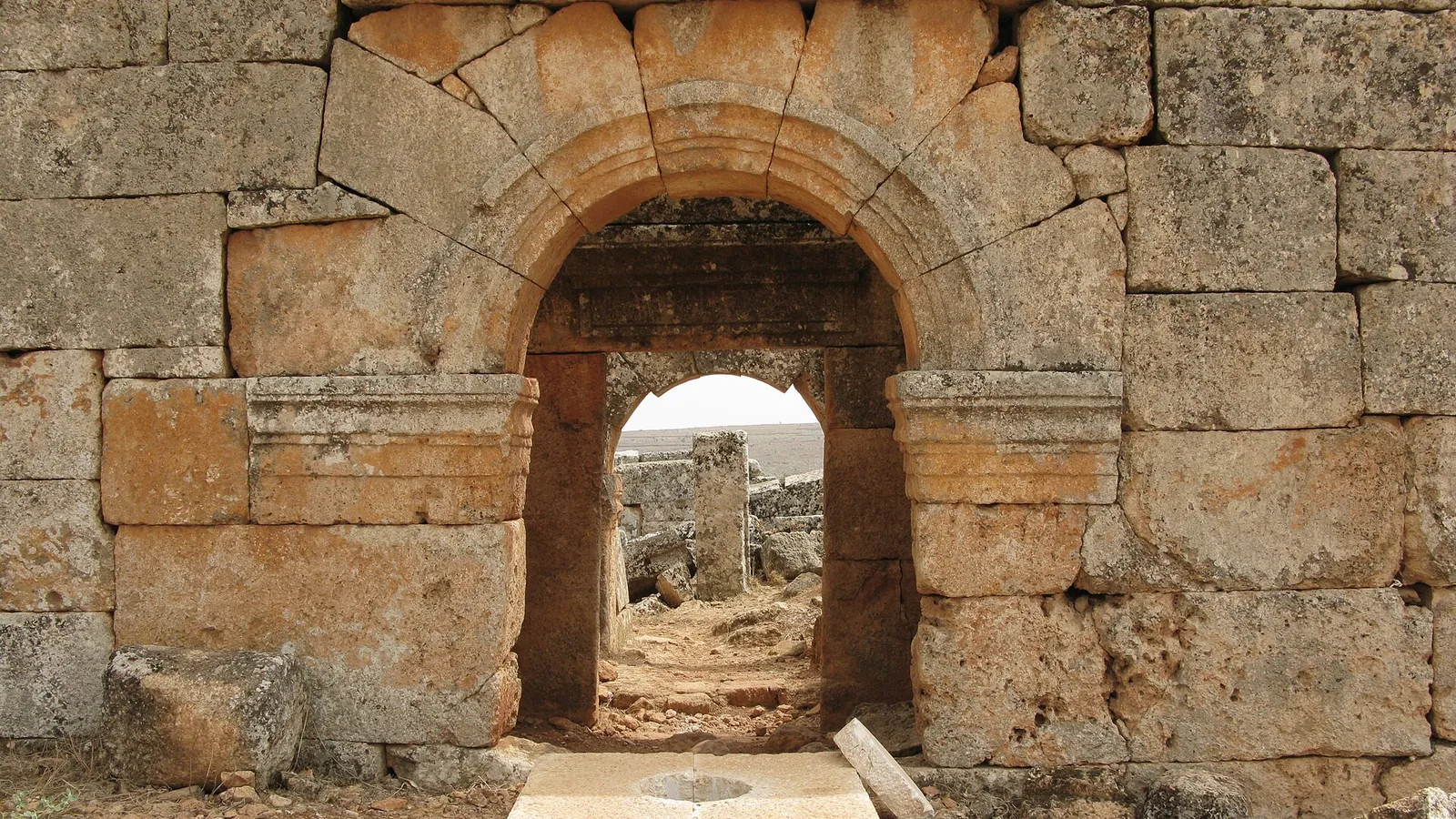
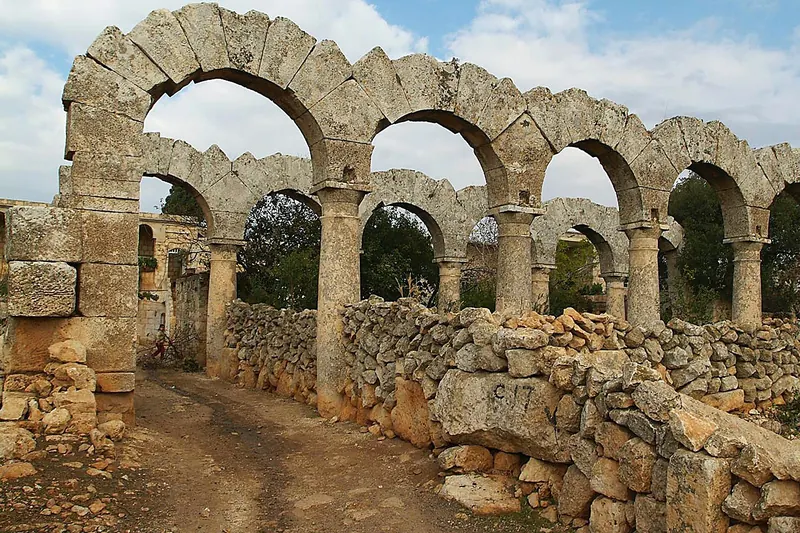
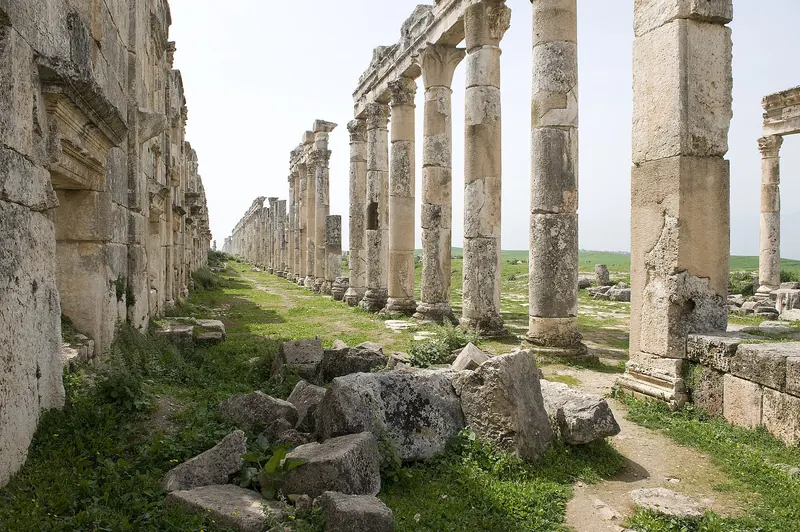
In north-western Syria, between Aleppo and Idlib, a high limestone plateau is dotted with the ruins of villages that were prosperous farming communities from the 1st to the 7th centuries CE. Known as the Dead Cities, or the Ancient Villages of Northern Syria, about forty of them survive in eight archaeological parks, and UNESCO listed them as a group in 2011. They lie in the region known as the Limestone Massif, in the hills of Jebel Zawiye, Jebel Barisha and Jebel Sem'an.
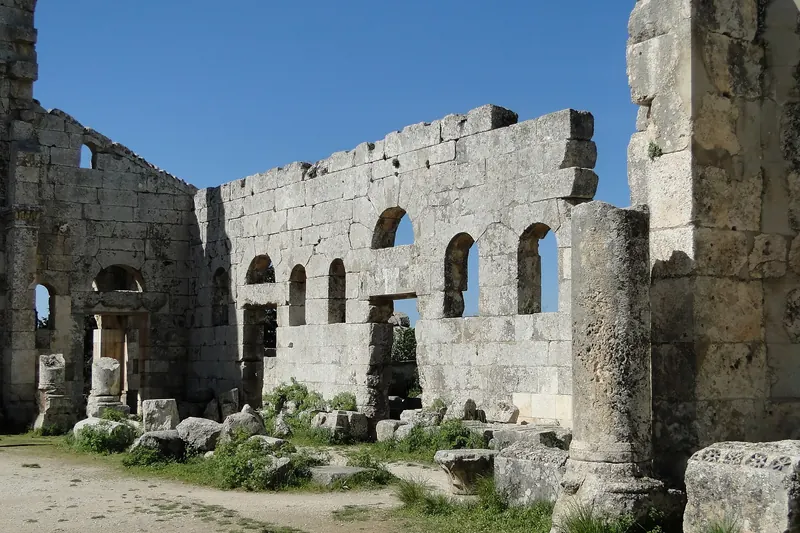
The villages were built of local limestone, without mortar, and many of their houses, churches, bath-houses, tombs, olive presses and even fences still stand to roof height. Their prosperity came from olive oil and wine, exported across the Roman and Byzantine world, and they were abandoned gradually between the 8th and 10th centuries, probably as a result of Persian and Arab invasions and changes in trade routes, and were left almost untouched. They give a unique picture of rural life and of the shift from paganism to Christianity.
The best known include Serjilla, with its large houses and public bath, al-Bara, with its pyramid tombs and churches, Ruweiha, with a large basilica and tomb, and Qalb Loze, whose 5th-century church influenced Romanesque architecture. In the Jebel Sem'an area stands the church of Saint Simeon Stylites, built around the pillar on which the hermit lived for decades. Much of this region became a war zone, and it has been contested, bombed, occupied and looted. This page describes the heritage and its condition, and is not a guide to visiting.
- UNESCO Site
- Archaeology
- Historic Site