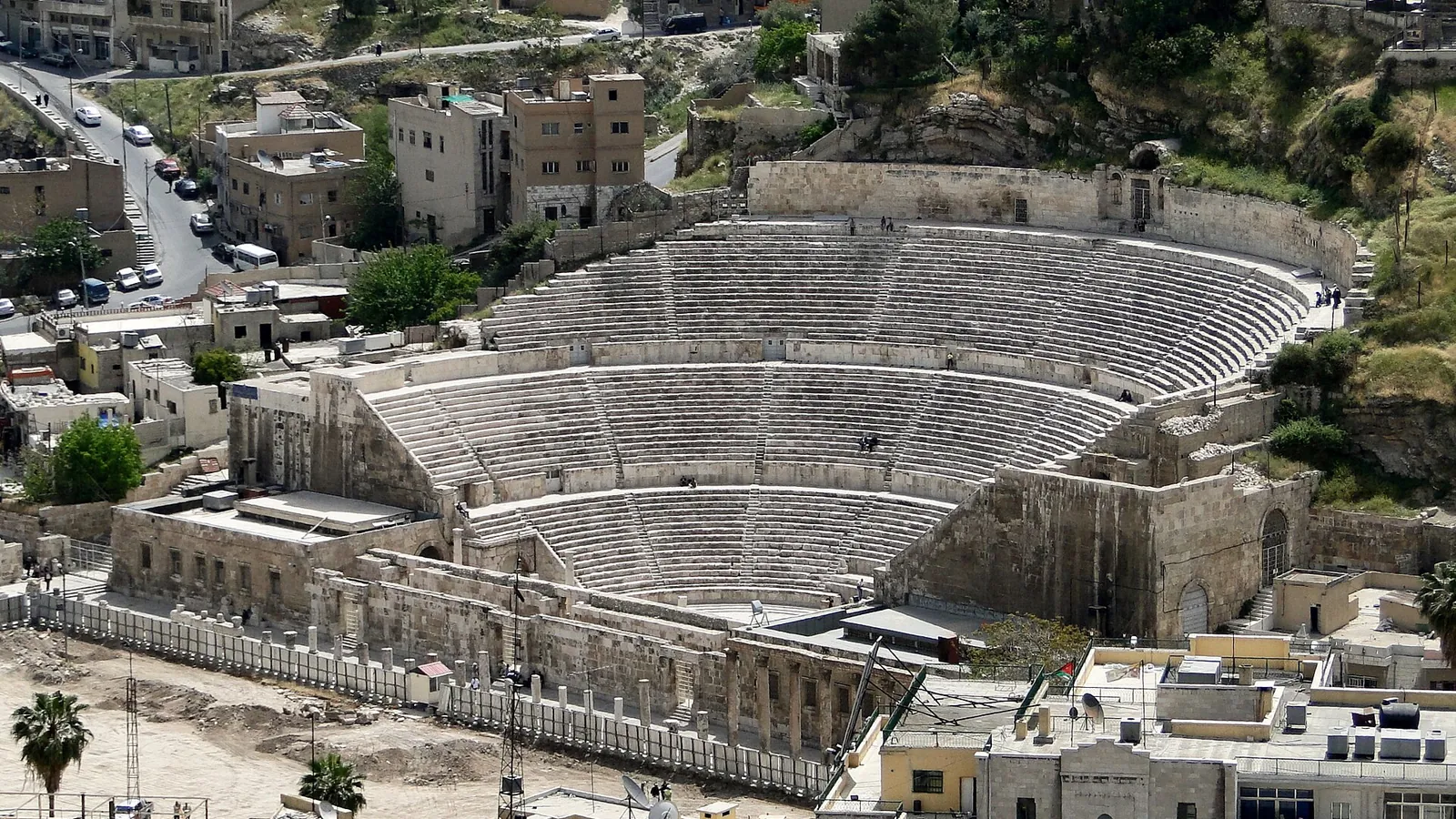
The steeply raked Roman Theatre in the centre of downtown Amman

Amman Governorate, central Jordan · Jordan

Amman

A hilly capital with a Roman theatre in the middle of downtown, a hilltop citadel and some of the best falafel in the Middle East.

  • Best time March–May and September–November
  • Stay 2 days
  • Good for Food, history, museums, a gateway city

Photo: Bernard Gagnon · CC BY-SA 4.0

Welcome to Amman

Amman is built on hills, and it began with a hill. The Citadel, Jabal al-Qal'a, has been occupied since the Bronze Age, and the city that grew below it was called Rabbath-Ammon, then Philadelphia under the Ptolemies and the Romans, and finally Amman. The Umayyads left a palace on the summit, and after centuries of neglect the city grew rapidly during the 20th century, as the capital of the new Hashemite kingdom and as a refuge for waves of people from across the region.

That history shows on the ground. A 6,000-seat Roman theatre sits in the middle of the old downtown, known as al-Balad, surrounded by souks, coffee shops and street-food stalls. Above it, the Citadel looks over a city that has spread across nineteen or so hills, and beyond it lie the cafés and galleries of Jabal Amman, Jabal al-Weibdeh and Abdoun.

Amman is not a beautiful city in the postcard sense, and it is not trying to be. It is a place to eat well, walk through layers of history, visit a good museum and get your bearings before heading to the desert, the Dead Sea or the north.

  • Capital City
  • Major City
  • Historic Site

Why visit

Why visit Amman?

Amman is the gateway to Jordan, and it is worth more than a night between flights.

  • A living Roman theatre

    The Roman Theatre dates from the 2nd century AD and is still used for concerts and events, with a small museum of Jordanian folklore in its wings.

  • The Citadel

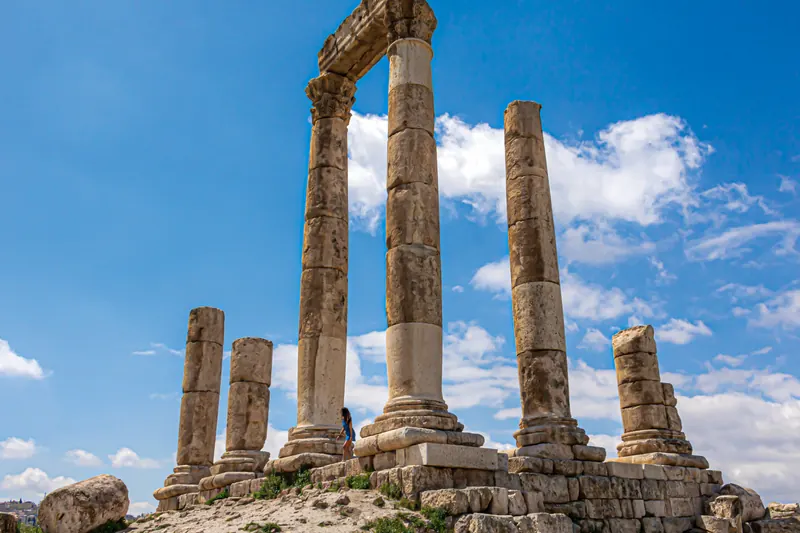
    A hilltop site with the remains of a Roman Temple of Hercules, a Byzantine church and an Umayyad palace complex, and the best viewpoint in the city.

  • Food that rewards curiosity

    Falafel, hummus, fuul, kunafa and mansaf are all done at a very high standard, and often cost less than a coffee elsewhere.

  • A real museum

    The Jordan Museum in Ras al-Ain displays some of the world's oldest known statues, the 9,000-year-old Ain Ghazal figures, along with fragments of the Dead Sea Scrolls.

  • A useful base

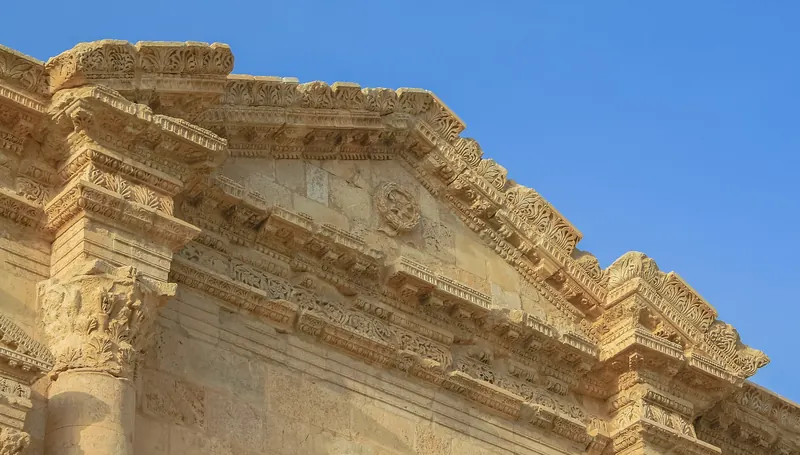
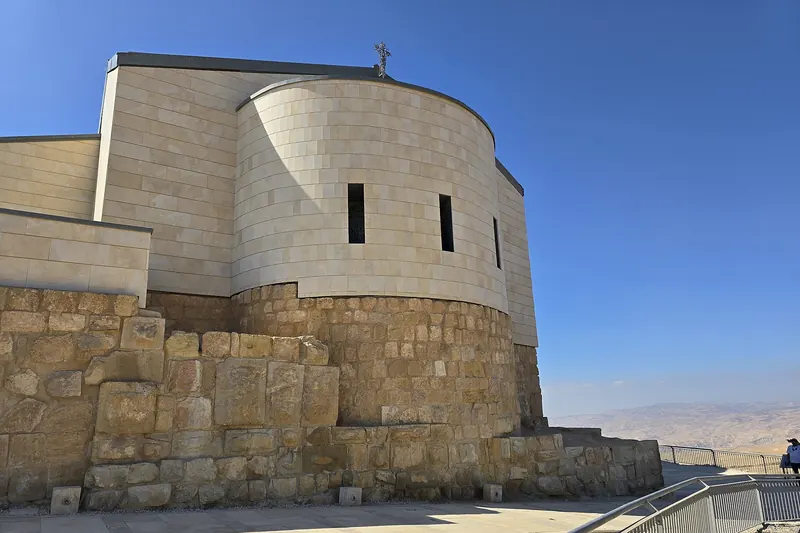
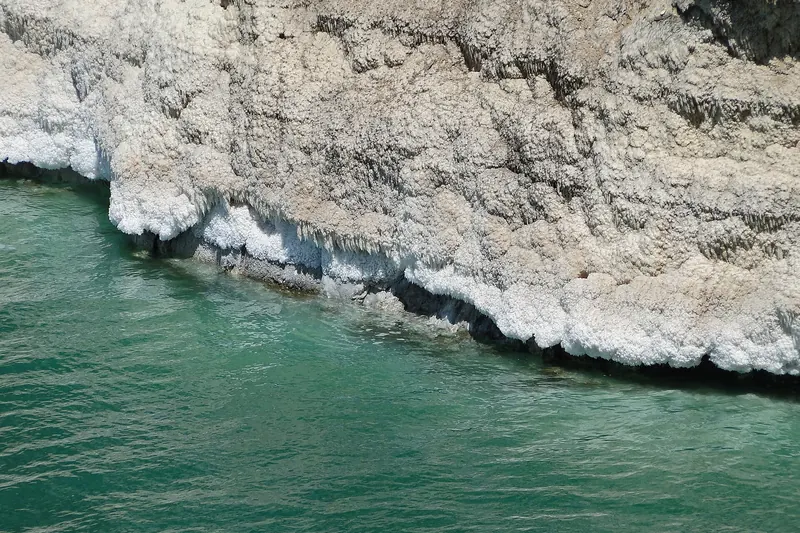
    Jerash, Madaba, Mount Nebo and the Dead Sea are all day trips of one to two hours, so you can stay in one hotel and go out each morning.

Main attractions

Top things to see in Amman

Downtown and the Citadel can be done in a day on foot, with the museum and Rainbow Street in the evenings or a second day.

  1. The columns of the Temple of Hercules on the Amman Citadel

    The Citadel (Jabal al-Qal'a)

    The hill above downtown, home to the giant columns of the Temple of Hercules, a small archaeological museum, the ruined Byzantine church and the 8th-century Umayyad Palace with its domed audience hall.

    Tip Go in the late afternoon for the light and the view, and combine it with the Roman Theatre before dinner.

  2. The Roman Theatre and Odeon

    A steeply raked theatre built in the 2nd century AD with room for around 6,000 people. A smaller Odeon sits alongside it, and two small museums are tucked into the wings.

    Tip Climb to the top for a panorama over downtown, and go early in the day to avoid the heat.

  3. Downtown (al-Balad)

    The old centre of the city, a maze of shops, coffee stalls and market streets around the Husseini Mosque. It is busy, loud, and the best place to eat, drink coffee and watch daily life.

    Tip Go in the evening, when the city comes out, and have a light stomach.

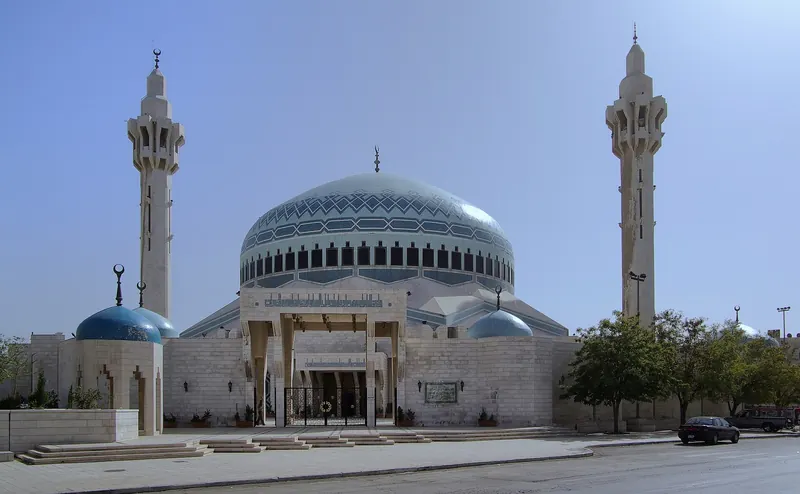
  4. The blue-domed King Abdullah I Mosque in Amman

    King Abdullah I Mosque

    A large mosque with a blue mosaic dome, built in the 1980s. Non-Muslim visitors can enter outside prayer times, and a small museum inside covers the history of Islam.

    Tip Dress modestly and remove your shoes. Women will be given a robe if needed.

  5. The Jordan Museum

    Jordan's national museum, with the Ain Ghazal statues, Dead Sea Scroll fragments including the Copper Scroll, and displays covering the country's history from the Stone Age to the present.

    Tip Allow two to three hours. It is a good place to visit before you go to Petra or Jerash.

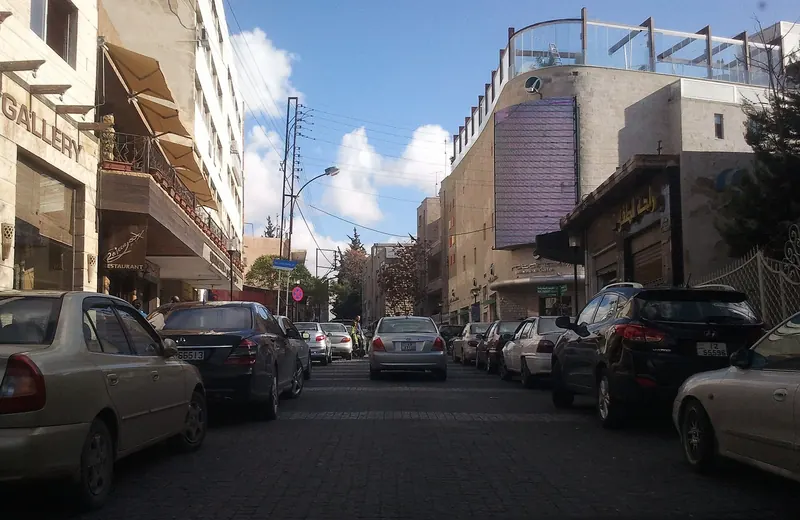
  6. Rainbow Street in Amman, lined with cafés and shops

    Rainbow Street

    A lively street on Jabal Amman with cafés, bookshops and restaurants, and a view over the old city. It is the most relaxed and international part of Amman.

    Tip Go in the evening, and look for the side streets and stairs down to the downtown.

  7. Jabal al-Weibdeh

    A hilltop neighbourhood of galleries, small cafés and murals, and the base for the city's arts scene. It is a good place for a quiet coffee and a walk.

    Tip Look for the murals on the stairs and the Darat al-Funun gallery.

Things to do

Best things to do in Amman

Amman rewards wandering and eating, and it is at its best in the evening.

  1. Eat falafel and hummus downtown

    Downtown holds several no-frills restaurants that serve the same menu of falafel, hummus, fuul and bread that they have served for decades, at tables that often spill into the alley.

    Tip Expect to queue at peak times, and order too much.

  2. Watch the sunset from the Citadel

    The view over the city at golden hour is the best in Amman, and the Temple of Hercules is stunning in the light.

    Tip Arrive an hour before sunset so you have time to see the museum first.

  3. Wander the souks

    The gold souk, the spice sellers, the vegetable market and the coffee sellers are all within a few streets of the theatre.

    Tip Bargain politely for anything that does not have a marked price.

  4. Try a Turkish-style bath or hammam

    A few traditional hammams operate in and around the city and offer a scrub and massage in a historic setting.

    Tip Book ahead and check whether there are separate times for men and women.

  5. Take a day trip

    Jerash is an hour north, the Dead Sea 45 minutes south-west, and Madaba and Mount Nebo about 40 minutes south. All are easy with a hire car or a driver.

    Tip Combine Madaba, Mount Nebo and the Dead Sea for a single long day.

  6. Have a coffee and a game of backgammon

    Traditional coffee houses across the city serve tea and coffee, and locals play cards, backgammon and dominoes for hours.

    Tip Try Turkish coffee, ask for it medium sweet, and do not stir it.

Local food

What to eat in Amman

Amman's food is the best introduction to Jordanian cooking. The city has an unusually high standard of cheap eating, and the real specialities are simple.

  • Falafel and hummus

    Crisp falafel, warm hummus with olive oil, fuul and fresh bread. The heart of a Jordanian breakfast and a classic lunch.

    Where to try it The old downtown, where crowded, no-frills places have served the same menu for decades.

  • Mansaf

    Lamb cooked in dried fermented yoghurt and served with rice and bread. Traditionally eaten on special occasions, and now in restaurants.

    Where to try it Traditional restaurants in Jabal Amman and Abdoun; ask for a half portion if you are alone.

  • Kunafa

    A warm cheese pastry soaked in syrup and topped with pistachio. It is eaten hot from the tray and often bought by weight.

    Where to try it Long-established sweet shops downtown.

  • Shawarma

    Marinated chicken or lamb carved from a spit into flatbread with garlic sauce and pickles. It is a cheap and ubiquitous street-food staple.

    Where to try it Stalls and small shops throughout the city.

  • Maqluba

    A one-pot dish of rice, chicken or lamb and vegetables, turned upside down onto a platter. It is a home-cooked favourite.

    Where to try it Home-style restaurants on the side streets of Jabal Amman.

  • Fresh juice and Arabic coffee

    Fresh-squeezed orange, pomegranate and carrot juice sold from stalls, and small cups of cardamom coffee in cafés.

    Where to try it Downtown stalls and any traditional café.

Accommodation

Where to stay in Amman

Choose between the atmosphere of downtown, the café culture of Jabal Amman and Weibdeh, and the polish of Abdoun and the western hotels. All are within 20 minutes of each other.

  • Downtown (al-Balad)

    Simple hotels and guesthouses within walking distance of the Roman Theatre and the souks. Noisy and busy, but the most authentic part of the city.

    Best for: Atmosphere and cheap food

  • Jabal Amman and Jabal al-Weibdeh

    Boutique hotels, cafés and galleries near Rainbow Street and the Weibdeh galleries, with easy access to downtown.

    Best for: Cafés, culture and walkability

  • Abdoun and western Amman

    Modern hotels, malls and restaurants. It is quieter and pricier and you will need taxis to get downtown.

    Best for: Comfort and business travel

What a night costs

Hostel or budget hotel
JD 15–35 per night
Mid-range hotel
JD 50–100 per night
Boutique or five-star hotel
JD 110–250 per night
Meal at a local restaurant
JD 3–10 per person

Transport

Getting to and around Amman

Amman is the main gateway to Jordan. Queen Alia International Airport is about 35 km south of the city.

Getting there

  • Queen Alia International Airport (AMM)

    The main international airport, with connections across Europe, the Gulf and beyond. Taxis and airport buses reach the city in about 40 minutes.

    The official airport taxi has a fixed price, and the Airport Express bus is cheaper.

  • JETT and intercity buses

    Comfortable air-conditioned coaches connect Amman with Petra, Aqaba and other cities. The JETT station is in Abdali.

    Book a day ahead in busy periods.

  • Car or private driver

    Amman is the hub for road trips to Jerash, Madaba, the Dead Sea and Petra. Hire cars are available at the airport and in the city.

    Collect the car on the way out of the city rather than in the centre, where traffic is hard.

Getting around

Amman is hilly and spread out, and public transport is limited. Taxis and ride-hailing apps are the practical choice.

  • Taxis and ride-hailing

    Yellow taxis are cheap and widely available, and ride-hailing apps such as Uber and Careem work well and avoid haggling.

    If you use a taxi, insist on the meter or agree a price first.

  • Walking

    Downtown and Rainbow Street are walkable, though the hills and the traffic make longer walks tiring. Stairs link the hills, and crossing roads requires care.

    Wear comfortable shoes, and avoid midday in summer.

  • Buses and BRT

    A bus rapid transit line and regular buses operate in the city, though they are aimed at commuters rather than visitors.

    For most tourists, taxis are easier.

When to go

Best time to visit Amman

Amman sits at about 900 m and has a mild climate compared with the south. It is pleasant for much of the year, with hot summers and cool, sometimes wet winters.

  • Spring (March–May)

    Best time

    Warm, sunny days and cool evenings. The hills are green after winter rain, and it is comfortable for walking.

  • Summer (June–August)

    Shoulder

    Hot by day but often cooler than the south, with dry heat and pleasant evenings. It is manageable if you plan for early mornings and long lunches.

  • Autumn (September–November)

    Best time

    Warm days and mild nights, with fewer crowds. Excellent for exploring on foot.

  • Winter (December–February)

    Quiet

    Cold and wet, with occasional snow. Bring a coat, and expect fewer visitors and lower prices.

Worth planning around: Public holidays and Ramadan afternoons, when many restaurants and shops close early or open later.

Itinerary

Two days in Amman

The Citadel, Roman Theatre and downtown on the first day, and the museum and neighbourhoods on the second. Assumes a hotel in Jabal Amman or downtown.

  1. Day1

    The old city

    History, food and sunset.

    • Morning Breakfast of falafel and hummus downtown, then the Roman Theatre and Odeon.
    • Afternoon The souks and a coffee, then a taxi up to the Citadel.
    • Evening Sunset at the Temple of Hercules and dinner on Rainbow Street.
  2. Day2

    Museums and neighbourhoods

    A slower day.

    • Morning The Jordan Museum in Ras al-Ain.
    • Afternoon Lunch in Jabal al-Weibdeh, its galleries and murals, and the King Abdullah I Mosque.
    • Evening Kunafa downtown and a stroll through the old centre.

Travel tips

Amman travel tips

Amman is an easy and friendly city, and a few habits help.

  • Use ride-hailing apps. They save haggling, and they avoid the risk of overcharging that can come with street taxis.
  • Eat downtown at least once, at a place with a queue. It is the best way to taste the city at a low price.
  • Wear comfortable shoes. The hills and the stairs are steeper than they look.
  • Visit the Citadel in the late afternoon. It is cooler, and the light is better.
  • Dress modestly when you leave the tourist areas, particularly downtown and in mosques.
  • Take cash. Small restaurants and street stalls do not accept cards.
  • Give yourself time for the traffic. Amman roads get very congested at rush hour and on Thursday and Friday evenings.
  • Take the museum seriously. The Jordan Museum is a good introduction to what you will see at Petra and Jerash.

FAQ

Amman: frequently asked questions

How many days do you need in Amman?

Two is enough for the Citadel, the Roman Theatre, downtown, the museum and a couple of good meals. Add extra days if you want to use the city as a base for Jerash, Madaba and the Dead Sea.

Is Amman safe?

Amman is generally regarded as safe for visitors, with low levels of violent crime. Normal precautions apply, particularly against pickpockets in crowded areas. Check your government's current travel advice.

What is the best area to stay in Amman?

Jabal Amman or Jabal al-Weibdeh for cafés, culture and walkability, or downtown for atmosphere and cheap food. Abdoun and western Amman suit those who want modern hotels.

Can I visit the King Abdullah I Mosque as a non-Muslim?

Yes, outside prayer times. Dress modestly, remove your shoes at the entrance, and expect to be given a robe if you need one. Check current opening hours locally.

How do I get from the airport to Amman?

By taxi (fixed price), the Airport Express bus or a pre-arranged transfer. It takes about 40 minutes without traffic. Ride-hailing apps also work at the airport.

Is Amman good for a day trip?

Amman is a good base for day trips to Jerash, Madaba and Mount Nebo, and the Dead Sea. All are between 45 minutes and 90 minutes by road.

Read next

Related travel articles

Food

A Country-by-Country Food Primer

Eating well abroad is mostly a matter of knowing when meals happen, how the menu is structured and which dish belongs to the place you are standing in. This covers all three for the five countries in this guide, plus the signals that separate a restaurant that feeds locals from one that feeds coaches.

Where to go

Beyond the Big Names: Places Worth the Detour

The most visited place in a country is rarely its best, and it is almost never its best value. This is a method for finding the destinations that do not make the postcards — and a set of examples from five of the 50 countries on this site.

Advertisement