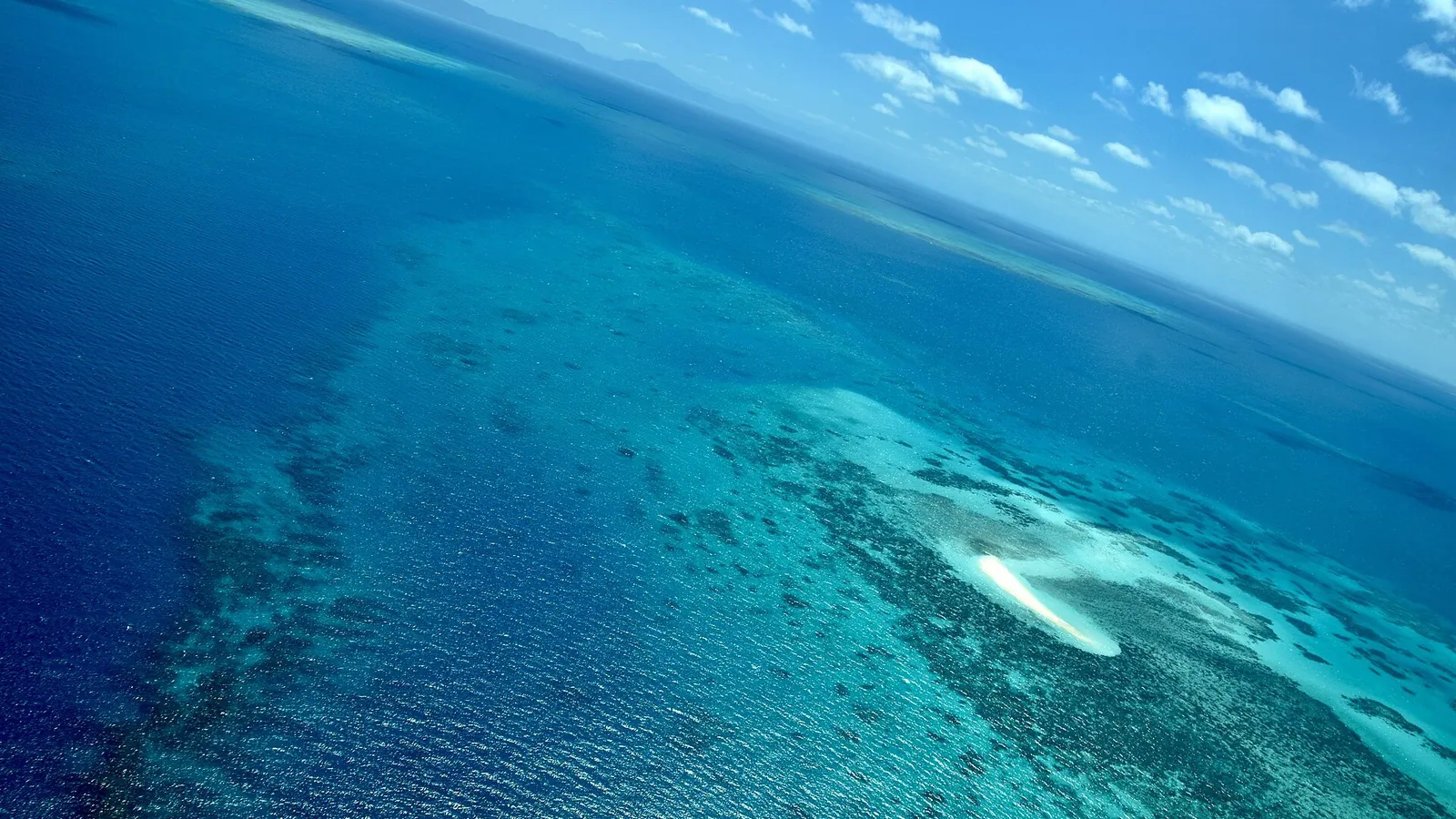
An aerial view of coral reefs and turquoise water on the Great Barrier Reef

Far North Queensland · Australia

Cairns, the Great Barrier Reef and the Daintree

The world's largest coral reef system and the world's oldest tropical rainforest, side by side, with a laid-back tropical city as the gateway to both.

  • Best time June–October
  • Stay 4 days
  • Good for Snorkelling, diving, rainforest, wildlife, families

Photo: Ank Kumar · CC BY-SA 4.0

Welcome to Cairns and the Reef

The Great Barrier Reef is the largest coral reef system on earth, stretching about 2,300 km along the Queensland coast, made up of almost 3,000 individual reefs and around 900 islands. It is visible from space, home to thousands of species of fish, corals, turtles and other marine life, and was inscribed by UNESCO in 1981. Cairns and Port Douglas, in Far North Queensland, are the main gateways to its northern section.

The reef is under pressure. Rising sea temperatures have caused repeated mass coral bleaching events in recent years, and parts of it are damaged, but large areas remain healthy, particularly on the outer reef, and it is still one of the world's great natural experiences. Choosing reputable, eco-certified operators and visiting the outer reef rather than the inner fringing reefs helps to see the best of it.

Beside the reef, the Daintree Rainforest, part of the Wet Tropics of Queensland World Heritage Area, is thought to be around 180 million years old, older than the Amazon. At Cape Tribulation, the rainforest meets the reef. Cairns itself is a relaxed tropical city, with a free lagoon pool on its waterfront, and the base for trips to Kuranda, the Atherton Tablelands and the islands.

  • Nature & Wildlife
  • UNESCO Site
  • Coast & Beaches
  • National Park

Why visit

Why visit Cairns and the Reef?

It is one of the few places in the world where two great natural World Heritage areas sit next to each other.

  • The reef

    Snorkel or dive among coral gardens, tropical fish, turtles and reef sharks.

  • Ancient rainforest

    Walk through the Daintree, with cassowaries, tree kangaroos and giant ferns.

  • Two ecosystems in a day

    Reef trips and rainforest walks are within a few hours of each other.

  • Scenic journeys

    The Kuranda Scenic Railway and Skyrail cross the rainforest.

  • Tropical ease

    Warm weather, beach towns and relaxed dining.

Main attractions

Top things to see in Cairns and the Reef

A reef day, a rainforest day and a scenic day cover the main experiences.

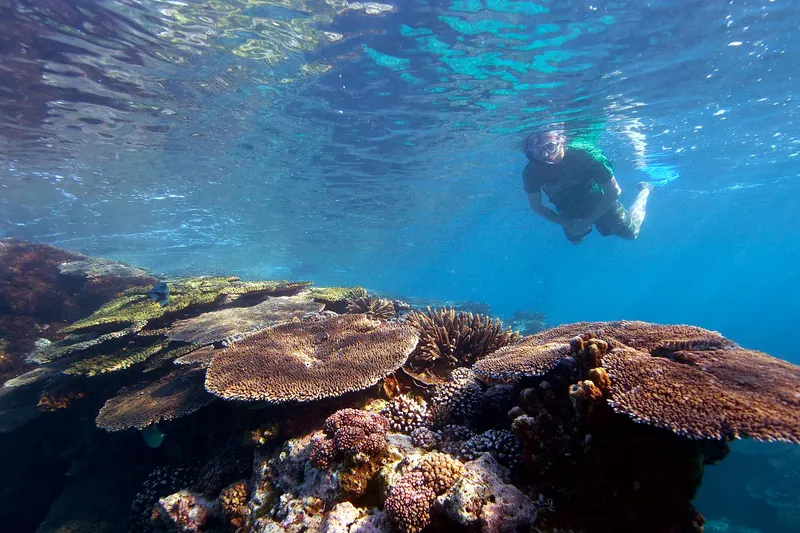
  1. A snorkeller swimming above coral on the Great Barrier Reef

    The outer Great Barrier Reef

    Day boats leave Cairns and Port Douglas for reefs such as Agincourt, Norman and Moore, about 1.5 to 2 hours offshore. Pontoons and boats offer snorkelling, diving and glass-bottom viewing.

    Tip Choose a smaller boat, or a reef with fewer visitors, if you can.

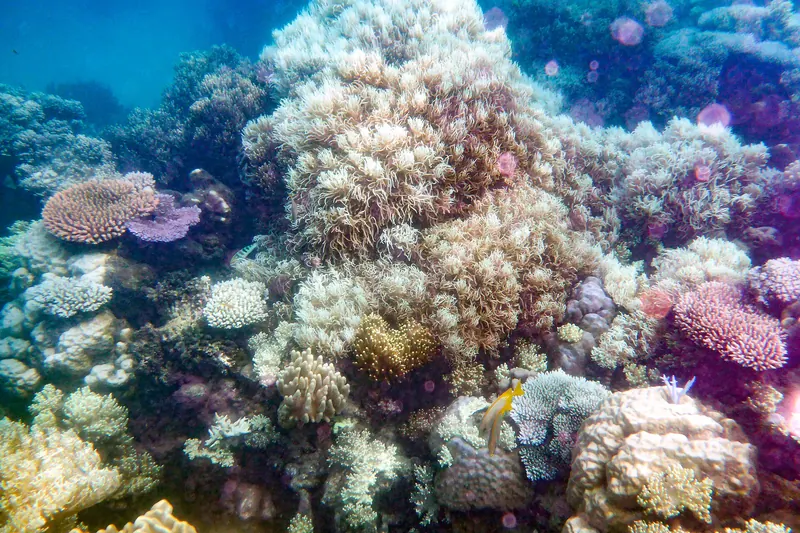
  2. Colourful corals on a reef in the Great Barrier Reef

    Green Island

    A coral cay about 45 minutes by boat from Cairns, with a beach, rainforest walk and snorkelling right off the sand. Easier and shorter than the outer reef.

    Tip Good for families and shorter trips.

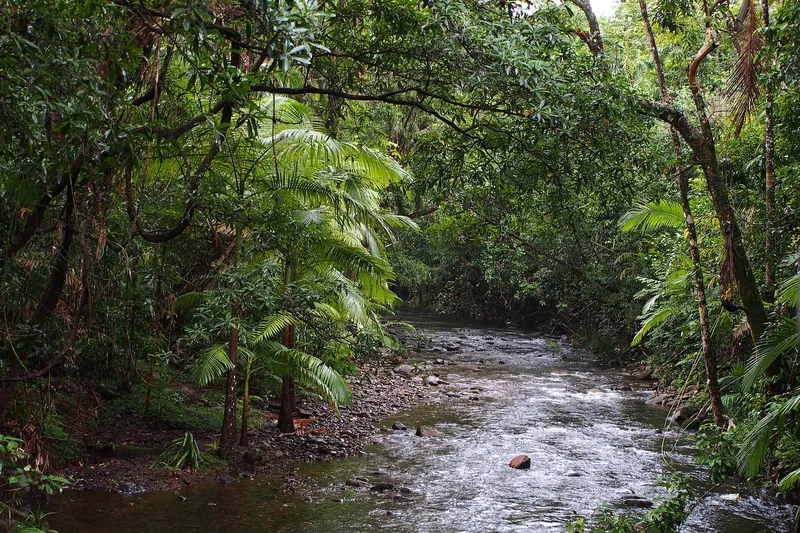
  3. Dense green rainforest of the Daintree in Far North Queensland

    The Daintree Rainforest and Cape Tribulation

    The Daintree River, boardwalks and beaches north of Port Douglas, crossed by a short ferry. Cape Tribulation is where the rainforest meets the reef, and crocodile and cassowary warnings are on the signs.

    Tip Go with a guide, and never swim in rivers or the sea without a safe area.

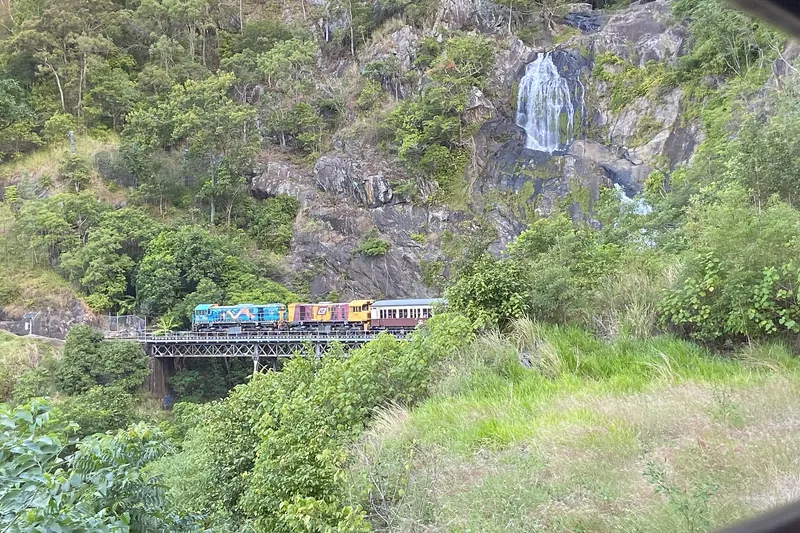
  4. A vintage train of the Kuranda Scenic Railway climbing through rainforest

    Kuranda Scenic Railway and Skyrail

    A heritage railway built in the 1880s climbs from Cairns to the village of Kuranda through gorges and waterfalls, and a cable car (Skyrail) crosses the canopy. Together they make a classic day.

    Tip Take the train up and the Skyrail down, or vice versa.

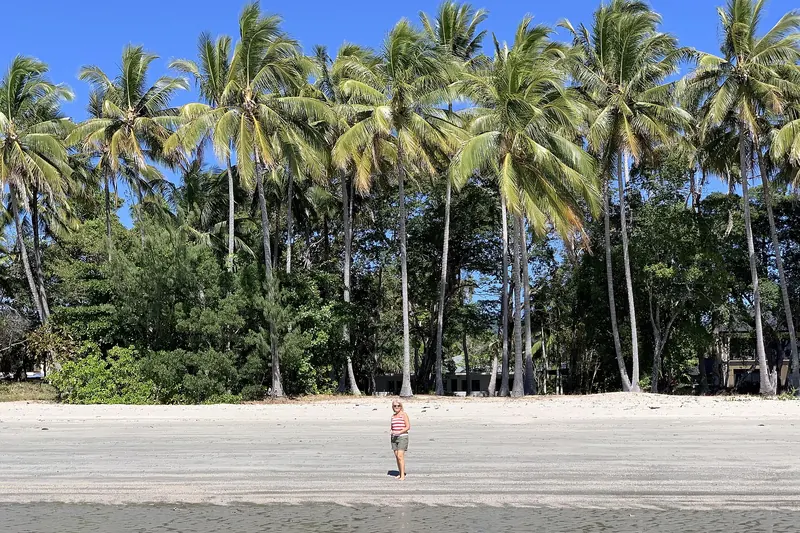
  5. Four Mile Beach at Port Douglas with palm trees and sand

    Port Douglas and Four Mile Beach

    A small resort town with a long white beach, restaurants and a Sunday market, and the departure point for many reef and rainforest trips.

    Tip Stay a night if you want a quieter base.

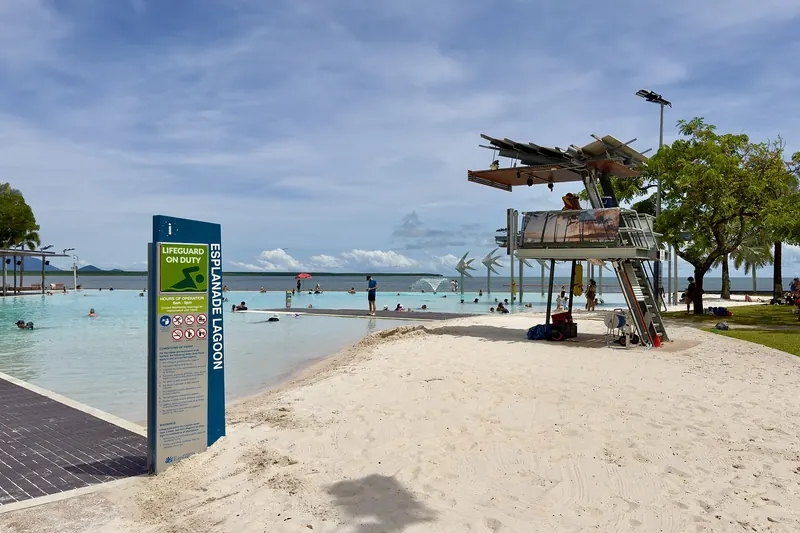
  6. The saltwater lagoon swimming pool on the Cairns Esplanade

    The Cairns Esplanade Lagoon

    A free, saltwater swimming lagoon on the waterfront, since the seafront itself has mudflats and stingers.

    Tip It is patrolled, and popular in the evening.

Things to do

Best things to do in Cairns and the Reef

The area combines water and forest activities, and it is best to plan around the weather.

  1. Snorkel or dive the outer reef

    Book a day trip with a reputable operator, for coral, fish, turtles and sometimes reef sharks.

    Tip Bring a stinger suit in summer.

  2. Try an introductory dive

    No experience is needed for a supervised dive, and dive schools offer courses.

    Tip Book ahead.

  3. See a cassowary

    The Daintree is home to these large, rare flightless birds.

    Tip Keep your distance.

  4. Take a Daintree River cruise

    A boat trip along the river spots saltwater crocodiles, birds and tree snakes.

    Tip Go at dawn or dusk.

  5. Visit an Aboriginal cultural experience

    Kuku Yalanji guides at Mossman Gorge and Cape Tribulation share stories of the rainforest.

    Tip Book in advance.

  6. Go white-water rafting

    Rapids on the Barron and Tully rivers, an adventure activity in the wet season.

    Tip Best from December to April.

Local food

What to eat in Cairns and the Reef

Far North Queensland's food is tropical, with seafood, fruit and Australian bush foods.

  • Barramundi

    The famous northern fish, grilled or pan-fried with lemon and salad.

    Where to try it Waterfront restaurants in Cairns and Port Douglas.

  • Moreton Bay bugs and prawns

    Sweet, flat-headed lobsters and large prawns.

    Where to try it Seafood restaurants.

  • Tropical fruit

    Mango, lychee, custard apple and black sapote, sold at roadside stalls and markets.

    Where to try it Rusty's Markets in Cairns and the Tablelands.

  • Local coffee and tea

    Atherton Tablelands coffee and Australian-grown tea.

    Where to try it Cafés in Cairns and Kuranda.

  • Bush tucker

    Native ingredients such as lemon myrtle and wattleseed on modern menus.

    Where to try it Restaurants in Port Douglas.

Accommodation

Where to stay in Cairns and the Reef

Choose Cairns for convenience, Port Douglas for style, or a rainforest lodge in the Daintree.

  • Cairns

    Hotels and hostels along the Esplanade and city centre.

    Best for: Transport and reef access

  • Port Douglas

    Resorts and boutique hotels near Four Mile Beach.

    Best for: Resort comfort

  • Daintree and Cape Tribulation

    Eco-lodges and treehouse stays.

    Best for: Rainforest immersion

What a night costs

Budget hostel
A$40–90 per night
Mid-range hotel
A$180–320 per night
Luxury resort
A$400–900 per night
Reef day trip
A$200–300 per person

Transport

Getting to and around Cairns and the Reef

Cairns is in Far North Queensland, about 1,700 km north of Brisbane.

Getting there

  • Flight to Cairns (CNS)

    Direct flights from Sydney, Melbourne and Brisbane, and some from Asia.

    The airport is 10 minutes from the city.

  • Drive from Port Douglas

    About 1 hour to 1 hour 15 minutes along the coast.

    A scenic road.

  • Fly and drive

    Hire a car for the Daintree and Tablelands.

    Watch for wildlife on roads.

Getting around

A hire car is best for the Daintree, and tours are simple for the reef.

  • Hire car

    Good for the Daintree and Tablelands.

    Drive on the left, with care at dusk.

  • Tours

    Reef and rainforest tours pick up from hotels.

    Book ahead.

  • Local buses and taxis

    Cover Cairns and Port Douglas.

    Limited beyond.

When to go

Best time to visit Cairns and the Reef

The dry season from May to October is best, with clear water and cooler weather. The wet season from November to April is hot and humid, with stingers and cyclone risk.

  • Dry season (June–October)

    Best time

    Warm, dry, low humidity and calm seas, with clear water for snorkelling.

  • Build-up (November–December)

    Good

    Hotter and more humid, with stingers arriving.

  • Wet season (January–March)

    Think twice

    Heavy rain, storms and cyclones, and marine stingers in the water.

  • Late wet (April–May)

    Good

    Drying out, with green landscapes and fewer visitors.

Worth planning around: January to March, when cyclones, flooding and stingers are most likely.

Itinerary

Four days in Far North Queensland

A day on the reef, a day in the rainforest, and a day of scenery.

  1. Day1

    Arrive in Cairns

    A gentle start.

    • Morning Arrive and check in.
    • Afternoon The Esplanade Lagoon.
    • Evening Seafood dinner.
  2. Day2

    The Great Barrier Reef

    A day on the water.

    • Morning A boat to the outer reef.
    • Afternoon Snorkelling or diving.
    • Evening Return to Cairns.
  3. Day3

    The Daintree

    Rainforest and river.

    • Morning Drive north to the Daintree.
    • Afternoon A rainforest walk and river cruise.
    • Evening Dinner at Port Douglas.
  4. Day4

    Kuranda

    Rail and cable car.

    • Morning The Kuranda Scenic Railway.
    • Afternoon Kuranda village and Skyrail.
    • Evening Depart.

Travel tips

Cairns and the Reef travel tips

A few tips make the reef and the rainforest safer and better.

  • Choose an eco-certified reef operator, and go to the outer reef.
  • Wear reef-safe sunscreen, or a rash vest, to protect the coral and your skin.
  • In stinger season (November–May), swim only in netted areas and wear a stinger suit.
  • Never swim in rivers or estuaries, where saltwater crocodiles live.
  • Bring seasickness tablets for the outer reef.
  • Book Daintree and reef tours a few days ahead.
  • Check the weather and cyclone warnings in the wet season.

FAQ

Cairns and the Reef: frequently asked questions

How many days do you need for the Great Barrier Reef?

At least one day for a reef trip, and four days if you include the Daintree and Kuranda.

Is the Great Barrier Reef still worth seeing?

Yes. Parts have been damaged by bleaching, but large areas remain healthy and spectacular, particularly on the outer reef.

What is the best time to go?

June to October, the dry season with clear water and few stingers.

Are there crocodiles and stingers?

Yes. Do not swim in rivers or the open sea in the north without local advice, and wear a stinger suit in summer.

Can I visit the reef without diving?

Yes. Snorkelling, glass-bottom boats and semi-submersibles let you see the reef without diving.

Cairns or Port Douglas?

Cairns is the practical base with more transport, and Port Douglas is quieter and more upmarket, closer to the Daintree.

Read next

Related travel articles

Where to go

Choosing a Mediterranean Coast

The Mediterranean coasts in this guide are not interchangeable. Some have sand and some have rock; some are glamorous and some are cheap; two of them are effectively closed for half the year. This is a comparison by the things that decide whether a coastal week works — swimming, crowds, cost, transport and what there is to do when you get out of the water.

Practical

Packing by Season and Trip Type

Most packing advice is a list of things. This is the opposite: the small number of decisions that determine whether your luggage helps or hinders, organised by the kind of trip you are actually taking.

Advertisement