Welcome to Charleston
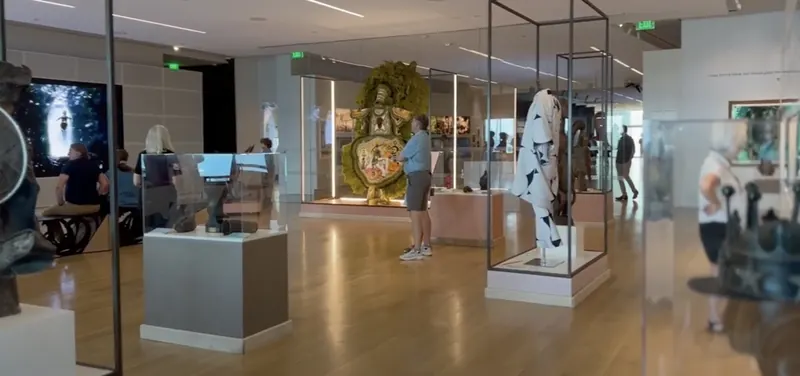
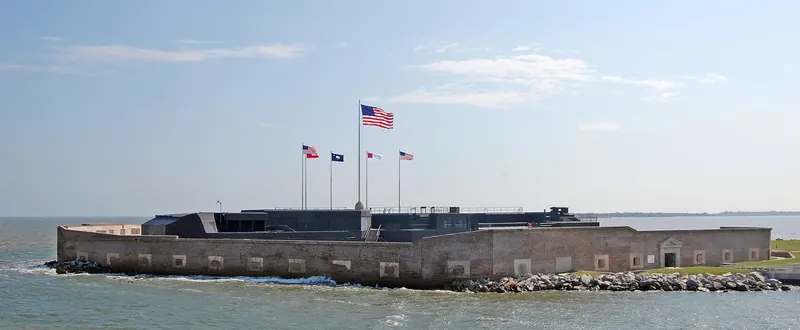
Charleston was founded in 1670 and became, by the 1770s, the wealthiest city in Britain's American colonies. That wealth came from rice and indigo, and it came from slavery — roughly 40% of all enslaved Africans brought to North America arrived through this port. The city has spent much of the last two decades reckoning with that history more directly than it once did, and the International African American Museum, opened in 2023 on the wharf where those ships landed, is the clearest expression of it.
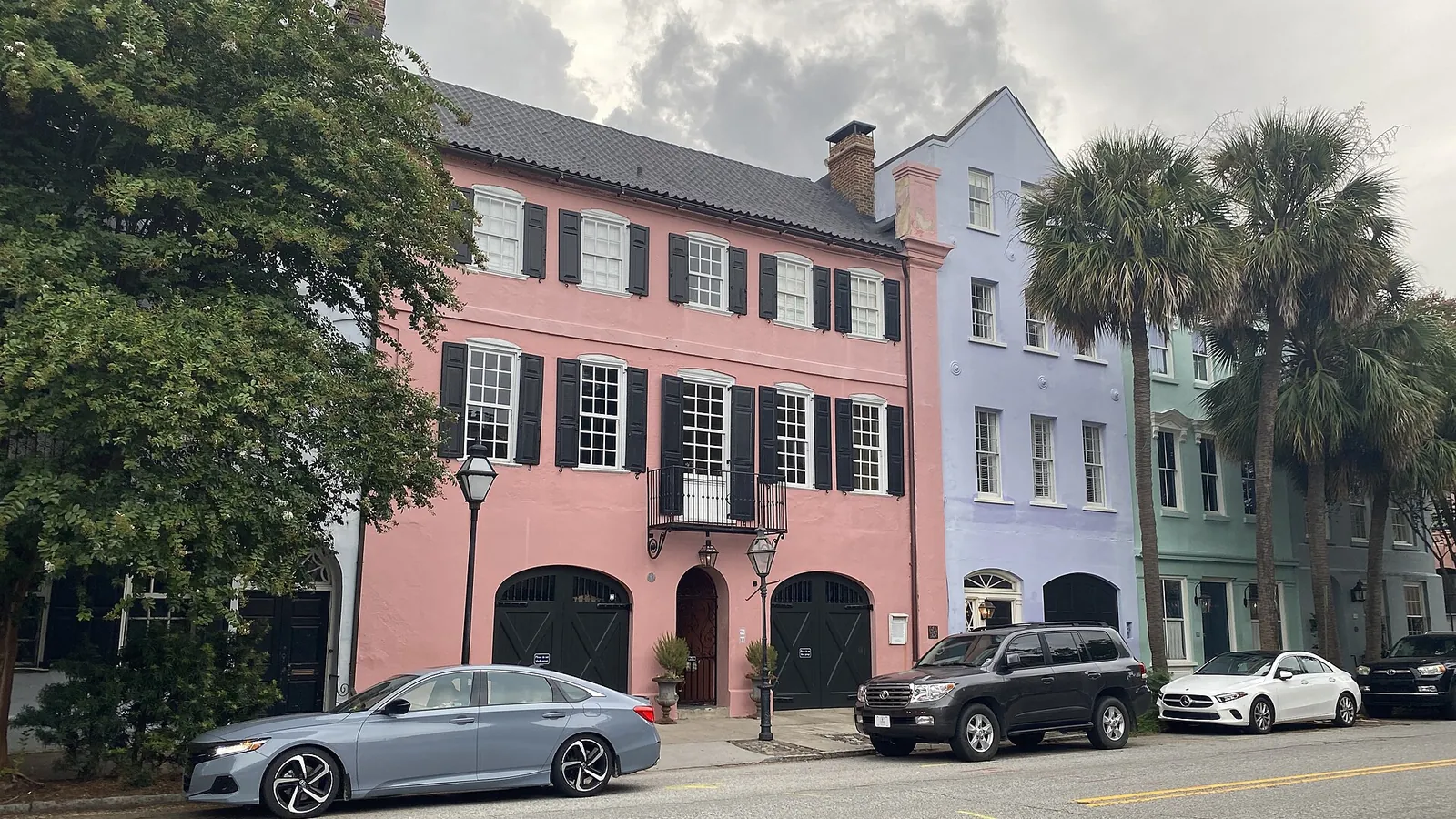
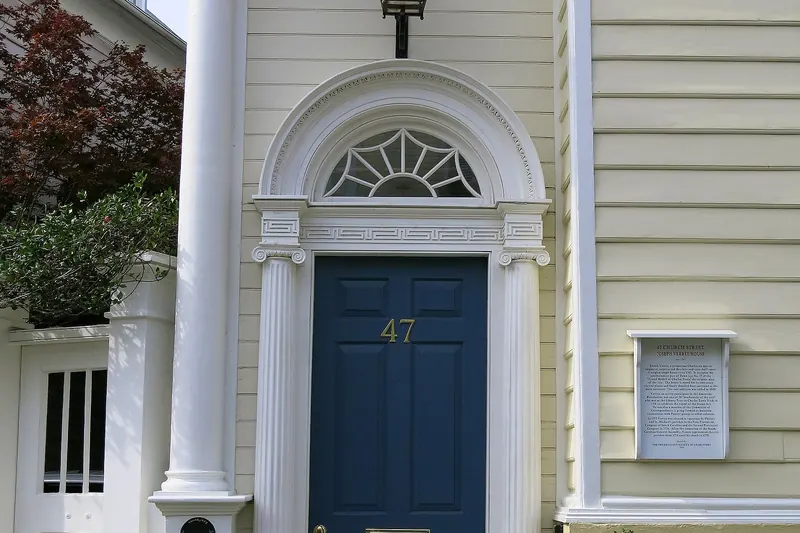
What survives physically is remarkable. Charleston was too poor after the Civil War to knock anything down and too proud to let anyone else, and an early preservation ordinance in 1931 — the first in the United States — protected the rest. The result is roughly 1,400 pre-Civil War buildings on a small peninsula: pastel Georgian townhouses, single houses turned sideways to catch the sea breeze, church steeples, and cobbled streets under live oaks.
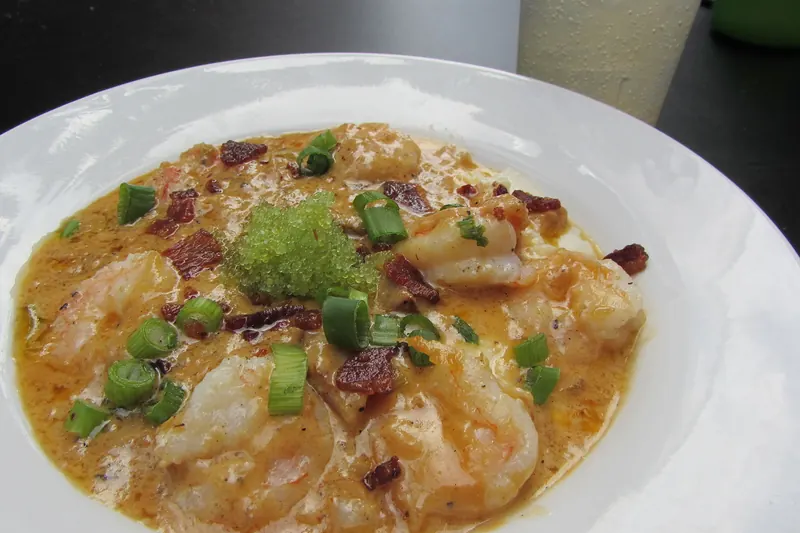
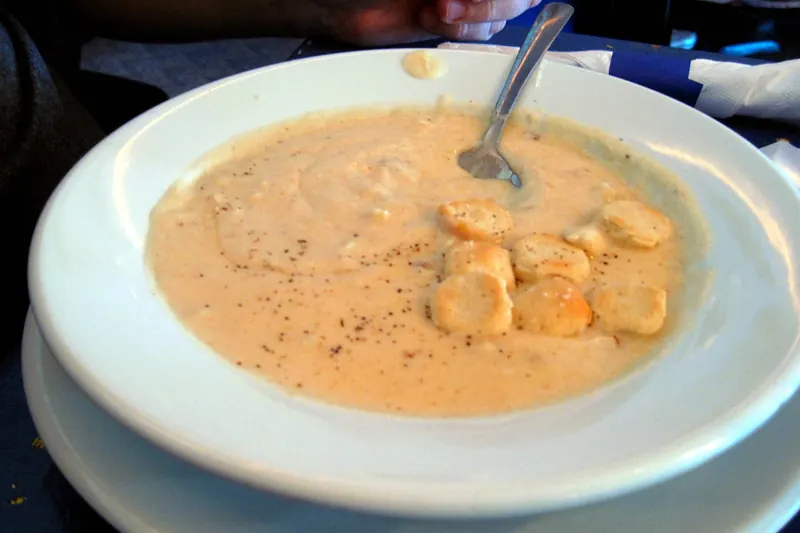
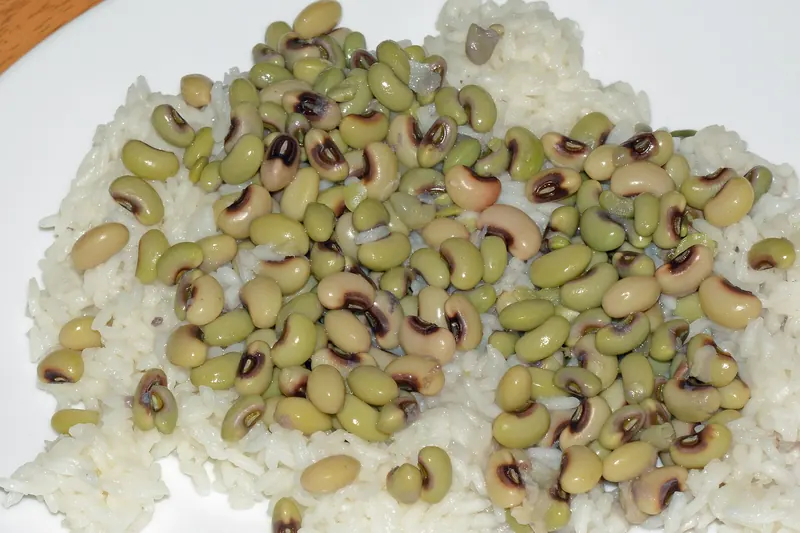
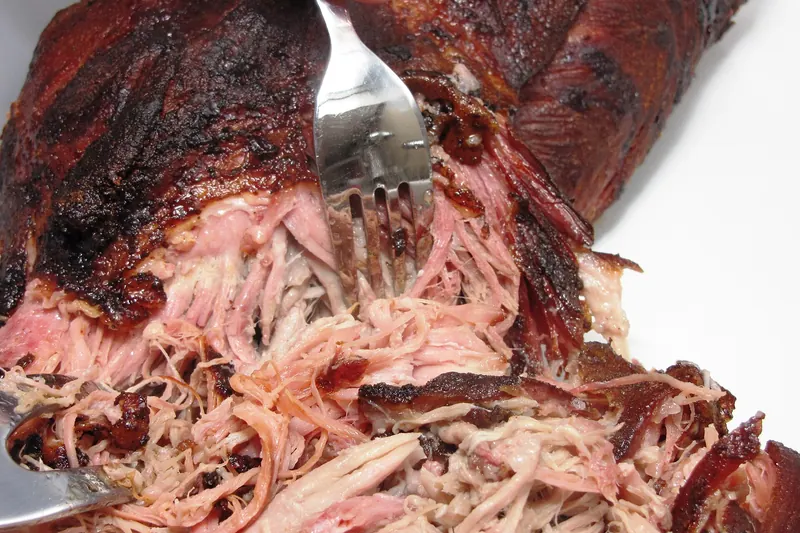
The third thing is the food. Lowcountry cooking — shrimp and grits, she-crab soup, Hoppin' John, Carolina Gold rice — was shaped substantially by West African cooks and the rice-growing knowledge enslaved people brought with them. Charleston has become one of the best eating cities in the United States over the past fifteen years, and the standard is high enough to justify the trip on its own.
- Historic Site
- Coast & Beaches
- Food & Wine
- Off the Beaten Path