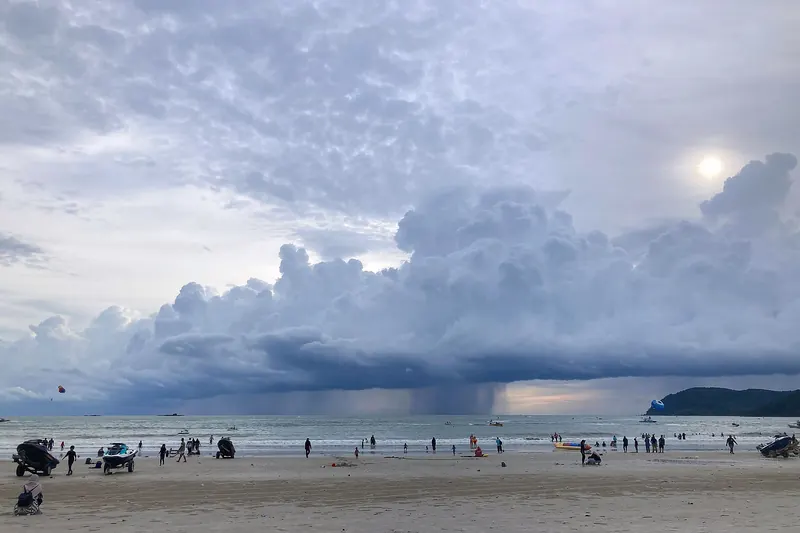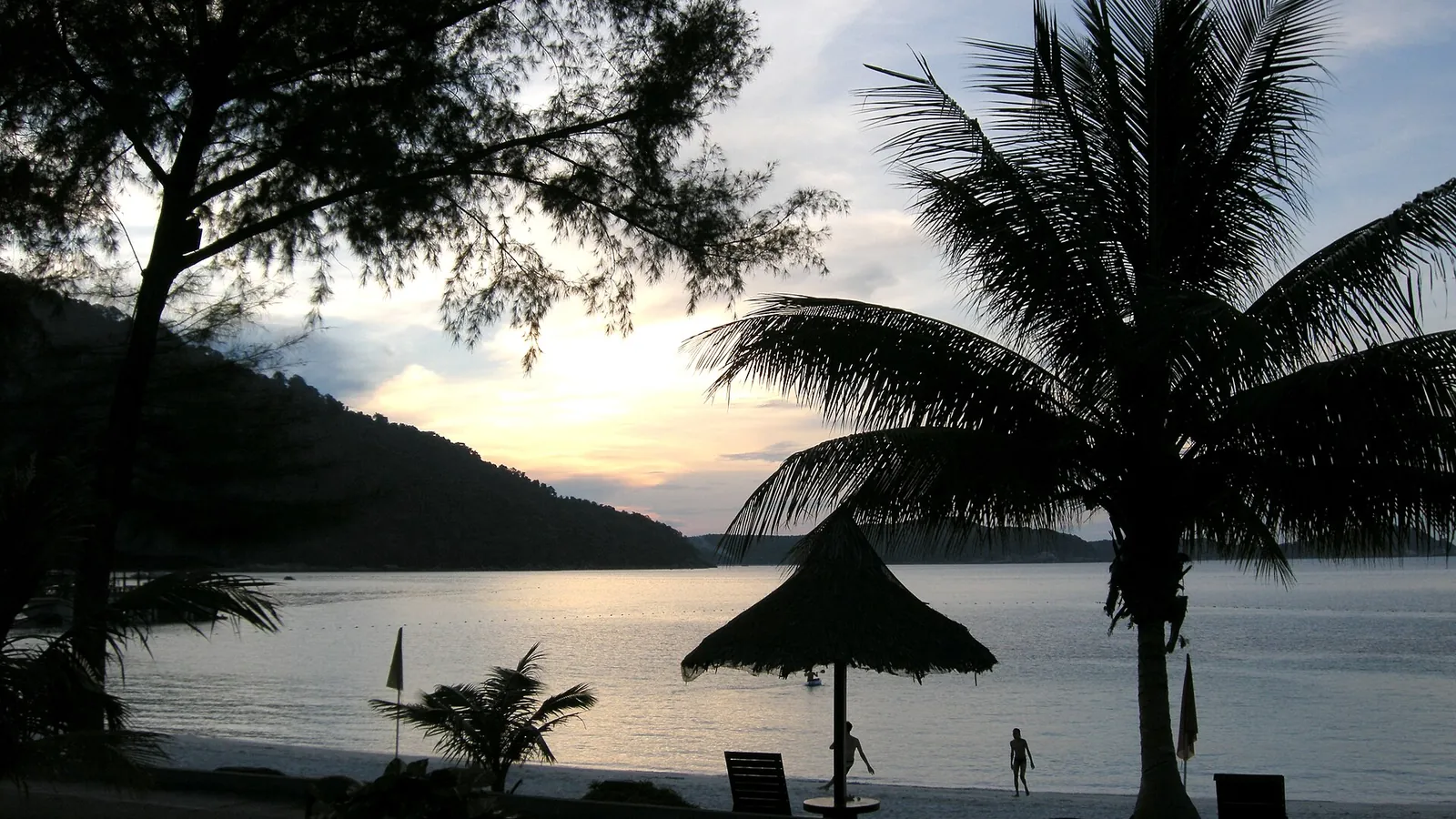


Sunset over the Perhentian Islands

Terengganu · Malaysia

Perhentian Islands

A pair of car-free east coast islands with clear water, coral reef and a simple backpacker pace, open only half the year.

  • Best time March to October, when the islands are open
  • Stay 3-4 days
  • Good for Diving, snorkelling, unplugging from cities

Photo: Vyacheslav Argenberg · CC BY 4.0

Welcome to Perhentian Islands

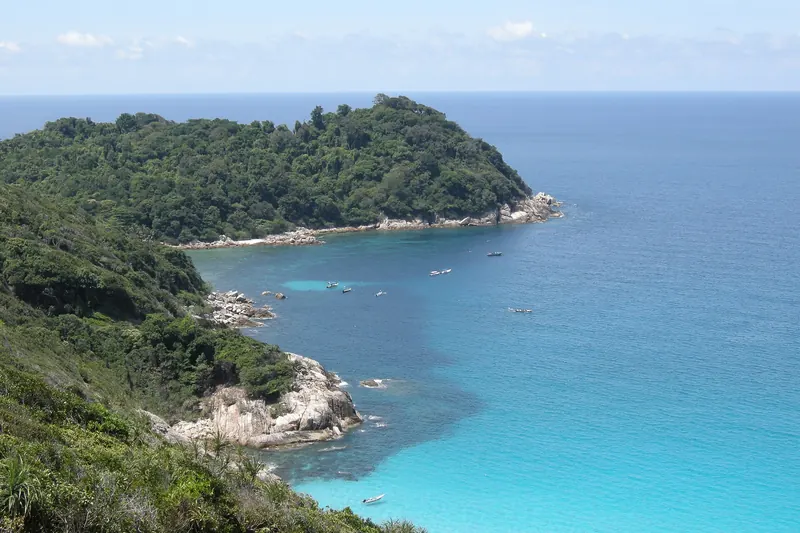
The Perhentian Islands are a pair of small islands off Malaysia's northeast coast, Perhentian Besar and Perhentian Kecil, both entirely car-free and built around clear water and coral reef.

Compared to Langkawi on the calmer west coast, the Perhentians keep a simpler, more backpacker-oriented pace — wooden chalets rather than resort towers, and a diving and snorkelling scene that draws people back year after year.

The tradeoff is a firm seasonal window: the northeast monsoon shuts most of the islands down from November through February, so timing a visit matters more here than almost anywhere else in Malaysia.

  • Beach
  • Island
  • Diving
  • Backpacker

Why visit

Why visit Perhentian Islands?

The Perhentian Islands' case rests on clear water and reef, reached without the infrastructure or crowds of a bigger island destination.

  • The water is some of Malaysia's clearest

    Visibility regularly exceeds 15-20 metres, excellent for both diving and simple snorkelling.

  • Diving here is affordable

    PADI courses and dives cost noticeably less than at many other Southeast Asian dive destinations.

  • Both islands stay car-free

    No roads, no traffic — just paths between chalets, jetties and beaches.

  • The pace is deliberately simple

    Basic chalets and beach bars rather than resort infrastructure, suited to unplugging for a few days.

  • Turtles are a common sight

    Green and hawksbill turtles nest and feed around both islands, often visible while snorkelling.

Main attractions

Top things to see in Perhentian Islands

The Perhentians' appeal is less about individual sights than the islands' beaches and reef as a whole, split across Besar and Kecil.

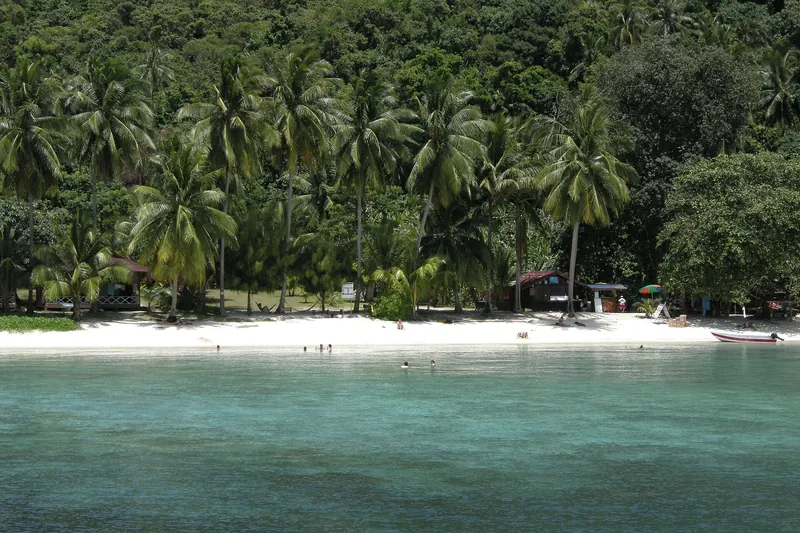
  1. A beach on Perhentian Besar

    Perhentian Besar's beaches

    The larger of the two islands, generally quieter and slightly more upmarket than Kecil.

    Tip A better fit for couples or anyone wanting a calmer base than Kecil's livelier backpacker scene.

  2. A beach on Perhentian Kecil

    Perhentian Kecil's beaches

    The smaller island, with a livelier backpacker scene and the islands' main budget accommodation cluster.

    Tip Long Beach is the main hub here, with the widest choice of chalets, bars and dive shops.

  3. The coastline and reef of the Perhentian Islands

    The coral reef surrounding both islands

    Reef fringes much of both islands, reachable directly from several beaches without a boat.

    Tip Ask locally which beaches currently have the best visibility — conditions shift through the season.

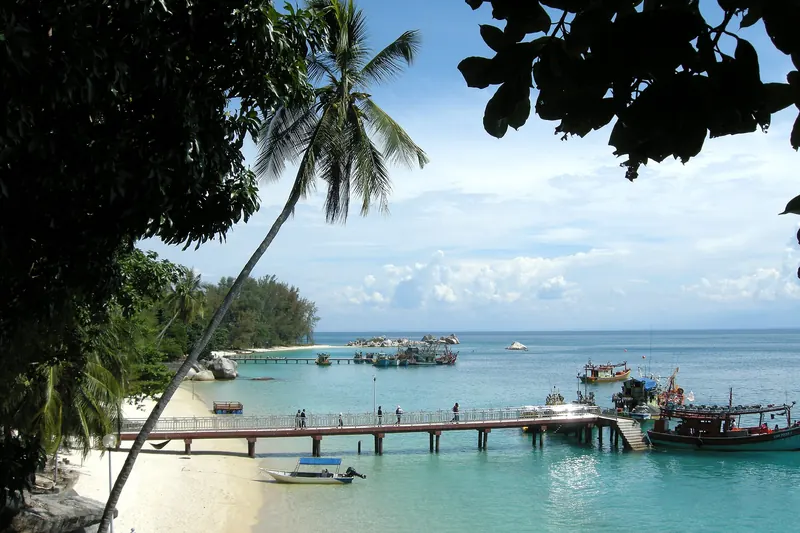
  4. The strait between Perhentian Besar and Perhentian Kecil

    The strait between the two islands

    A short boat ride separates Besar and Kecil, both easily visited even if you're only staying on one.

    Tip Water taxis run regularly between the two islands' main jetties throughout the day.

  5. Turtle nesting and feeding grounds

    Green and hawksbill turtles are a regular sight around both islands, especially while snorkelling near reef edges.

    Tip Keep a respectful distance and avoid touching turtles if you encounter one.

  6. The islands' interior jungle trails

    Short trails cross both islands' forested interiors, connecting beaches that aren't linked by coastal paths.

    Tip Sturdy footwear helps — the trails can be steep, rooty and slippery after rain.

Things to do

Best things to do in Perhentian Islands

Diving and snorkelling dominate a Perhentians visit, with the islands' simple pace suited to slow days between dives.

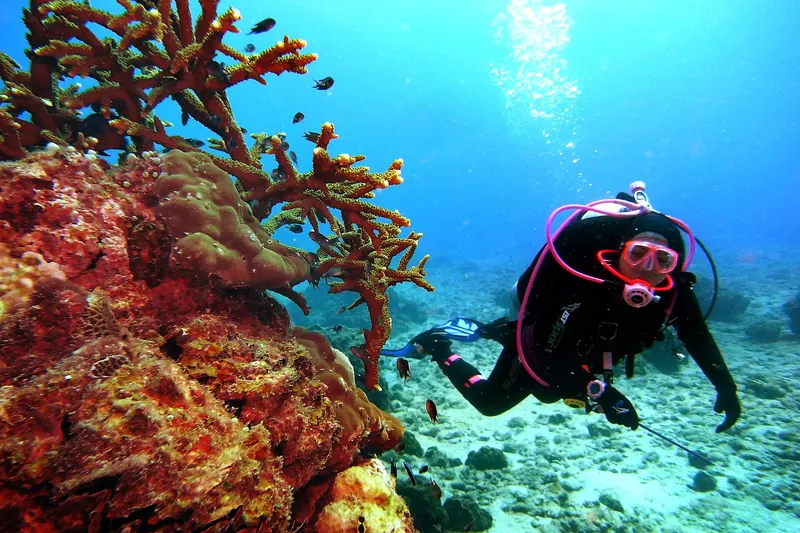
  1. Scuba diving near the Perhentian Islands

    Get PADI certified or dive

    The Perhentians are one of Southeast Asia's more affordable places to learn to dive or add certifications.

    Tip Book with an established dive shop and compare a couple of prices before committing.

  2. Snorkel straight from the beach

    Several beaches on both islands reach reef within a short swim, no boat required.

    Tip Bring or rent a mask and fins rather than relying on hotel gear, which can be inconsistent.

  3. Take a snorkelling boat trip

    Boat tours reach reef spots further from shore, often combined with a stop to look for turtles.

    Tip Half-day trips are usually enough to cover the islands' best snorkelling spots.

  4. Walk the jungle trail between beaches

    A short but genuine hike connects beaches not linked by coastal paths, cutting through island interior forest.

    Tip Carry water — there's no shade relief once you're partway across.

  5. Relax at a beach bar as the sun sets

    A quieter, simpler evening ritual than Langkawi's resort scene, fitting the islands' backpacker pace.

    Tip Long Beach on Kecil has the liveliest evening scene if that's what you're after.

  6. Water-taxi between Besar and Kecil

    Worth doing at least once, since the two islands have different characters.

    Tip Check the last return water taxi time before heading over for the day.

Local food

What to eat in Perhentian Islands

Food on the Perhentians is simple by design, built around fresh seafood and standard Malaysian staples at beachfront restaurants.

  • Fresh grilled fish

    The most reliable option on both islands, simply grilled and served with rice.

    Where to try it Beachfront restaurants throughout Besar and Kecil.

  • Nasi goreng

    Fried rice with egg, vegetables and a choice of meat or seafood, a menu staple at nearly every island restaurant.

    Where to try it Restaurants and chalets throughout both islands.

  • Mee goreng

    Fried noodles in a similar style to nasi goreng, another reliable staple across the islands.

    Where to try it Restaurants throughout Besar and Kecil.

  • Fresh coconuts

    Sold straight off the beach, a refreshing break between snorkelling sessions.

    Where to try it Beach vendors on both islands.

  • Roti canai

    A reliable breakfast option, found at several island cafés alongside standard Western breakfast fare.

    Where to try it Cafés on both islands, especially around the main jetties.

  • Barbecue seafood platters

    A popular evening option at beachfront restaurants, mixed grilled seafood shared between a group.

    Where to try it Beachfront restaurants on both islands, especially in the evening.

Accommodation

Where to stay in Perhentian Islands

Accommodation on the Perhentians is simple by design — wooden chalets and beach bungalows rather than resort towers.

  • Perhentian Kecil (Long Beach)

    The islands' main hub for younger travellers and diving courses.

    Best for: A livelier backpacker scene and the widest choice of budget chalets

  • Perhentian Besar

    Generally better suited to couples or those wanting fewer crowds.

    Best for: A quieter, slightly more comfortable stay

What a night costs

Basic chalet
RM50–100 per night
Mid-range beachfront chalet
RM150–300 per night
PADI Open Water course
RM900–1,200
Meal at a beachfront restaurant
RM15–30 per person

Transport

Getting to and around Perhentian Islands

Reaching the Perhentians involves a flight or long drive to the coast, followed by a boat crossing — plan around the season.

Getting there

  • Fly to Kota Bharu, then bus and boat

    The most practical option for most visitors.

    A short transfer to Kuala Besut jetty, followed by a speedboat crossing of around 30-45 minutes.

  • Long-distance coach from Kuala Lumpur

    A budget option, typically overnight, arriving at Kuala Besut jetty.

    Takes around 8-9 hours, best paired with an early morning boat onward.

  • Speedboat from Kuala Besut

    The only way to reach the islands themselves.

    Boats run only during the open season, roughly March through October.

Getting around

Both islands are entirely car-free, so getting around means walking or taking a water taxi.

  • On foot

    Covers each island's coastal paths and beaches.

    Interior jungle trails connect beaches not linked by coastal paths.

  • Water taxi

    The only way to move between beaches not connected by a walkable path, or between Besar and Kecil.

    Regular services run during daylight hours in season.

When to go

Best time to visit Perhentian Islands

The Perhentians are only accessible for around eight months of the year, closing entirely during the northeast monsoon.

  • March–May

    Best time

    The islands reopening after monsoon, generally calm seas and good visibility.

  • June–August

    Best time

    Peak season, warm and dry with the busiest crowds and best-established services.

  • September–October

    Good

    Still open but increasingly unpredictable as the monsoon approaches.

  • November–February

    Good

    The islands largely close — most resorts and boat operators shut down for the season.

Worth planning around: November through February entirely — most accommodation and transport shuts down for the monsoon.

Itinerary

Three days in the Perhentian Islands

Built around diving, snorkelling and doing very little else.

  1. Day1

    Arrival and settling in

    Travel to the islands and a first taste of the water.

    • Morning Travel to Kuala Besut and take the boat across.
    • Afternoon Settle in and snorkel from the beach.
    • Evening Dinner at a beachfront restaurant.
  2. Day2

    Diving or a snorkelling boat trip

    The main activity day.

    • Morning A dive or snorkelling boat trip to the islands' best reef spots.
    • Afternoon Relax on the beach or walk the jungle trail to another bay.
    • Evening Sunset at a beach bar.
  3. Day3

    The other island and departure

    A water taxi across before heading back to the mainland.

    • Morning Water taxi to the other island for a change of scene.
    • Afternoon Final beach time before the boat back to Kuala Besut.
    • Evening Depart or continue onward.

Travel tips

Perhentian Islands travel tips

Practical notes that make a Perhentian Islands visit noticeably smoother.

  • Check the season before booking — the islands close entirely from November to February.
  • Bring cash, since ATMs are unreliable or nonexistent on both islands.
  • Book dive courses with an established operator rather than the cheapest option you find.
  • Pack reef-safe sunscreen and consider a rash guard for long snorkelling sessions.
  • Bring a headlamp or torch — island paths have limited lighting after dark.
  • Keep expectations simple — this is a basic-chalet destination, not a resort island.

FAQ

Perhentian Islands: frequently asked questions

How many days do you need in the Perhentian Islands?

Three to four days is a good minimum, longer if diving certifications are part of the plan.

When are the Perhentian Islands open?

Roughly March through October — the northeast monsoon closes most accommodation and boats from November to February.

Which island should I choose, Besar or Kecil?

Kecil suits a livelier backpacker scene, while Besar offers a quieter, slightly more comfortable stay.

Is diving expensive in the Perhentians?

No, affordable by regional standards, making it a popular place to learn to dive.

Are the Perhentian Islands car-free?

Yes, entirely — there are no roads, only paths between chalets, jetties and beaches.

How do you get to the Perhentian Islands?

Fly or drive to Kuala Besut on the mainland, then take a speedboat crossing of around 30-45 minutes.

Read next

Related travel articles

Practical

Packing by Season and Trip Type

Most packing advice is a list of things. This is the opposite: the small number of decisions that determine whether your luggage helps or hinders, organised by the kind of trip you are actually taking.

Where to go

Beyond the Big Names: Places Worth the Detour

The most visited place in a country is rarely its best, and it is almost never its best value. This is a method for finding the destinations that do not make the postcards — and a set of examples from five of the 50 countries on this site.

Advertisement