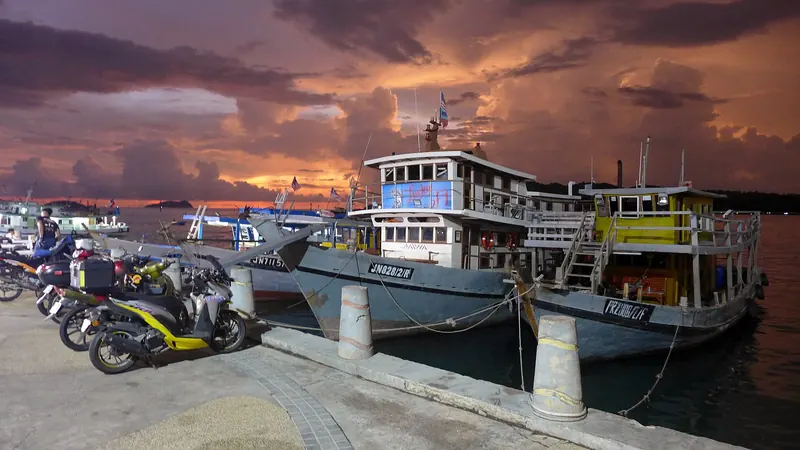
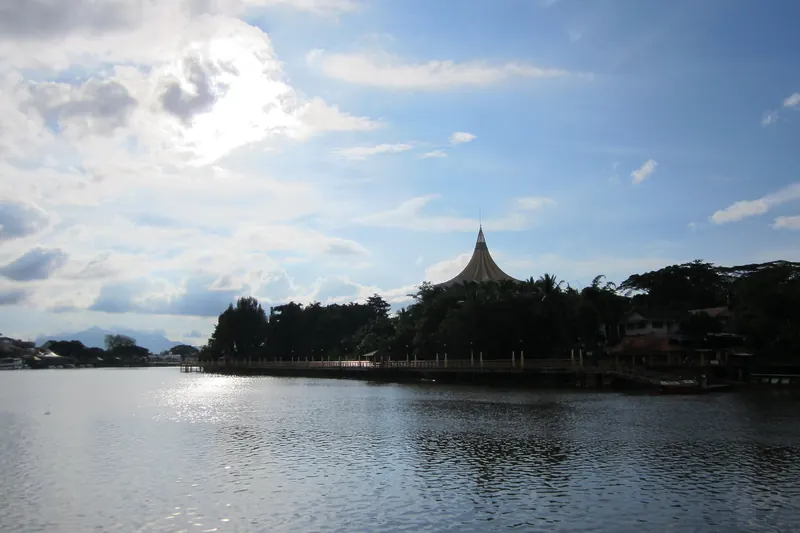
The waterfront in Kota Kinabalu, Sabah

Sabah, Borneo · Malaysia

Kota Kinabalu

Borneo's main gateway city, with Southeast Asia's highest peak inland and island-studded reef right off its waterfront.

  • Best time March to October for the best weather
  • Stay 3-4 days
  • Good for Island-hopping, mountain scenery, a Borneo gateway city

Photo: Bahnfrend · CC BY-SA 4.0

Welcome to Kota Kinabalu

Kota Kinabalu is the capital of Sabah, Malaysia's state on the island of Borneo, and the main arrival point for most visitors heading into the wider region.

The city sits between two genuine natural highlights — Mount Kinabalu, Southeast Asia's highest peak, rising inland, and the coral-fringed islands of Tunku Abdul Rahman Park just a short boat ride from the waterfront.

It's less an old-town destination than Penang or Malacca, working better as a comfortable base for island-hopping, mountain views and onward trips deeper into Sabah.

  • Nature & Wildlife
  • Islands
  • Mountains
  • City

Why visit

Why visit Kota Kinabalu?

Kota Kinabalu's case rests on having genuine mountain and island scenery within easy reach of a comfortable, well-connected city base.

  • Mount Kinabalu is a genuine landmark

    Southeast Asia's highest peak, visible from the city on clear days and reachable inland for a closer visit.

  • Island-hopping is remarkably easy

    Tunku Abdul Rahman Park's islands sit just 15-20 minutes from the city by boat.

  • It's Borneo's main gateway

    The natural starting point for trips deeper into Sabah's rainforest and wildlife areas.

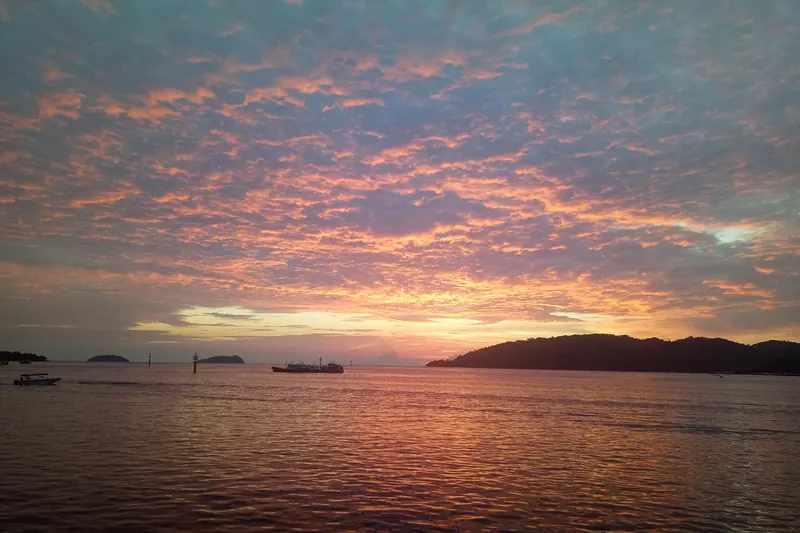
  • The waterfront sunsets are excellent

    Kota Kinabalu faces west across the South China Sea, unusual for a Malaysian city.

  • It's more relaxed than the Peninsula's bigger cities

    A smaller, more laid-back pace than Kuala Lumpur or Penang.

Main attractions

Top things to see in Kota Kinabalu

Kota Kinabalu's essential sights combine its waterfront and markets with easy trips to nearby islands and the mountain inland.

  1. Mount Kinabalu, Southeast Asia's highest peak

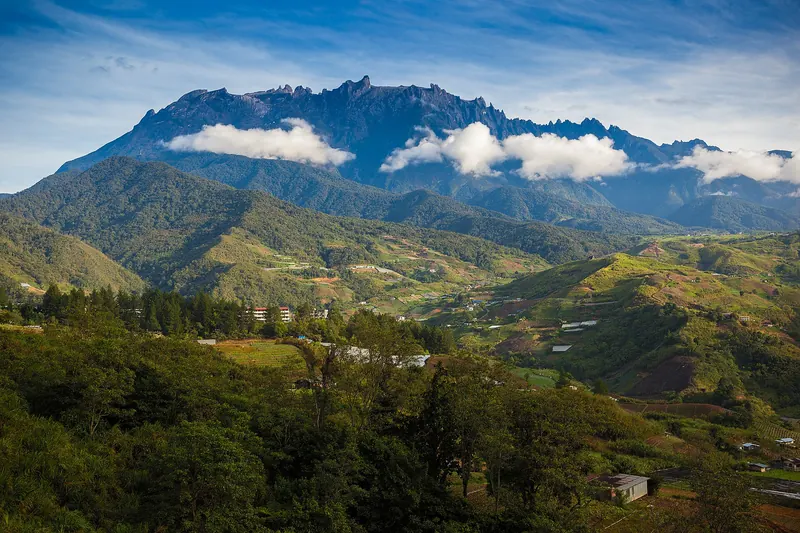
    Mount Kinabalu

    Southeast Asia's highest mountain at 4,095 metres, visible from the city on clear days and climbable over two days for those prepared.

    Tip Summit permits are limited and must be booked well ahead through a registered operator.

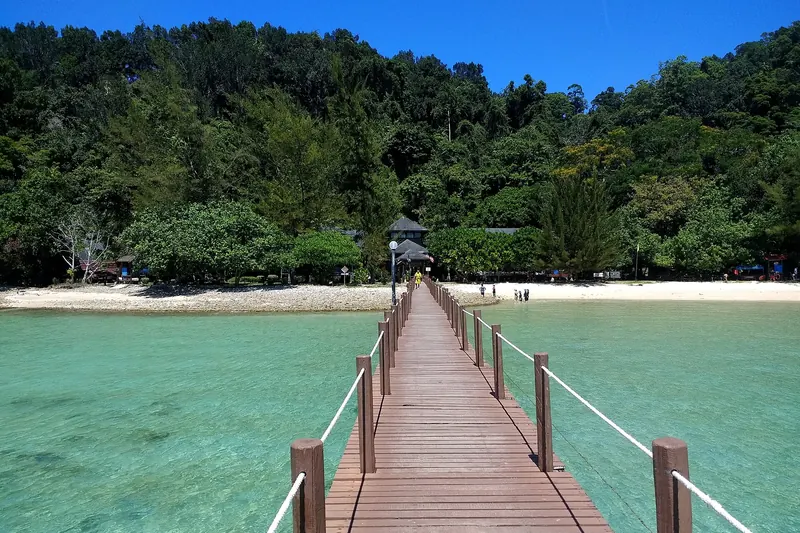
  2. An island in Tunku Abdul Rahman Park near Kota Kinabalu

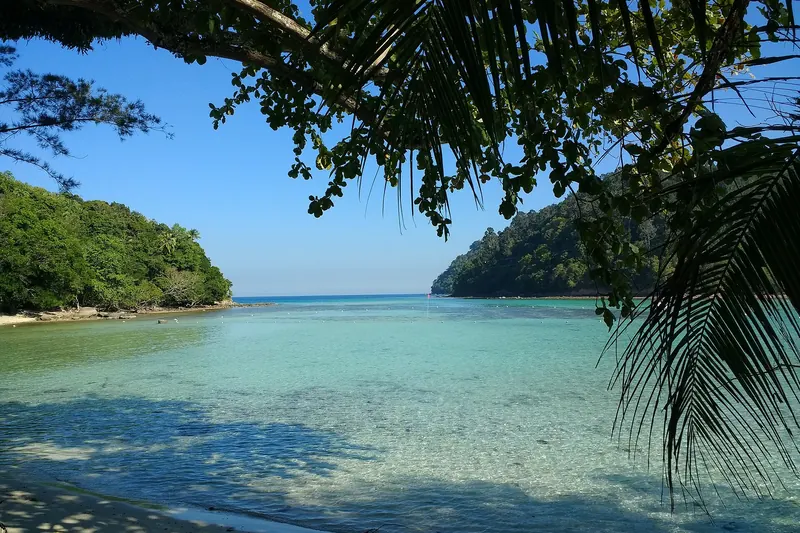
    Tunku Abdul Rahman Park's islands

    Five islands with reefs and beaches just offshore, easily reached without an overnight stay.

    Tip Boats to the islands leave from the Jesselton Point jetty — no need to book a package tour.

  3. Boats along the Kota Kinabalu waterfront

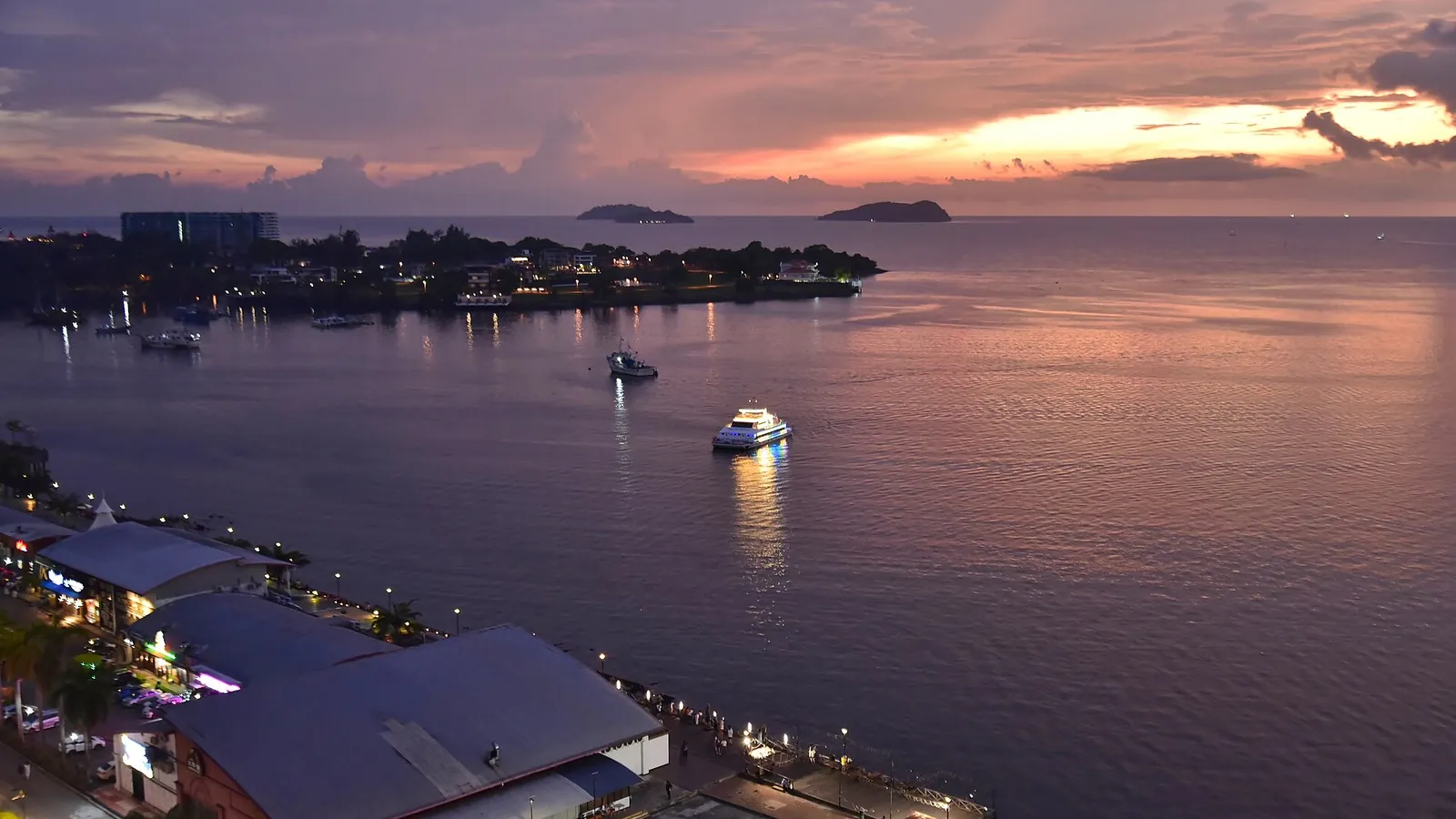
    The Kota Kinabalu waterfront

    A lively promenade of restaurants and markets, best known for sunset views over the South China Sea.

    Tip Arrive around 30 minutes before sunset to find a good spot and watch the sky change.

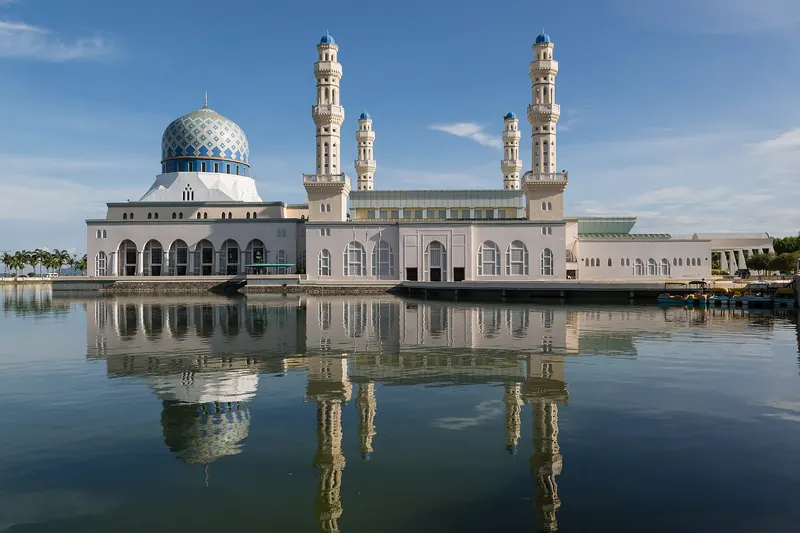
  4. The Sabah State Mosque in Kota Kinabalu

    The Sabah State Mosque

    A striking modern mosque with a distinctive golden dome, one of the city's most recognisable landmarks.

    Tip Visitors are welcome outside prayer times, dressed modestly; robes are typically available at the entrance.

  5. Gaya Street Sunday Market in Kota Kinabalu

    Gaya Street Sunday Market

    A weekly street market selling local produce, snacks and crafts, one of the city's liveliest weekly events.

    Tip Arrive by mid-morning — the market winds down by early afternoon.

  6. Signal Hill Observatory

    A hilltop viewpoint close to the city centre, offering a wide view over Kota Kinabalu and the islands beyond.

    Tip A good, low-effort spot for photos without needing a boat trip out to the islands.

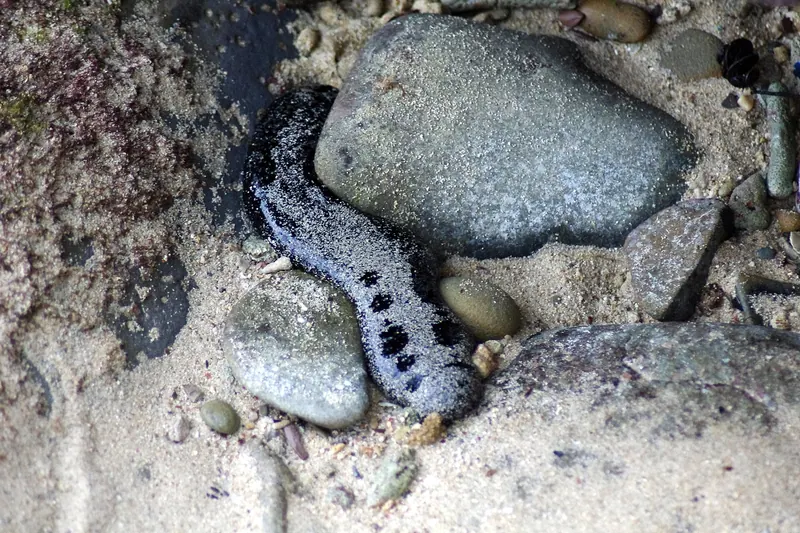
  7. The coastal waters near Kota Kinabalu

    Sabah's coastline and reef

    Clear, reef-fringed water just offshore, a big part of why the city works so well as a base for short island trips.

    Tip Snorkelling gear is available to rent on most of Tunku Abdul Rahman Park's islands.

Things to do

Best things to do in Kota Kinabalu

Kota Kinabalu mixes city-based food and markets with easy trips to nearby islands and mountain views.

  1. An island in Tunku Abdul Rahman Park

    Island-hop in Tunku Abdul Rahman Park

    A short boat ride reaches beaches and reefs suited to swimming, snorkelling or simply relaxing.

    Tip Visit two islands in one day if time allows — Sapi and Manukan are both popular, easy combinations.

  2. Sunset at the Kota Kinabalu waterfront

    Watch the sunset from the waterfront

    A nightly ritual for locals and visitors alike, best enjoyed with dinner at one of the waterfront's seafood restaurants.

    Tip The night market along the waterfront is a good, casual dinner option before or after sunset.

  3. Browse Gaya Street Sunday Market

    A weekly market spanning several blocks, selling everything from fresh produce to local snacks and crafts.

    Tip Only runs on Sundays — plan your itinerary around it if the market interests you.

  4. Visit the Sabah State Mosque

    A quiet, respectful visit to one of the city's architectural landmarks, open to visitors outside prayer times.

    Tip Dress modestly and check visiting hours ahead, since they can shift around Friday prayers.

  5. Take a day trip toward Mount Kinabalu

    Even without climbing, a day trip to Kinabalu Park's lower trails and botanical gardens is worthwhile.

    Tip The drive itself climbs through changing scenery, worth the trip on its own.

  6. Try Sabah's seafood

    Fresh, simply prepared seafood is a genuine highlight of a Kota Kinabalu stay.

    Tip The Filipino Market and waterfront restaurants both offer good, affordable seafood options.

Local food

What to eat in Kota Kinabalu

Kota Kinabalu's food leans heavily on fresh seafood, alongside the wider Malaysian dishes found across the country.

  • Fresh grilled seafood

    Fish, prawns and squid grilled simply, sold at markets where you pick your catch before it's cooked.

    Where to try it The Filipino Market and waterfront restaurants.

  • Sabah-style laksa

    A regional take on laksa distinct from Penang's or Sarawak's versions, found in local restaurants around the city.

    Where to try it Local kedai kopi and restaurants throughout Kota Kinabalu.

  • Hinava (Kadazan-Dusun ceviche)

    Raw fish marinated in lime juice, chilli and shallots, a traditional dish of Sabah's indigenous Kadazan-Dusun people.

    Where to try it Restaurants specialising in Sabahan cuisine.

  • Tuaran noodles

    A dry noodle dish from a nearby town, now a common feature on Kota Kinabalu menus.

    Where to try it Local noodle stalls and restaurants across the city.

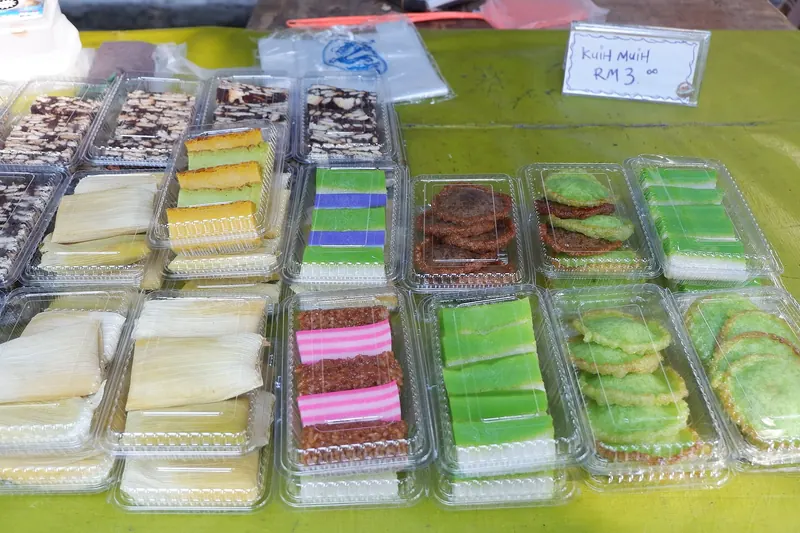
  • Sago-based Sabahan snacks

    Traditional snacks made from sago, a starch staple in parts of Borneo distinct from Peninsular Malaysian cooking.

    Where to try it Gaya Street Sunday Market and specialist local stalls.

  • Tropical fruit

    Borneo's markets sell excellent durian, rambutan and other tropical fruit, often varieties less common on the Peninsula.

    Where to try it Local markets throughout the city.

Accommodation

Where to stay in Kota Kinabalu

Kota Kinabalu's accommodation ranges from budget guesthouses to waterfront resorts, with the city centre the most convenient base.

  • The waterfront and city centre

    The most convenient base for island-hopping and evening sunsets.

    Best for: Walking distance to the jetty, markets and restaurants

  • Tanjung Aru

    A quieter, more resort-focused area with its own well-known sunset beach.

    Best for: Beach resorts a short drive from the centre

What a night costs

Guesthouse room
RM60–120 per night
Mid-range hotel
RM180–350 per night
Island trip with boat transfer
RM30–60 per person
Seafood dinner
RM35–70 per person

Transport

Getting to and around Kota Kinabalu

Kota Kinabalu is reached by air, requiring a separate domestic flight even from Peninsular Malaysia.

Getting there

  • Fly into Kota Kinabalu International Airport

    The only realistic option, with frequent flights from Kuala Lumpur and other Malaysian cities.

    The airport sits about 20 minutes from the city centre.

  • Connect onward within Sabah

    Domestic flights or long road transfers reach other parts of Sabah from here.

    Kota Kinabalu functions as the main hub for the wider region.

Getting around

The city centre is walkable, with boats needed for the islands and organised transport for Mount Kinabalu.

  • On foot

    Covers the waterfront, Gaya Street and the city centre comfortably.

    Most central sights sit within a compact area.

  • Boat from Jesselton Point

    The only way to reach Tunku Abdul Rahman Park's islands.

    Regular scheduled boats run throughout the day, no advance booking needed.

  • Ride-hailing apps or organised tours

    Useful for reaching Mount Kinabalu or other sights outside the city.

    A day tour is often the simplest way to visit Kinabalu Park without your own transport.

When to go

Best time to visit Kota Kinabalu

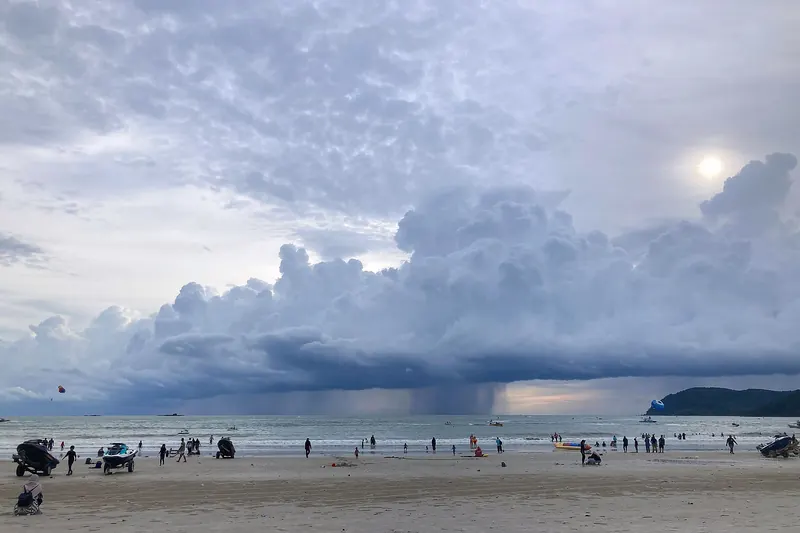
Kota Kinabalu sees a wetter stretch from November to February, generally clearer conditions the rest of the year.

  • March–October

    Best time

    Generally drier, with better visibility for Mount Kinabalu and calmer seas for island trips.

  • November–February

    Good

    The wetter stretch of the year, with more frequent rain and occasional rougher seas.

  • Year-round

    Good

    Island-hopping and city sightseeing remain workable most of the year, weather permitting.

Worth planning around: Nothing strongly, though November to February brings the highest chance of rain disrupting island plans.

Itinerary

Three days in Kota Kinabalu

Built around the city, nearby islands and a taste of Mount Kinabalu.

  1. Day1

    Arrival and the waterfront

    Settling into the city and its evening ritual.

    • Morning Arrive and check in to your hotel.
    • Afternoon Explore the Sabah State Mosque and city centre.
    • Evening Sunset and dinner at the waterfront night market.
  2. Day2

    Island-hopping

    A full day on the islands of Tunku Abdul Rahman Park.

    • Morning Boat to Sapi or Manukan Island.
    • Afternoon Snorkelling and beach time on a second island.
    • Evening Return to the city for dinner.
  3. Day3

    Mount Kinabalu day trip

    A day trip inland toward Southeast Asia's highest peak.

    • Morning Drive to Kinabalu Park.
    • Afternoon Walk the park's lower trails and botanical gardens.
    • Evening Return to Kota Kinabalu for a final dinner.

Travel tips

Kota Kinabalu travel tips

Practical notes that make a Kota Kinabalu visit noticeably smoother.

  • Book Mount Kinabalu summit permits many months ahead if climbing is part of your plan.
  • Head to the jetty early for island trips — boats and good island spots fill up by mid-morning.
  • Bring reef-safe sunscreen and your own snorkel gear if you have it.
  • Check the Gaya Street market's Sunday-only schedule before planning around it.
  • Treat Kota Kinabalu as a separate trip from Peninsular Malaysia, not a quick add-on.
  • Dress modestly when visiting the Sabah State Mosque.

FAQ

Kota Kinabalu: frequently asked questions

How many days do you need in Kota Kinabalu?

Three to four days covers the city, island-hopping and a Mount Kinabalu day trip comfortably.

Do you need to fly to Kota Kinabalu from Kuala Lumpur?

Yes — Sabah is on Borneo, physically separate from the Peninsula, so a domestic flight is required.

Do you need to climb Mount Kinabalu to enjoy Kota Kinabalu?

No, not at all — the city, islands and lower park trails are worthwhile even without attempting the summit.

How do you reach the islands from Kota Kinabalu?

By a short boat ride from the Jesselton Point jetty, taking about 15-20 minutes to the nearest islands.

Is Kota Kinabalu expensive?

No, generally affordable, though flights connecting it to Peninsular Malaysia add to an overall trip's cost.

Is Kota Kinabalu safe?

Yes, generally — a safe, relaxed city, with normal precautions around belongings in markets and on boats.

Read next

Related travel articles

Practical

Packing by Season and Trip Type

Most packing advice is a list of things. This is the opposite: the small number of decisions that determine whether your luggage helps or hinders, organised by the kind of trip you are actually taking.

Where to go

Beyond the Big Names: Places Worth the Detour

The most visited place in a country is rarely its best, and it is almost never its best value. This is a method for finding the destinations that do not make the postcards — and a set of examples from five of the 50 countries on this site.

Advertisement