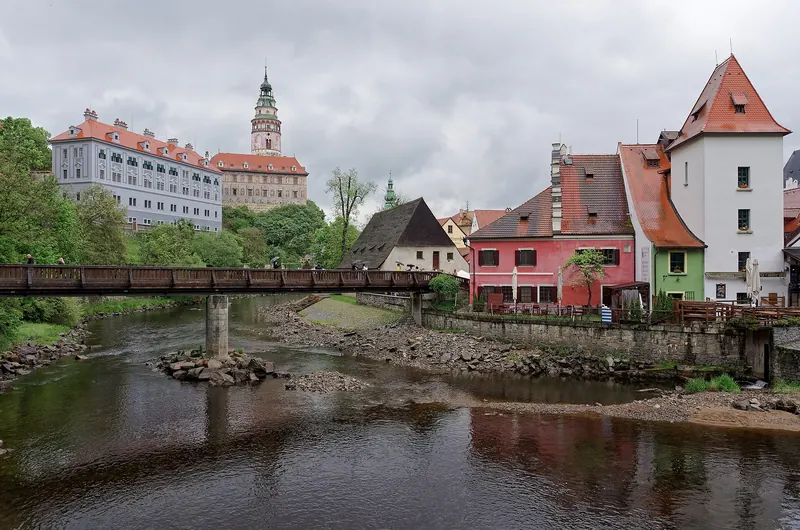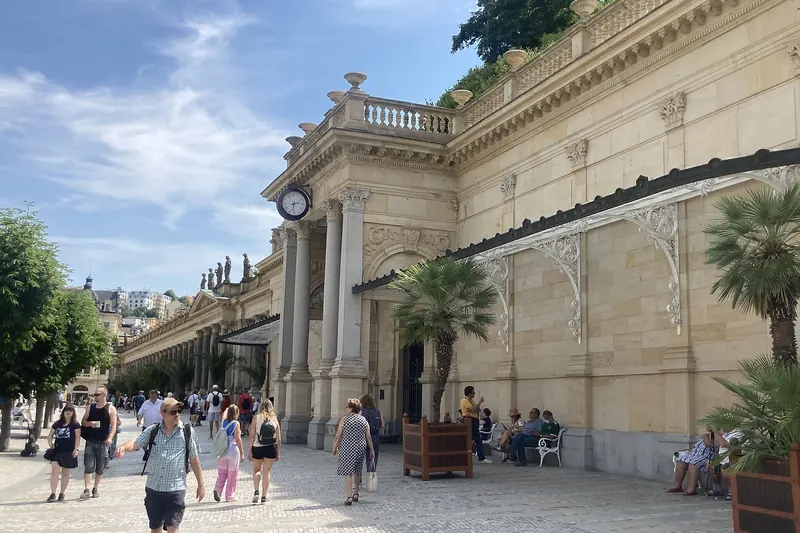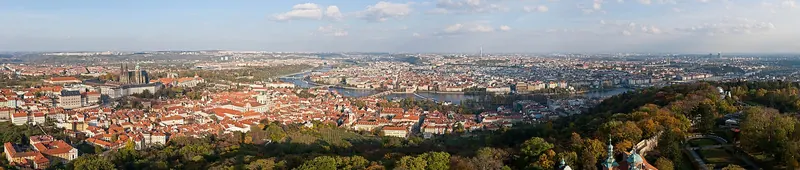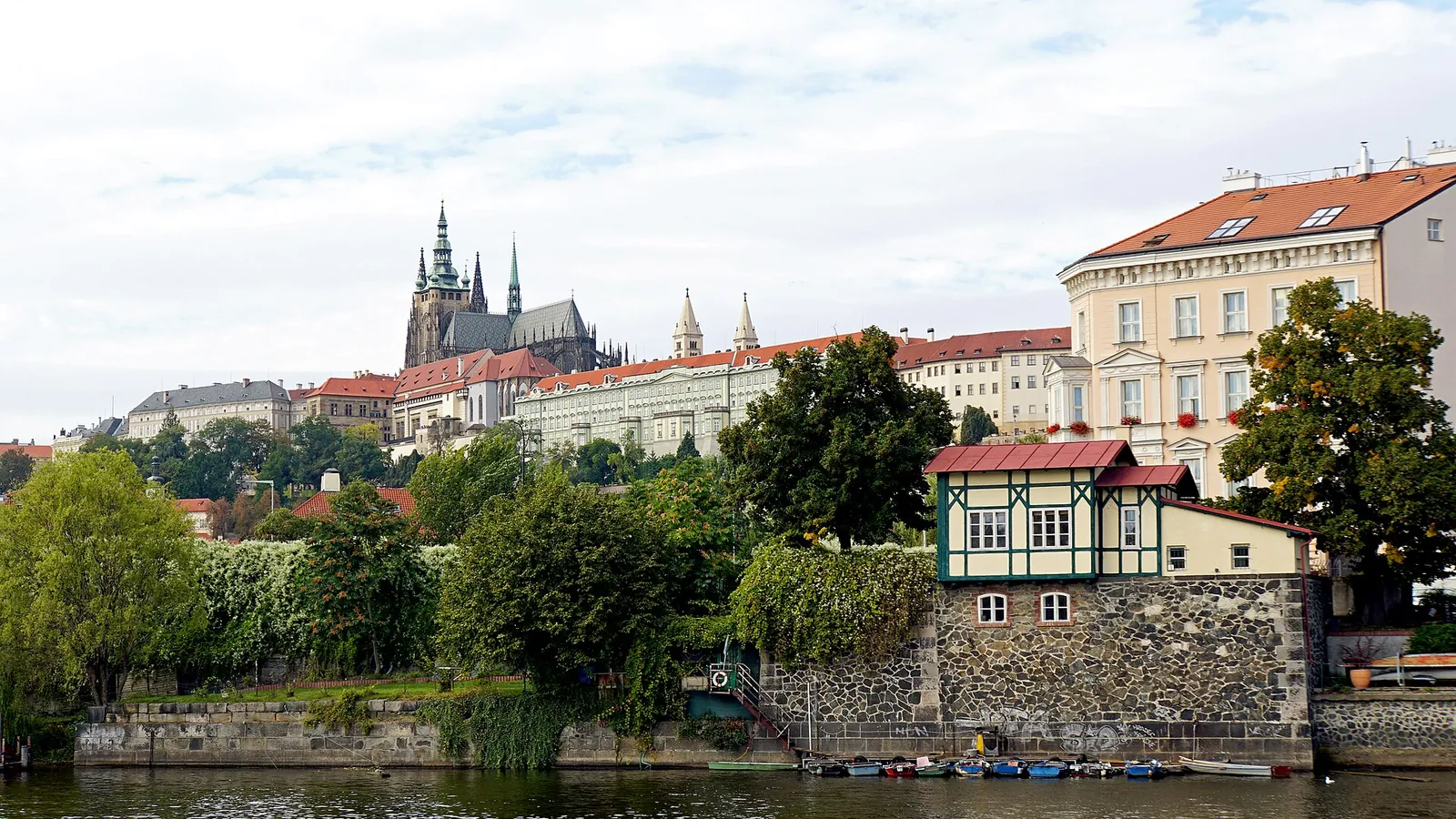
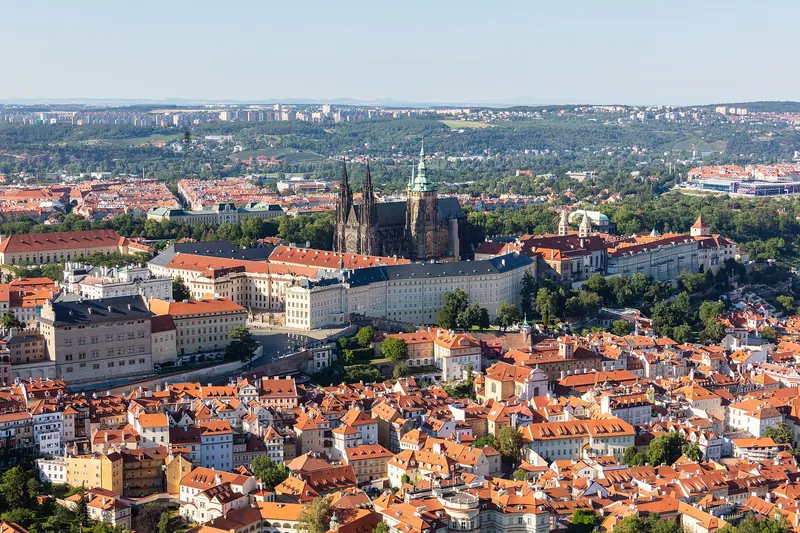
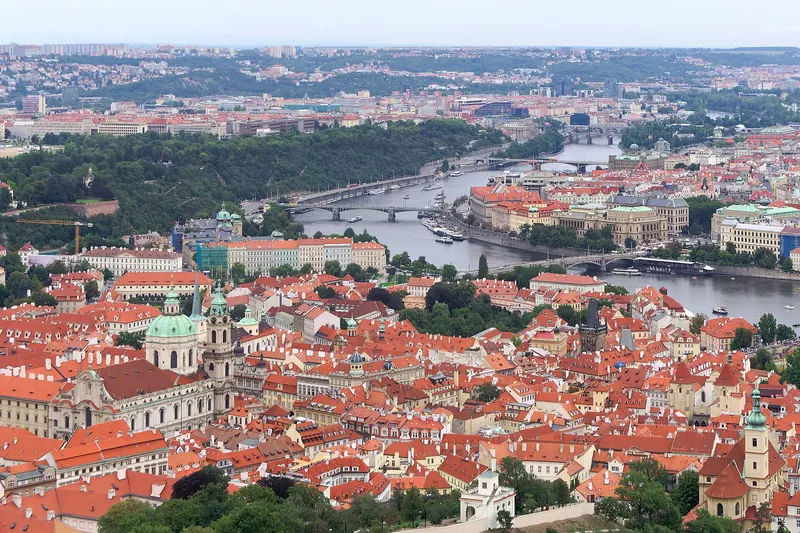
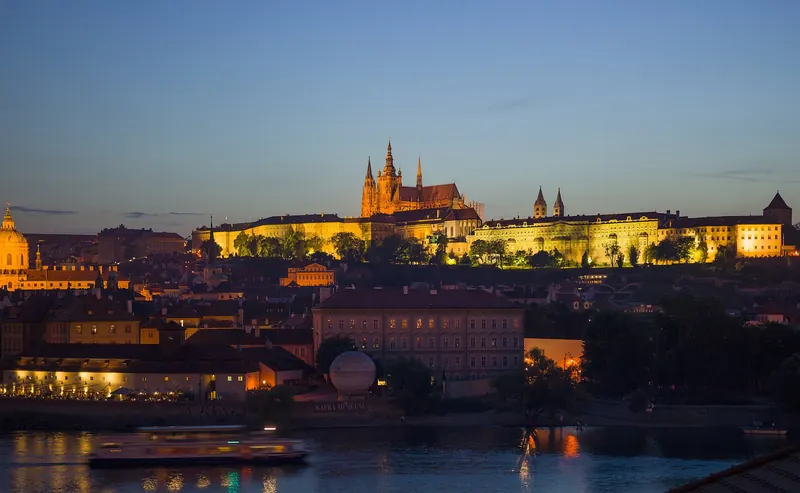
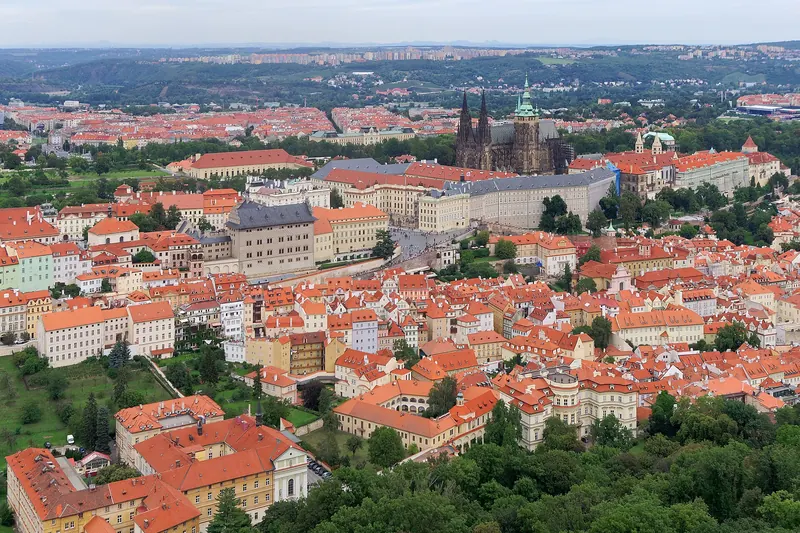
Prague's skyline along the Vltava River, with St Vitus Cathedral rising above Prague Castle

Bohemia · Czech Republic

Prague

Central Europe's best-preserved historic capital, a hundred spires rising above the Vltava with a beer culture woven into everyday life.

  • Best time May, June and September for mild weather and manageable crowds
  • Stay 3-4 days
  • Good for History, architecture, nightlife, beer culture

Photo: Dennis G. Jarvis · CC BY-SA 2.0

Welcome to Prague

Prague is one of Europe's most beautiful and best-preserved capitals, its medieval, gothic and baroque architecture largely untouched by the wars that devastated so many other cities on the continent.

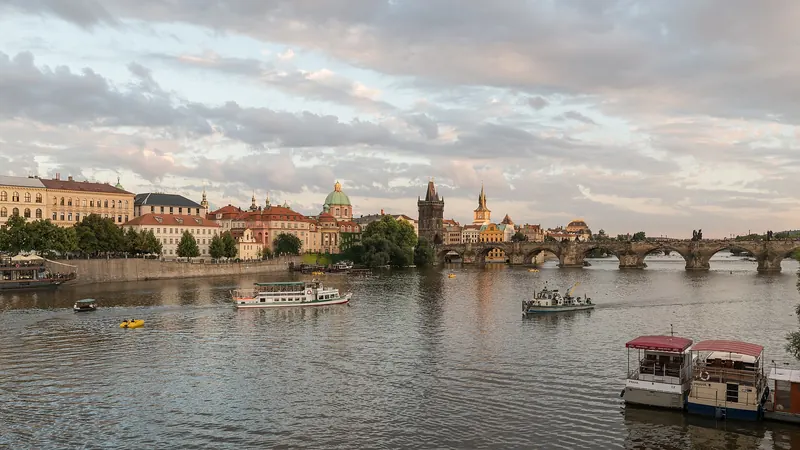
Its layout rewards wandering on foot — Prague Castle looms above the Vltava, Charles Bridge connects the old town to the castle district, and the whole historic core fits within an easily walkable area.

It's also a city built for beer, with pubs on nearly every corner pouring some of the best, cheapest pilsner anywhere in the world.

  • Capital City
  • Major City
  • Culture Arts
  • Historic Site

Why visit

Why visit Prague?

Prague's case rests on an intact historic core paired with a living, everyday beer and pub culture.

  • Prague's historic centre is astonishingly intact

    Spared the wartime bombing that levelled so many other European capitals.

  • Prague Castle is the largest ancient castle complex in the world

    A thousand-year-old seat of power still central to Czech political life today.

  • The beer culture here is unmatched

    World-class, inexpensive pilsner served in pubs on almost every corner.

  • It's one of Europe's most walkable capitals

    Old Town, Malá Strana and the castle district all connect easily on foot.

  • It works well as a springboard for Bohemia

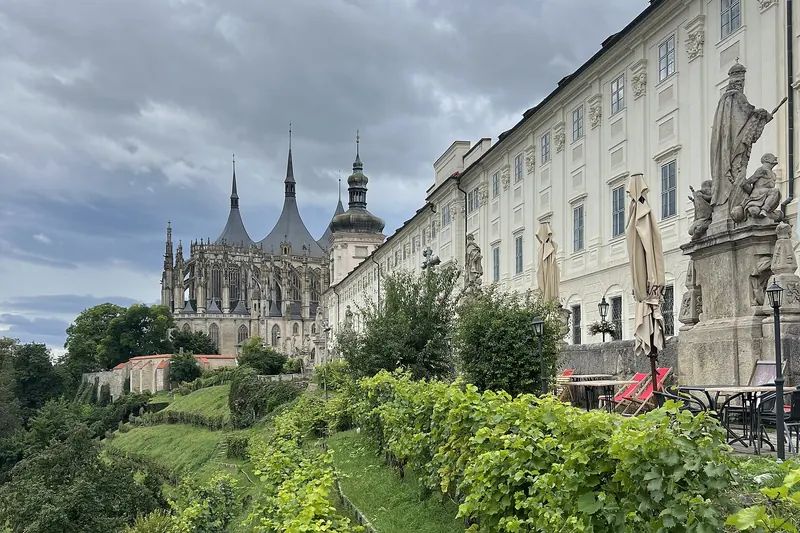
    Day trips to Kutná Hora and Český Krumlov are both easy from here.

Main attractions

Top things to see in Prague

Prague's essential sights are concentrated within an easily walkable historic core.

  1. Prague Castle overlooking the city

    Prague Castle

    The largest ancient castle complex in the world, a thousand-year-old seat of Czech power above the Vltava.

    Tip Arrive right at opening to see the changing of the guard without the midday crowds.

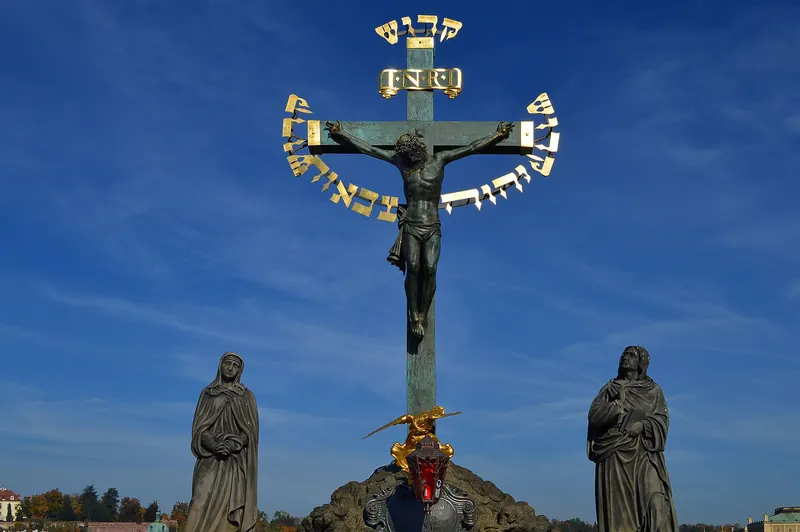
  2. Charles Bridge crossing the Vltava River in Prague

    Charles Bridge

    A 14th-century stone bridge lined with baroque statues, the city's most iconic crossing.

    Tip Cross at sunrise for photos without the crowds and street vendors that fill it by mid-morning.

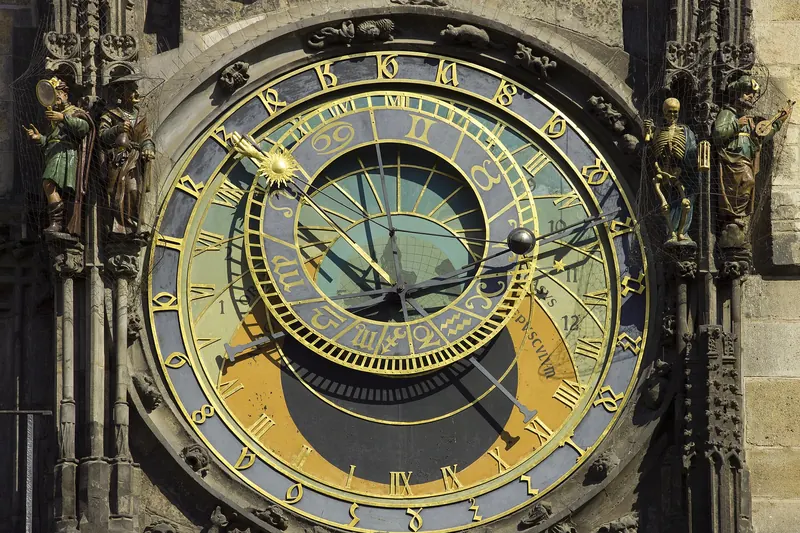
  3. The Astronomical Clock on Old Town Square in Prague

    Old Town Square and the Astronomical Clock

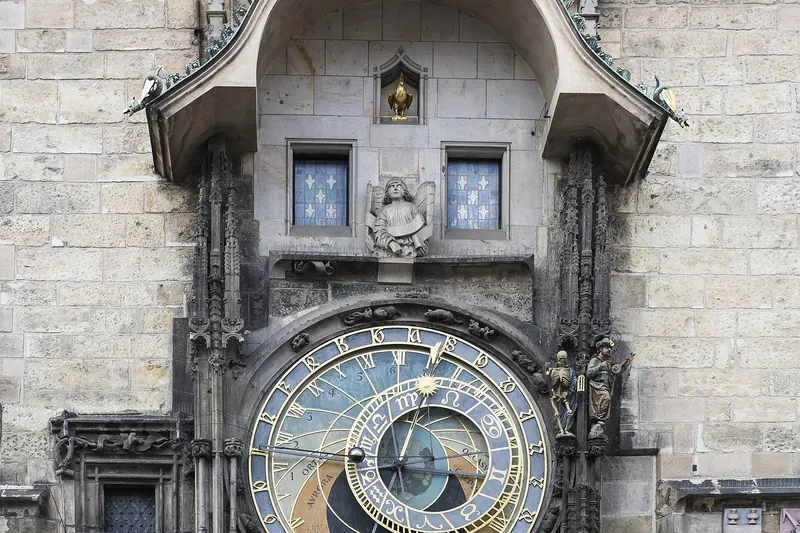
    The city's medieval heart, a working 15th-century astronomical clock still drawing crowds every hour.

    Tip Climb the Old Town Hall tower for a view over the square itself, rather than just the clock.

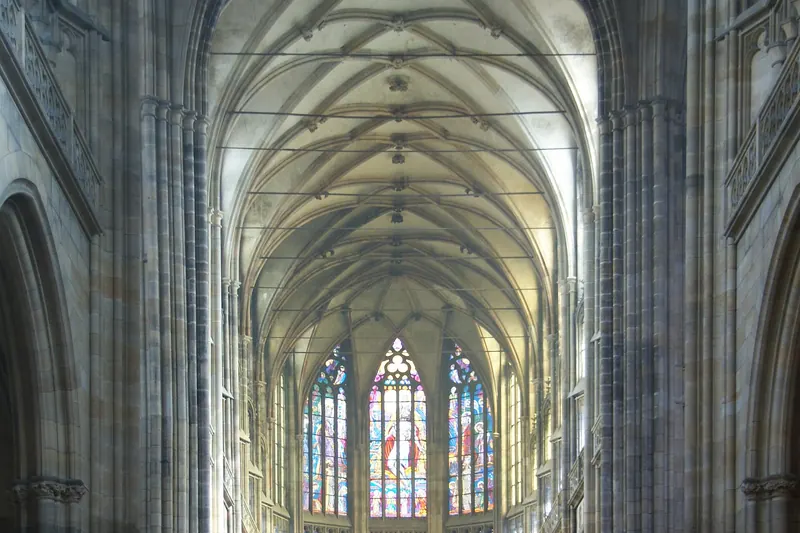
  4. The Gothic interior of St Vitus Cathedral in Prague

    St Vitus Cathedral

    A soaring Gothic cathedral within the castle complex, its stained glass and vaulted ceilings centuries in the making.

    Tip Look for the Art Nouveau stained glass window by Alfons Mucha in the third chapel.

  5. The Malá Strana district of Prague below the castle

    Malá Strana

    Prague's best-preserved baroque district, a maze of cobbled lanes, palace gardens and quiet squares below the castle.

    Tip Get lost on purpose here — the quieter side streets are the district's real reward.

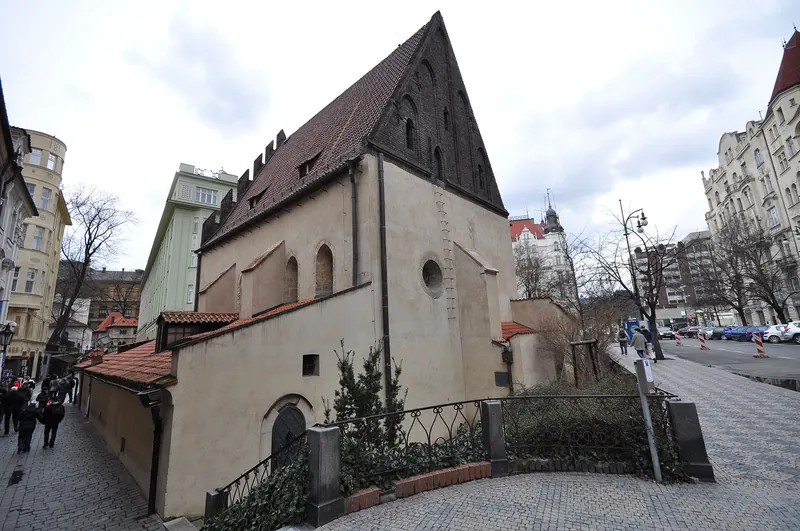
  6. Historic synagogue buildings in Prague's Josefov district

    The Jewish Quarter (Josefov)

    One of Europe's best-preserved former Jewish quarters, its synagogues and old cemetery a moving, essential visit.

    Tip Buy a combined ticket covering several synagogues and the Old Jewish Cemetery together.

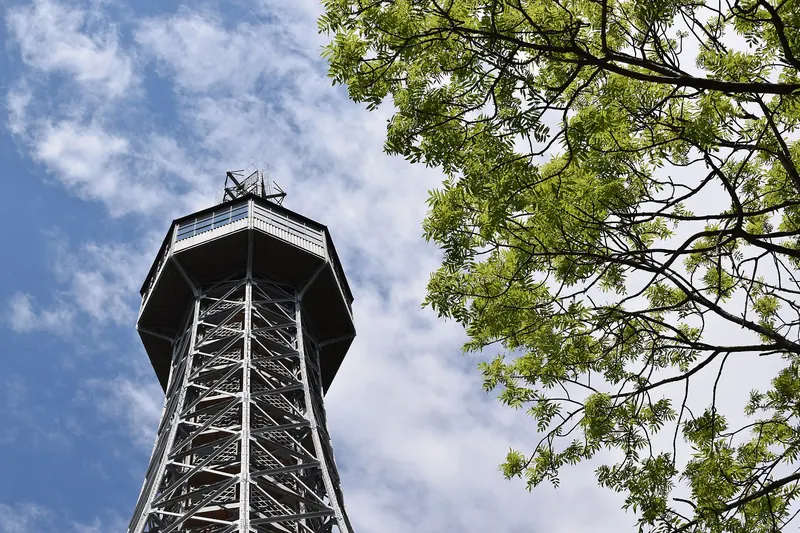
  7. The Petřín Lookout Tower above Prague

    Petřín Hill and Lookout Tower

    A green escape from the crowds, a hilltop park topped by a miniature Eiffel-style lookout tower.

    Tip Ride the funicular up and walk back down through the orchards.

Things to do

Best things to do in Prague

Prague rewards unhurried wandering, though a few essential experiences anchor most visits.

  1. Charles Bridge at sunrise in Prague

    Cross Charles Bridge at sunrise

    An essential Prague ritual, having the bridge's statues almost to yourself before the crowds arrive.

    Tip Bring a coffee to go and continue on toward the castle while the light is still soft.

  2. Prague Castle at dusk

    Tour Prague Castle's grounds

    An essential half-day, taking in St Vitus Cathedral, the Old Royal Palace and Golden Lane.

    Tip Buy your ticket online in advance to skip the entrance queue.

  3. The face of Prague's Astronomical Clock

    Watch the Astronomical Clock strike the hour

    A medieval spectacle, apostle figures processing past two small windows as the clock strikes.

    Tip Temper expectations — the show itself is brief, the clock's mechanism is the real marvel.

  4. A terraced palace garden in Malá Strana, Prague

    Wander Malá Strana's palace gardens

    A peaceful escape, a string of baroque terraced gardens climbing the hill below the castle.

    Tip Several gardens connect by internal stairways — a single ticket often covers more than one.

  5. The view of Prague Castle from Petřín Hill

    Climb Petřín Hill for the view

    A rewarding walk or funicular ride, with one of the city's best panoramic views from the top.

    Tip Visit at golden hour, when the light over the castle and river is at its best.

  6. Exploring Prague's historic Jewish Quarter

    Explore the Jewish Quarter's synagogues

    A moving, essential few hours, tracing centuries of Prague's Jewish history through its synagogues and cemetery.

    Tip Allow at least two to three hours to do the quarter justice.

Local food

What to eat in Prague

Prague's food means hearty Czech classics best paired with a proper pilsner.

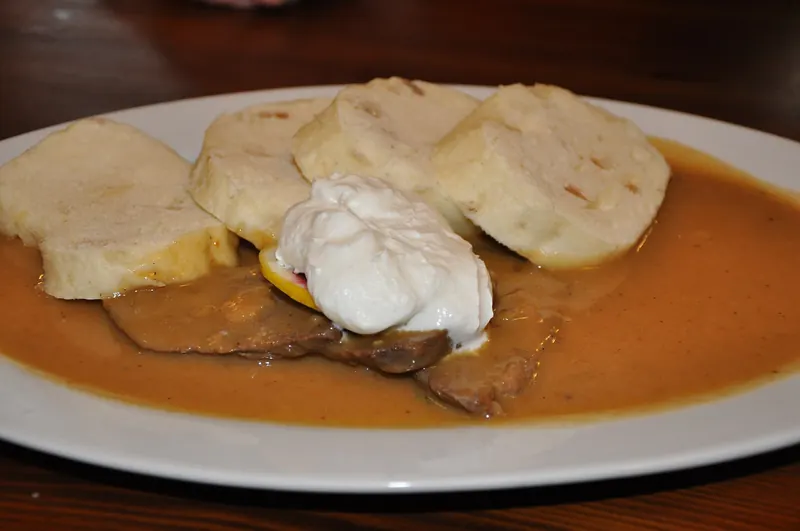
  • Svíčková, marinated beef in cream sauce with bread dumplings

    Svíčková (marinated beef in cream sauce)

    The dish most Czechs would call their national favourite, tender beef with cream sauce and dumplings.

    Where to try it Traditional restaurants throughout the city.

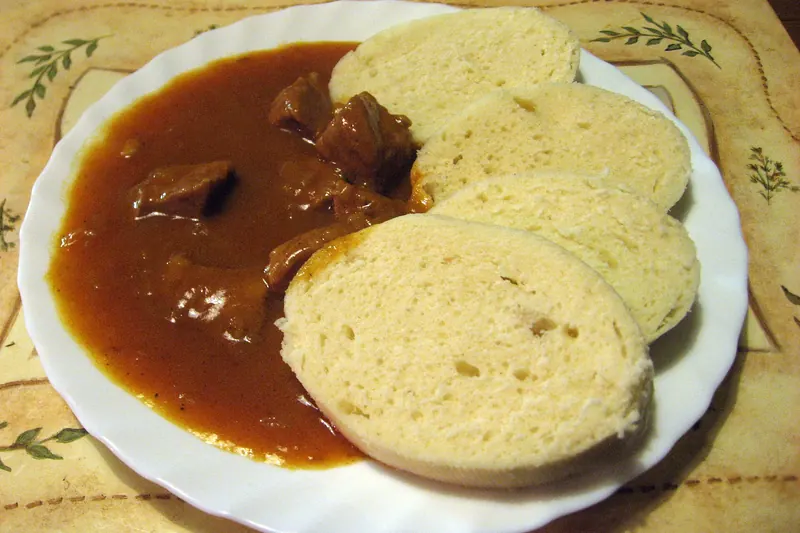
  • Czech goulash served with bread dumplings

    Guláš with dumplings

    A pub staple, rich paprika-spiced beef stew mopped up with sliced bread dumplings.

    Where to try it Traditional pubs throughout Prague.

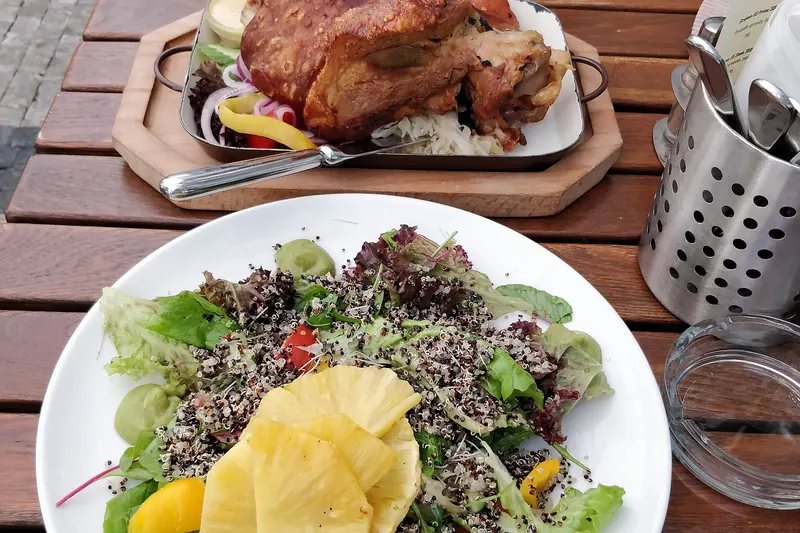
  • Roast pork knee, a hearty Czech pub dish

    Vepřové koleno (roast pork knee)

    A hearty, shareable pub classic, slow-roasted pork knee with crackling skin and mustard.

    Where to try it Traditional beer halls throughout the city.

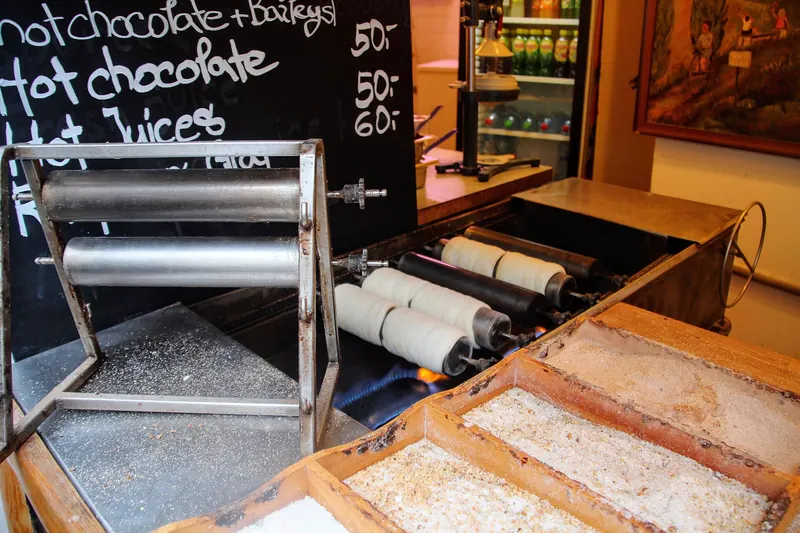
  • Trdelník, a rolled pastry cooked over an open flame

    Trdelník (chimney cake)

    More a Prague street tradition than an old family recipe, a sugar-and-cinnamon pastry cooked on a spit.

    Where to try it Street stalls throughout the Old Town and near Charles Bridge.

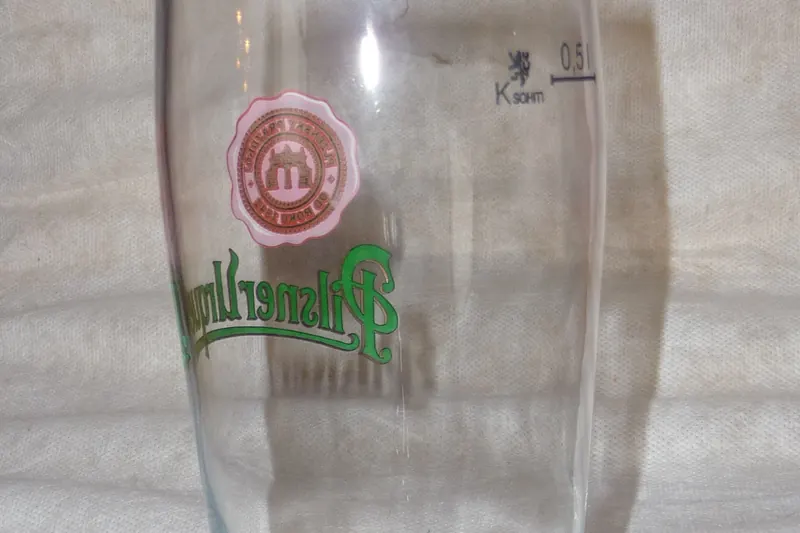
  • A glass of Czech pilsner beer

    Czech beer (pivo)

    Essential, some of the best and cheapest beer anywhere, poured properly in pubs across the city.

    Where to try it Pubs on nearly every street in the city centre.

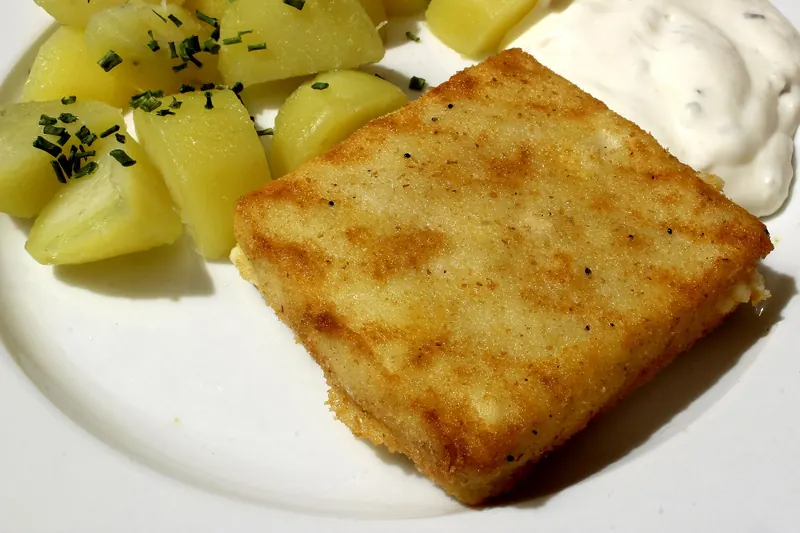
  • Smažený sýr, breaded fried cheese with tartar sauce and potatoes

    Smažený sýr (fried cheese)

    A beloved pub classic, breaded and deep-fried cheese served with tartar sauce and fries.

    Where to try it Traditional pubs throughout Prague.

Accommodation

Where to stay in Prague

Prague offers accommodation for every budget, from hostels to grand historic hotels.

  • Old Town and Josefov

    The most convenient base, though also the busiest and priciest part of the city.

    Best for: Being central and within walking distance of every major sight

  • Malá Strana and the castle district

    Cobbled lanes and fewer crowds, still an easy walk across the river to Old Town.

    Best for: A quieter, more atmospheric stay close to the castle

What a night costs

Budget hostel
Kč500–900 per night
Mid-range hotel
Kč2,500–4,500 per night
Half-litre of Czech beer
About Kč50–90 in a proper pub
Dinner at a traditional restaurant
About Kč250–450 per person

Transport

Getting to and around Prague

Prague is well connected by air, rail and road to the rest of Europe.

Getting there

  • Flight into Václav Havel Airport Prague

    The standard way in for most international visitors.

    A direct bus or taxi reaches the city centre in about 30–45 minutes.

  • Train from Vienna, Berlin or Budapest

    A comfortable, scenic overland option from several neighbouring capitals.

    Journey times range from about four to seven hours depending on the route.

  • Long-distance bus

    A budget-friendly option from across Central Europe.

    RegioJet and FlixBus both run frequent, comfortable international routes.

Getting around

Prague's excellent public transport makes a car entirely unnecessary.

  • Metro and trams

    Fast and frequent, covering the whole city on one unified ticket.

    Trams are often the more scenic way to cross the city centre.

  • On foot

    The best way to see the historic core itself.

    Old Town, Malá Strana and the castle district all connect easily on foot.

  • Taxis and rideshare apps

    Useful late at night or for luggage.

    Use a rideshare app or a registered taxi rank rather than hailing on the street.

When to go

Best time to visit Prague

Prague is a year-round destination, though shoulder-season months offer the best overall balance.

  • Late spring (May–June)

    Best time

    Mild temperatures and blooming parks, before peak summer crowds arrive.

  • Summer (July–August)

    Good

    Warm and lively, though the Old Town and castle get crowded.

  • Autumn (September–October)

    Best time

    Golden light over the rooftops, with noticeably thinner crowds than summer.

  • Winter (November–February)

    Good

    Atmospheric around the December Christmas markets, though short days and cold call for warm layers.

Worth planning around: Nothing strongly — Prague works year-round, though August's crowds are worth planning around.

Itinerary

Three days in Prague

Built around the castle district, the Old Town, and a slower day exploring Malá Strana and Josefov.

  1. Day1

    Old Town and Charles Bridge

    The historic core on foot.

    • Morning Old Town Square and the Astronomical Clock.
    • Afternoon Cross Charles Bridge into Malá Strana.
    • Evening Dinner near the river, with the castle lit up after dark.
  2. Day2

    Prague Castle

    A full day exploring the castle complex.

    • Morning Prague Castle's grounds and the changing of the guard.
    • Afternoon St Vitus Cathedral and the Old Royal Palace.
    • Evening A pub dinner in Malá Strana.
  3. Day3

    Josefov and Petřín Hill

    The Jewish Quarter and a hilltop view.

    • Morning The synagogues and cemetery of Josefov.
    • Afternoon The funicular up Petřín Hill for the view.
    • Evening A final dinner back in the Old Town.

Travel tips

Prague travel tips

Practical notes that make a Prague visit noticeably smoother.

  • Buy a multi-day public transport pass if you're staying more than a couple of days.
  • Book Prague Castle's interiors online ahead to skip the entrance queue.
  • Carry some cash for small pubs and markets, even though cards are widely accepted.
  • Avoid restaurants with staff actively calling people in near major squares — check prices first.
  • Validate any paper transport ticket before boarding — inspectors do check.
  • Cross Charles Bridge at sunrise or late evening to avoid the worst of the crowds.

FAQ

Prague: frequently asked questions

How many days do you need in Prague?

Three to four days covers the essential sights at a comfortable pace, with time for a day trip.

Is Prague expensive?

More affordable than Western European capitals overall, though prices in the most touristy central areas have risen close to Western levels.

Is Prague Castle worth the visit?

Yes — it's the largest ancient castle complex in the world, and St Vitus Cathedral alone justifies the trip up the hill.

Do you need to book Charles Bridge or Old Town Square ahead?

No, not — they're open public spaces, though visiting early morning avoids the worst crowds.

Is Prague walkable?

Yes, one of Europe's most walkable capitals — Old Town, Malá Strana and the castle district all connect easily on foot.

Can you day-trip from Prague?

Yes, easily — Kutná Hora and Český Krumlov are both popular, straightforward day trips by train or organised tour.

Read next

Related travel articles

Planning

Planning Your First Trip to Europe

Most first European trips go wrong in the same three ways: too many cities, too little time in each, and a route shaped by a cheap flight rather than by geography. Here is how to avoid all three.

Transport

Getting Around Europe by Train

European rail is excellent and confusing — six national operators, three completely different pricing models, and a rail pass that is either a bargain or a waste depending on where you are going. Here is how to work out which.

Advertisement